
Introduction
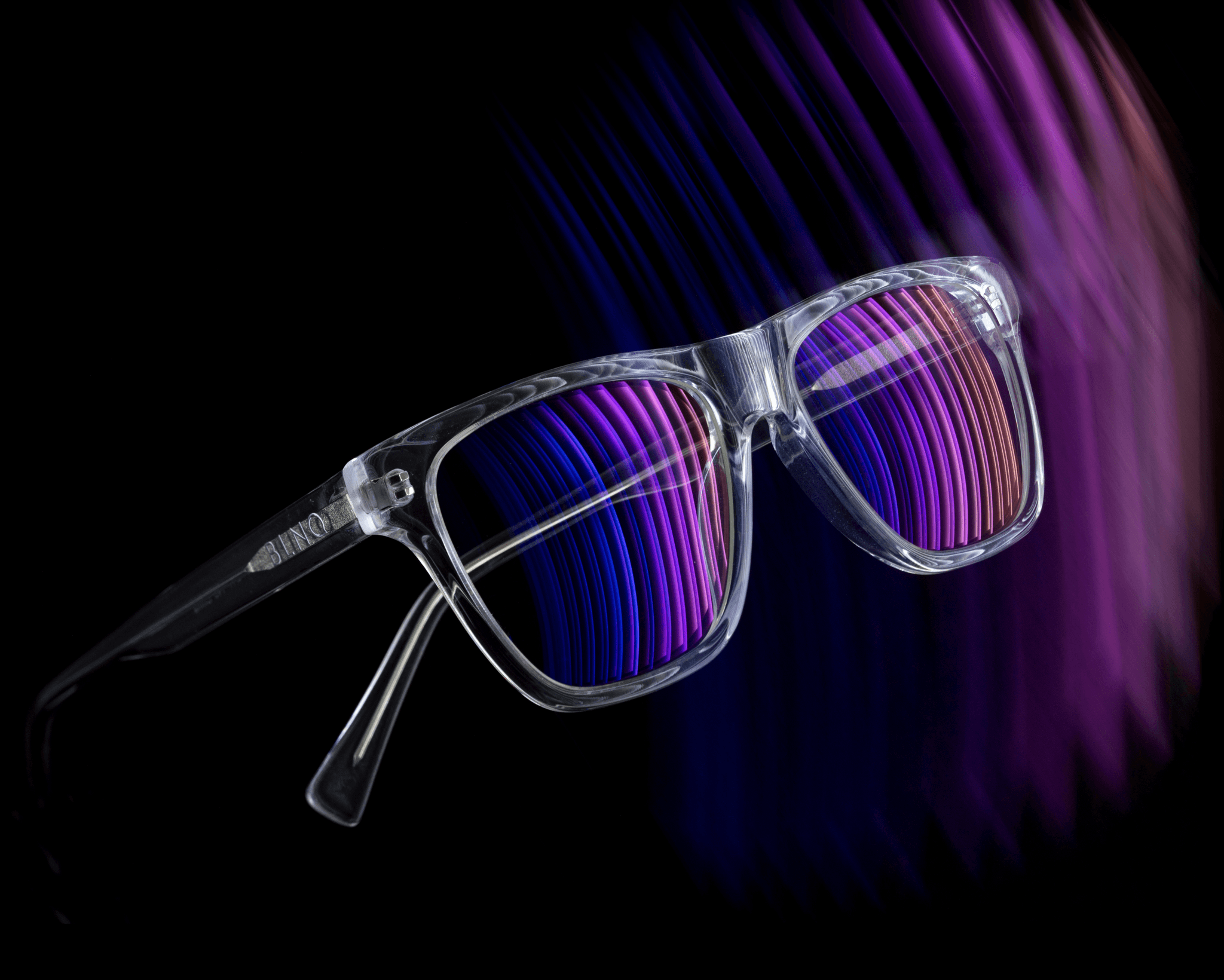
In the battle of acetate vs nylon, each material brings its own unique advantages to the table, making it essential for consumers to understand what they’re getting when selecting eyeglasses and frames. After all, your frames deserve more than just a cursory glance—they're an extension of your personality.
Eyeglass Materials Matter
The choice of eyeglass materials can impact everything from comfort to durability, not to mention aesthetics. Acetate glasses are renowned for their vibrant colors and customizable designs, while nylon offers exceptional flexibility and resilience. Understanding these distinctions is crucial for anyone looking to invest in quality eyewear that meets their lifestyle needs.
The Clash of Acetate vs Nylon
In the world of eyewear acetate reigns supreme with its luxurious feel and rich color options, but nylon is not one to be overlooked; its practical benefits often win over those seeking longevity in their frames. This clash between acetate spectacles and nylon frames highlights a fascinating dichotomy in the market—one that caters to both fashion enthusiasts and those prioritizing functionality. As you navigate this decision, consider how each material aligns with your personal style and daily activities.
Why Your Frames Deserve Attention
Your eyeglasses are more than just a tool for vision correction; they are a statement piece that reflects who you are. Investing time into understanding the differences between acetate eyeglasses and nylon eyewear can lead you toward a pair that not only looks great but feels great too. So let's dive deeper into this material showdown as we explore how each option stands up against the other in various aspects like comfort, style, and sustainability.
Understanding Acetate Material
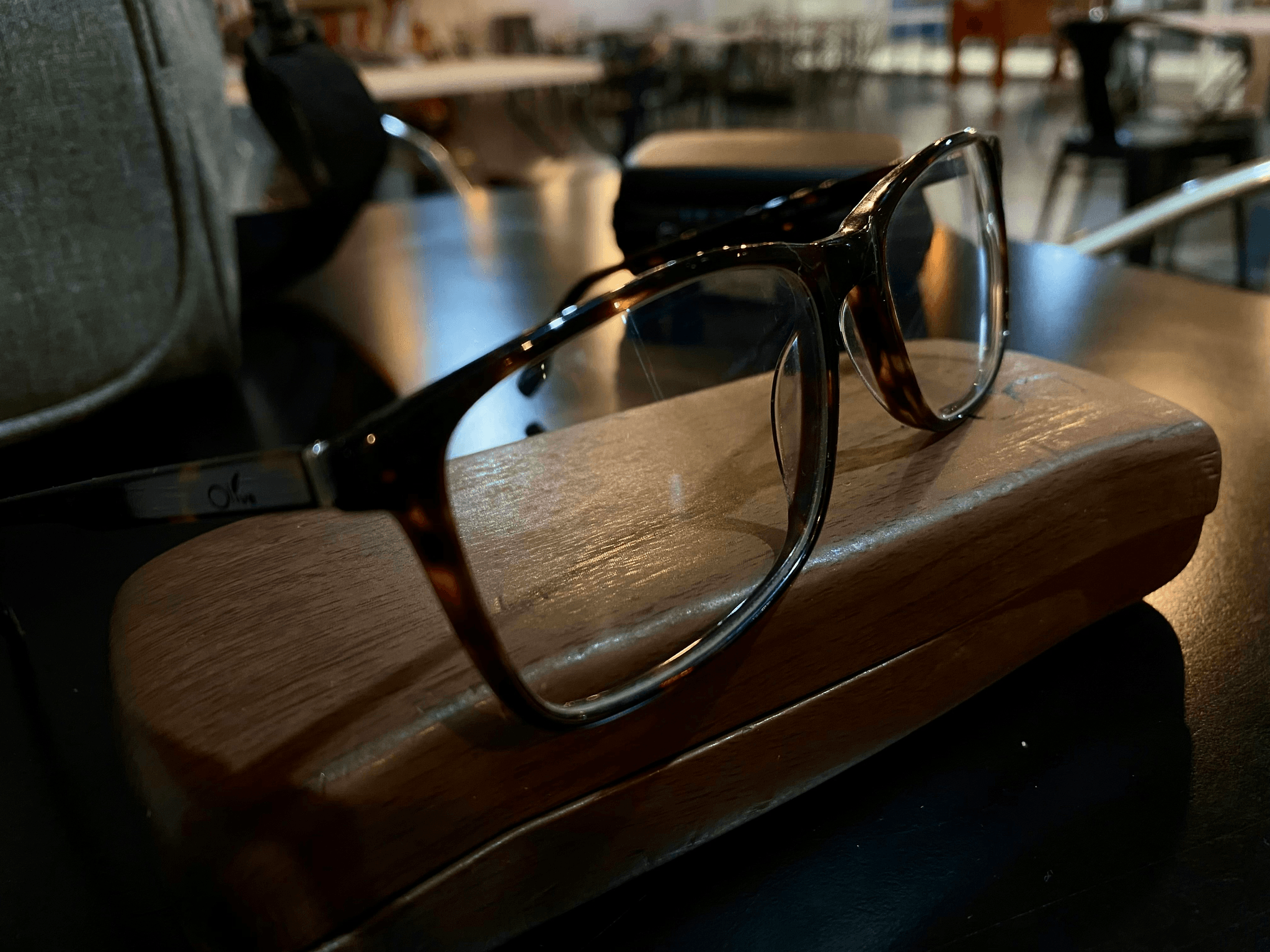
Acetate has emerged as a frontrunner in the eyewear industry, captivating both designers and consumers alike. But what makes acetate so special compared to its rival, nylon?
What Makes Acetate Special
Acetate is a plant-based plastic derived from cellulose, which gives it a unique blend of flexibility and durability. This material can be easily molded into various shapes and styles, allowing for intricate designs that are not only functional but also fashionable. With its lightweight nature and hypoallergenic properties, acetate glasses are a comfortable choice for all-day wear.
Additionally, acetate's ability to hold vibrant colors and patterns makes it a favorite among eyewear designers looking to create statement pieces. The rich hues of acetate spectacles can transform an ordinary pair of eyeglasses into an eye-catching accessory that complements any outfit. In the ongoing debate of acetate vs nylon, this aesthetic appeal sets acetate apart in the realm of eyeglass frames.
Popularity in Eyeglass Frames
The popularity of acetate eyeglasses has skyrocketed over recent years, thanks in part to their versatility and style options. Many consumers appreciate how these eyewear frames can seamlessly transition from casual to formal settings without missing a beat. As fashion trends evolve, more people are gravitating towards acetate glasses for their chic designs that cater to diverse tastes.
Moreover, brands have capitalized on this trend by launching exclusive collections featuring unique patterns and color combinations made with high-quality acetate. This surge in demand has positioned acetate spectacles as a staple in many wardrobes across the globe. When comparing acetate vs nylon, it's clear that the former holds an undeniable edge when it comes to style variety.
Aisen Optical: Leading the Way in Acetate Designs
Aisen Optical has carved out a niche for itself by focusing on innovative designs crafted from premium eyewear acetate materials. Their commitment to quality ensures that each pair of acetates glasses not only looks stunning but also stands up against daily wear and tear. By blending modern aesthetics with traditional craftsmanship, Aisen Optical is setting new standards in the world of eyeglasses.
The brand's extensive collection showcases everything from bold statement pieces to subtle classics—there’s something for everyone! As they continue pushing boundaries within the industry, Aisen Optical exemplifies how high-quality materials like acetate can elevate eyewear beyond mere functionality into realms of art and expression. In discussions about eyeglass frames today—especially when weighing options like acetate vs nylon—Aisen’s influence cannot be overlooked.
The Versatility of Nylon

Unlike traditional materials, nylon offers a lightweight feel that is perfect for those who wear their eyewear all day long. Its ability to maintain shape and resist wear and tear makes it an excellent choice for both fashion enthusiasts and practical users alike.
Benefits of Nylon Eyewear
One of the primary benefits of nylon eyewear is its incredible flexibility. This means that nylon frames can bend without breaking, making them ideal for active lifestyles or those prone to dropping their glasses. Additionally, nylon is resistant to heat and chemicals, ensuring your frames remain intact even in less-than-ideal conditions—perfect for anyone who enjoys outdoor adventures or just wants peace of mind while wearing their acetate spectacles.
Moreover, nylon eyeglasses are often hypoallergenic, making them suitable for individuals with sensitive skin. This added comfort factor is crucial when choosing between acetate vs nylon options; after all, no one wants irritation from their eyewear! With vibrant color options and modern designs available in nylon frames, you can express your personal style without sacrificing comfort.
Durability and Flexibility
Durability is where nylon truly shines in the world of eyewear frames. Unlike acetate glasses that can be prone to cracking or breaking under pressure, nylon's robust nature allows it to withstand daily wear while still looking fabulous. Flexibility also plays a significant role here; not only does it contribute to longevity but also ensures a snug fit without pinching or discomfort.
For those who lead an active lifestyle—whether you're hiking up mountains or hitting the gym—nylon eyeglasses provide the durability needed for high energy activities. This resilience makes them an excellent choice compared to other materials like acetate eyeglasses which may need more care in handling. When you invest in durable eyewear made from nylon, you're investing in long-lasting quality that won't let you down.
Insight into Nylon Frame Innovations
The world of eyewear is constantly evolving, with innovations enhancing both style and functionality—and nylon frames are no exception! Recent advancements have led to lightweight yet sturdy designs that incorporate trendy elements such as bold colors and intricate patterns while maintaining their durability. Many brands are now experimenting with eco-friendly production methods for these innovative frames too.
Nylon frame innovations also include features like adjustable temples and nose pads designed specifically for optimal comfort—a game changer when comparing acetate vs nylon options! As manufacturers continue pushing boundaries with technology-driven designs, we can expect even more exciting developments in how we perceive eyeglass glasses today. So whether you're looking for stylish acetate spectacles or robust nylon options, there's never been a better time to explore what's out there!
Comfort and Fit: Acetate vs Nylon
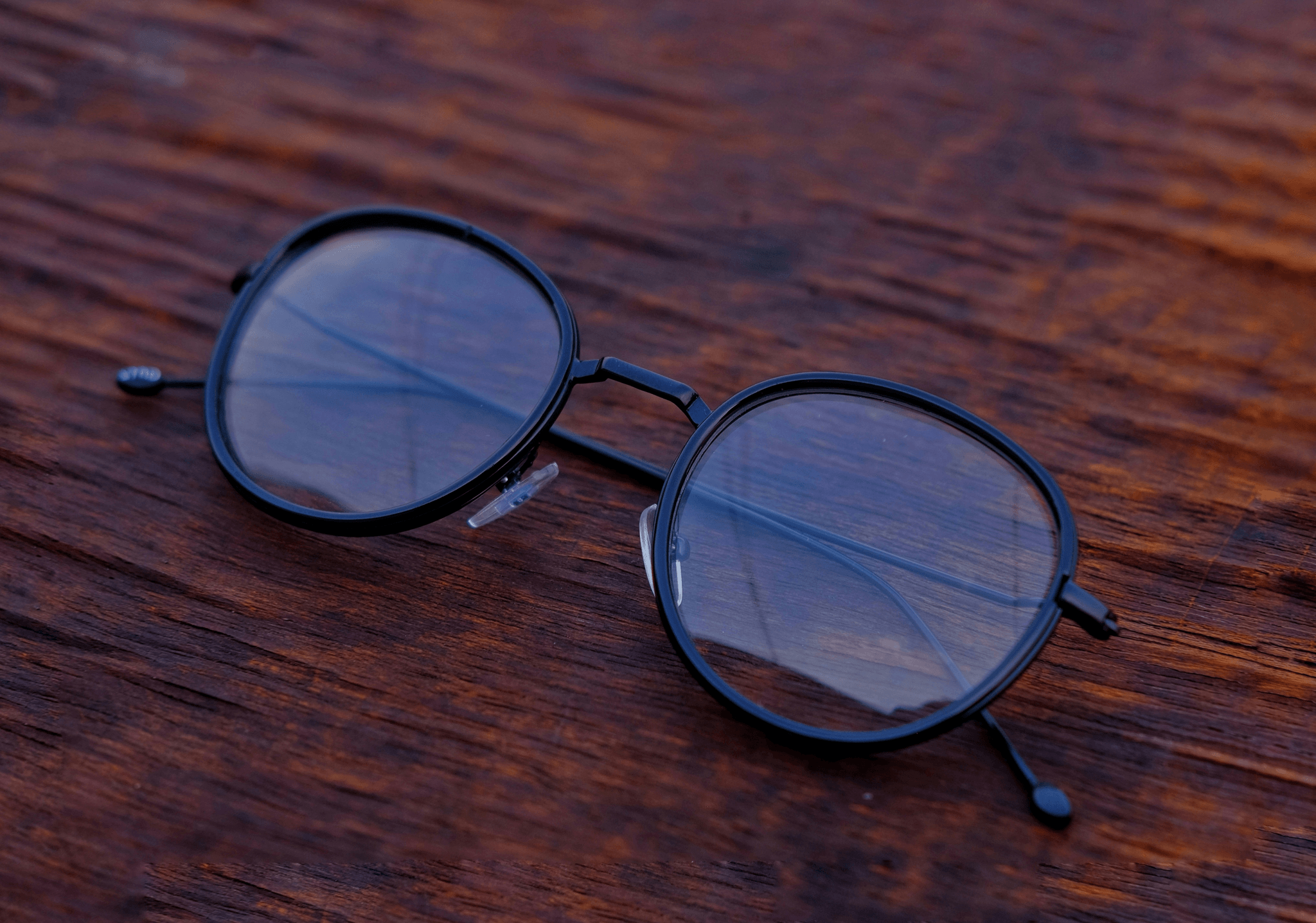
Each material brings its own unique feel to the table, influencing not just how they look, but how they wear throughout the day. Whether you're donning acetate glasses or opting for nylon eyewear frames, understanding these differences can make all the difference in your daily experience.
How Each Material Feels
Acetate eyeglasses are often lauded for their luxurious feel; they have a smooth texture that is gentle against the skin. The lightweight nature of acetate spectacles allows them to sit comfortably on your nose without causing irritation, making them ideal for long-term wear. On the flip side, nylon frames tend to be more flexible and resilient, providing a snug fit that adapts well to various head shapes—perfect for those who lead an active lifestyle.
Adjustability and Personalization
One of the significant advantages of acetate eyewear is its adjustability; opticians can easily mold and shape these frames for a perfect fit tailored just for you. This level of personalization means that your acetate eyeglasses can be adjusted as needed to ensure maximum comfort throughout their lifespan. Meanwhile, nylon frames often come with built-in flexibility features that allow them to bend slightly without breaking, offering another layer of customization without needing professional adjustments.
Real User Experiences with Acetate Glasses
Users rave about their experiences with acetate glasses, frequently mentioning how comfortable they feel even after hours of wear—no slipping or pinching here! Many have shared stories of choosing acetate spectacles not just for style but also for their ability to stay put during daily activities like working at a desk or enjoying an afternoon walk. While some may prefer the durability and flexibility offered by nylon eyewear frames, it’s clear that those who choose acetate appreciate its balance between elegance and comfort in everyday life.
Style and Aesthetics

The choice between acetate vs nylon can significantly influence not only the look but also the personality of your eyewear. With a plethora of color options and patterns available, finding the perfect pair of acetate glasses or nylon frames can be an exciting venture into personal expression.
Color Options and Patterns
Acetate eyeglasses are renowned for their vibrant color palettes and intricate patterns, making them a favorite among fashion-forward individuals. From bold hues to subtle pastels, acetate spectacles can be crafted in nearly any shade imaginable, allowing wearers to express their unique style effortlessly.
The versatility of acetate allows for striking combinations that can turn heads and elevate any outfit. Think tortoiseshell prints or floral designs that add flair without overshadowing your overall look. This variety is one reason many opt for acetate over nylon when aiming for a stylish statement piece in their eyeglass collection.
High Fashion: Acetate Spectacles vs Nylon Frames
In the world of high fashion, acetate eyeglasses often take center stage due to their luxurious appearance and craftsmanship. Designers frequently favor this material for its ability to hold intricate shapes while providing a polished finish that exudes elegance. On the other hand, nylon frames tend to lean towards practicality; they’re lightweight and flexible but may not carry the same high-fashion allure as their acetate counterparts.
Fashion shows often showcase models strutting down runways with oversized acetate spectacles that demand attention, highlighting how this material has become synonymous with chic eyewear trends. Ultimately, choosing between these two materials can come down to whether you prioritize style or functionality in your eyewear choices.
Celebrity Preferences in Eyewear
Celebrities often set trends with their eyewear choices, showcasing both acetate glasses and nylon frames on red carpets and social media alike. Icons like Rihanna have been spotted rocking bold acetate spectacles that complement their daring outfits perfectly; these statements pieces can elevate any ensemble from ordinary to extraordinary! Conversely, stars such as Ryan Gosling prefer sleek nylon frames for a more understated yet sophisticated look.
The popularity of certain styles among celebrities influences public perception significantly—many fans flock to buy similar pairs after seeing their favorites sport them on screen or at events. This interplay between celebrity culture and eyewear fashion highlights how crucial design materials like acetate vs nylon are in shaping trends within the industry today. Whether you gravitate toward high-fashion looks or practical designs seen on your favorite stars will ultimately guide your choice when selecting eyeglass frames.
Eco-Friendliness and Sustainability

When it comes to choosing eyewear frames, eco-friendliness is becoming a significant factor in consumers' decision-making processes. The debate of acetate vs nylon extends beyond aesthetics and functionality; it now includes the environmental impact of each material. Understanding how these materials affect our planet can help you make a more informed choice when selecting your next pair of eyeglasses.
Is Acetate Environmentally Friendly?
Acetate is derived from natural cellulose fibers, making it a more sustainable option compared to many synthetic materials. While acetate glasses can be biodegradable under the right conditions, the manufacturing process may still involve chemicals that can be harmful if not managed properly. However, many brands are now prioritizing eco-friendly practices, ensuring that their acetate spectacles are produced with minimal environmental impact.
Despite its natural origins, it's essential to consider the entire lifecycle of acetate eyeglasses. When disposed of incorrectly, they can contribute to plastic waste in landfills. Therefore, while acetate frames have potential for sustainability, consumers should seek brands that emphasize responsible sourcing and production methods.
Nylon's Impact on the Environment
Nylon is a synthetic polymer known for its durability and flexibility but does come with environmental concerns. The production of nylon involves fossil fuels and energy-intensive processes that contribute to greenhouse gas emissions. Furthermore, nylon eyeglass frames are not biodegradable and can persist in the environment for years after disposal.
However, innovations in recycling technologies have led some manufacturers to create recycled nylon eyewear frames from post-consumer waste. This approach helps mitigate some negative impacts associated with traditional nylon production while promoting a circular economy in fashion eyewear. As you weigh your options between acetate vs nylon for your next pair of eyeglasses or frames, consider how each material aligns with your values regarding sustainability.
Choosing Sustainable Eyewear Solutions
Navigating the world of sustainable eyewear solutions means looking beyond just acetate vs nylon; it's about finding brands committed to eco-friendly practices across their entire supply chain. Opting for companies that use responsibly sourced materials or engage in recycling initiatives can significantly reduce your carbon footprint while still providing stylish options like acetate spectacles or durable nylon frames.
Another factor to consider is longevity—investing in high-quality eyeglasses will reduce waste over time as they require less frequent replacement than cheaper alternatives. Additionally, exploring second-hand markets or rental services can further promote sustainability by extending the lifecycle of existing eyewear products rather than contributing new ones to landfills.
In conclusion, whether you lean towards chic acetate glasses or resilient nylon designs, making informed choices about sustainability will ensure your eyewear reflects both style and responsibility.
Conclusion
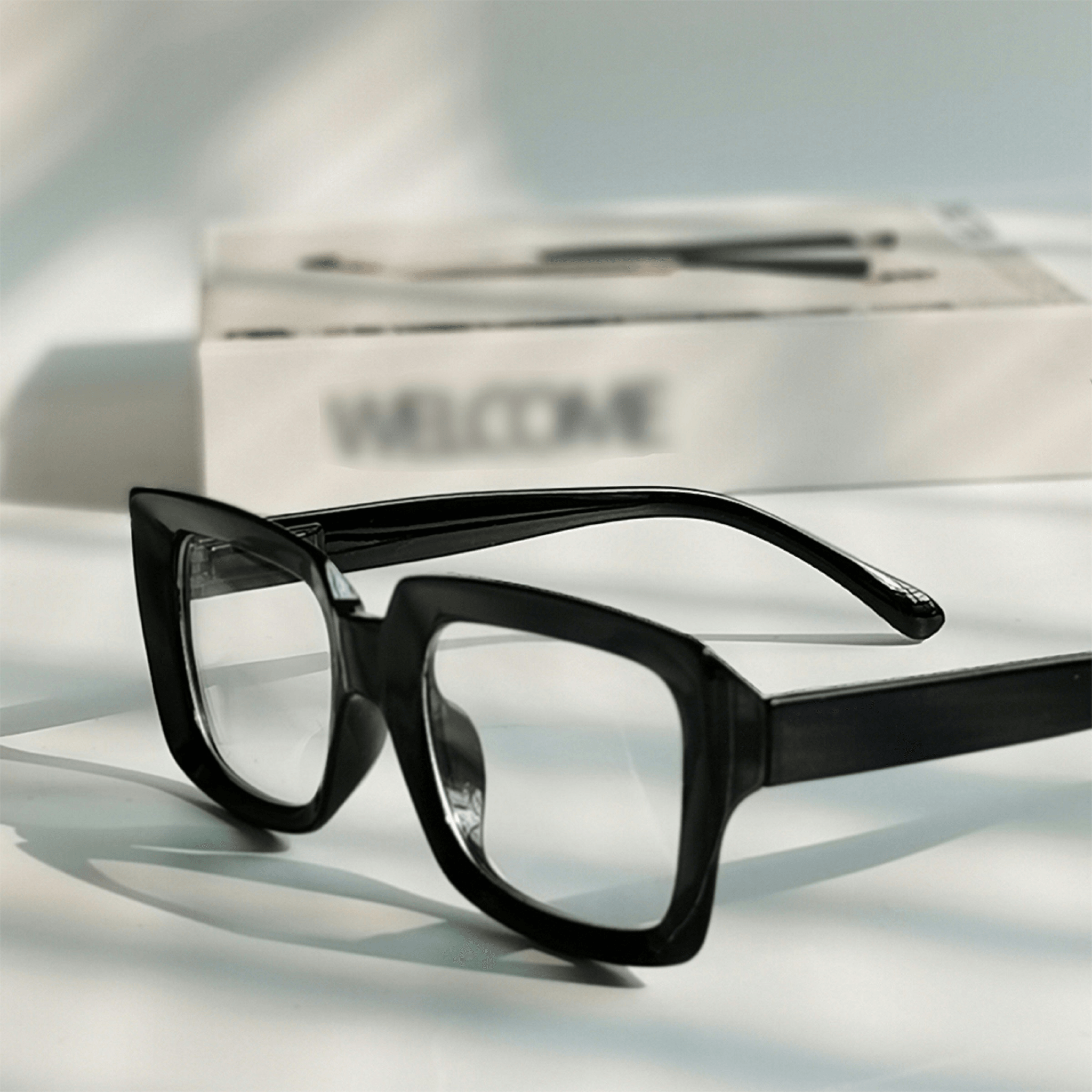
In the world of eyewear, choosing the right material for your eyeglasses and frames can significantly impact both style and comfort. The ongoing debate of acetate vs nylon has led us to appreciate the unique qualities each brings to the table. By understanding these materials, you can make a more informed decision that suits your personal needs and aesthetic preferences.
Key Takeaways on Eyeglass Materials
When it comes to eyeglass glasses, acetate stands out for its vibrant colors and customizable designs, making it a favorite among fashion-forward individuals. On the other hand, nylon offers remarkable durability and flexibility, appealing to those who prioritize functionality in their eyewear frames. Ultimately, knowing how acetate eyeglasses and nylon frames differ will help you choose the best fit for your lifestyle.
Acetate’s Elegance vs Nylon’s Robustness
Acetate spectacles exude elegance with their stunning color options and fashionable appeal; they are often seen as a staple in high-end eyewear collections. In contrast, nylon frames boast robustness that makes them ideal for active lifestyles without compromising on style. This clash of acetate vs nylon highlights how both materials have carved their niches in the eyewear market.
Making the Best Choice for Your Eyewear
Choosing between acetate glasses and nylon eyewear depends largely on your personal preferences regarding aesthetics versus practicality. If you lean towards stylish designs with a touch of luxury, acetate is likely your go-to choice; however, if durability is key in your day-to-day life, then investing in quality nylon may serve you better. Whichever route you take, remember that both options can enhance your look while providing essential vision support.