
Introduction

Understanding High Index Lenses
High index lenses are specially designed to bend light more effectively than standard lenses, allowing them to be made thinner without sacrificing optical quality. This feature makes high index glasses particularly appealing for individuals requiring high prescription glasses, as they reduce the bulk and weight typically associated with thicker lenses. With options like 1.67 high index lenses and 1.74 high index lenses, wearers can enjoy enhanced comfort while maintaining clear vision.
Why Thickness Matters in Glasses
The thickness of your glasses plays a significant role in both comfort and aesthetics. Thicker lenses can often feel heavy on the nose and may not complement every face shape, leading many to opt for high index options that provide a sleeker profile without compromising vision clarity. Choosing between different thicknesses, such as 1.67 vs 1.74 high index lenses, can influence not only how you look but also how you feel wearing your glasses throughout the day.
The Role of Clarity in Vision
The index in lenses directly affects how light is transmitted through them, impacting overall clarity and visual acuity. Additionally, lens coatings can further enhance clarity by reducing glare and protecting against scratches, making it essential to consider these factors when investing in high index glasses.
What Are High Index Lenses?
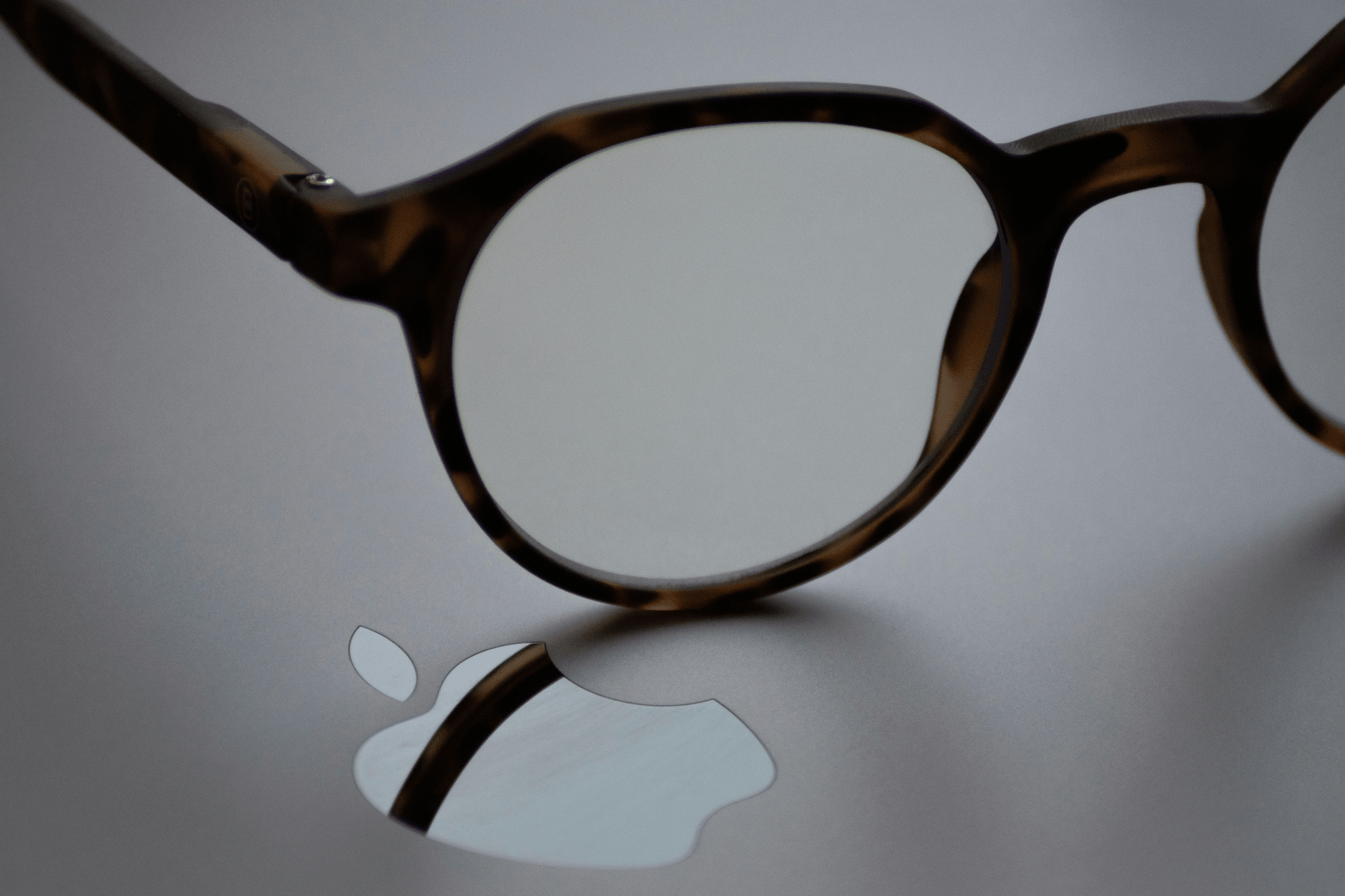
High index lenses are a game-changer in the eyewear world, designed specifically for those with strong prescriptions. These lenses are crafted from high-density materials that allow them to bend light more efficiently, resulting in thinner and lighter glasses. If you’ve ever struggled with the weight of traditional lenses, high index glasses might just be your new best friend.
Overview of High Density Lenses
High density lenses are made from advanced materials that possess a higher refractive index than standard glass or plastic lenses. This means they can achieve the same optical power as regular lenses but with significantly less thickness. For example, 1.67 high index lenses and 1.74 high index lenses provide users with options tailored to their specific prescription needs while maintaining comfort and style.
Benefits of High Index Glasses
The benefits of high index glasses extend beyond just aesthetics; they also enhance comfort and visual clarity. Thinner glasses with high index lenses reduce the “coke bottle” look often associated with strong prescriptions, making them more fashionable and appealing to wearers. Additionally, these lenses can provide better optical quality by minimizing distortion at the edges—perfect for anyone who relies on their vision for daily tasks.
How They Differ from Regular Lenses
When comparing high index lenses to regular ones, several key differences emerge that make them stand out in the eyewear market. Regular lenses tend to be thicker and heavier for higher prescriptions, which can lead to discomfort during prolonged use; in contrast, glasses with high index lenses offer a lightweight solution without sacrificing strength or durability. Furthermore, the advanced technology behind these high density lenses allows for superior clarity and reduced distortion—essential features for anyone needing precise vision correction.
Exploring Thickness: 1.67 vs 1.74 High Index Lenses

The choice between 1.67 high index lenses and 1.74 high index lenses often boils down to personal preference and prescription needs. Understanding how these thicknesses impact your glasses with high index lenses can help you make an informed decision.
Comparing Thickness in High Prescription Glasses
High prescription glasses typically require thicker lenses, but the introduction of high density lenses has changed the game significantly. The 1.67 high index lenses are designed for moderate prescriptions, providing a good balance between weight and thickness, while the 1.74 high index lenses cater to stronger prescriptions by offering an even slimmer profile without compromising optical quality. This means that if you have a higher prescription, opting for the 1.74 option can help reduce lens bulk while still delivering the clarity you need.
Impact on Comfort and Aesthetics
Comfort is key when wearing glasses with high index lenses, especially for those who need them daily or for extended periods of time. Thinner lenses not only weigh less but also sit more comfortably on your nose and ears—this is particularly true with 1.74 high index glasses compared to their thicker counterparts like standard plastic or glass options that may feel cumbersome over time. Aesthetically speaking, thinner frames often look more appealing; no one wants to walk around with thick, clunky glasses when they could enjoy a sleek design that complements their face.
Choosing the Right Thickness for You
Deciding between 1.67 and 1.74 high index lenses ultimately depends on your specific vision needs and personal style preferences. If you have a moderate prescription and prioritize comfort without sacrificing aesthetics, then the 1.67 option might be perfect for you; however, if you're dealing with a higher prescription where every millimeter counts in terms of weight reduction and appearance, then investing in the slimmer 1.74 might be worth it in the long run—after all, nobody wants to compromise on style or comfort! Take into account factors such as frame selection too; some frames work better with certain lens thicknesses than others.
Clarity and Optical Quality in High Index Lenses

When it comes to vision correction, clarity is paramount, especially with high index lenses. The index in lenses refers to the material's refractive power, which directly influences how light is transmitted through the lens. Higher index materials allow for thinner and lighter designs while maintaining optical quality, making them an excellent choice for those needing high prescription glasses.
How Index in Lenses Affects Clarity
The relationship between the index in lenses and clarity is a fascinating one. High index glasses, such as 1.67 high index lenses and 1.74 high index lenses, are designed to bend light more efficiently than standard options. This means that they can provide sharper vision without the bulk of thicker traditional lenses, ensuring you see the world clearly without compromising on style.
However, clarity isn't solely about thickness; it's also about how well the lens material disperses light without distortion or aberration. High density lenses are engineered to minimize these issues while maximizing visual acuity, making them ideal for individuals with strong prescriptions who want both aesthetics and functionality in their eyewear.
Distortion Risks with Thicker Lenses
While thicker lenses can offer improved durability and scratch resistance, they often come with a downside: distortion. As you increase lens thickness—especially beyond what’s necessary for your prescription—you may experience visual distortions that can affect your peripheral vision or create a “fishbowl” effect around the edges of your glasses with high index lenses.
High prescription glasses made from standard materials might exacerbate this issue due to their weight and curvature, leading to discomfort during wear. Conversely, opting for 1.67 or 1.74 high index lenses helps mitigate these risks by providing a flatter profile that reduces distortion while enhancing overall optical performance.
The Importance of Lens Coatings
Lens coatings play a crucial role in enhancing both clarity and durability when it comes to high density lenses. Anti-reflective coatings can significantly improve visual comfort by reducing glare from screens or harsh lighting conditions—an essential feature for anyone wearing glasses with high index lenses throughout their daily activities.
Moreover, protective coatings like scratch-resistant layers will help maintain the pristine condition of your 1.67 or 1.74 high index glasses over time—because nobody wants their stylish frames marred by unsightly scratches! Investing in quality lens coatings not only preserves clarity but also extends the lifespan of your eyewear investment.
Choosing Glasses with High Index Lenses

Selecting the right pair of glasses with high index lenses can feel like navigating a maze, especially when you’re faced with so many options and considerations. From thickness to style, every detail plays a role in ensuring that your high prescription glasses not only meet your vision needs but also fit your lifestyle. Understanding the nuances of high density lenses will help you make an informed choice that balances comfort, aesthetics, and clarity.
Factors to Consider When Buying
When shopping for high index glasses, start by considering your prescription strength. Higher prescriptions often benefit from 1.67 high index lenses or 1.74 high index lenses due to their thinner profile and lighter weight, which can significantly enhance comfort throughout the day. Additionally, think about lens coatings; anti-reflective or scratch-resistant coatings can improve both the durability and visual clarity of your high density lenses.
Another important factor is frame selection; certain styles work better with specific lens types. For example, thicker frames might be more suitable for heavier lenses while lightweight frames complement thinner options beautifully. Don’t forget to factor in lifestyle considerations—if you’re active or spend long hours in front of screens, you may want features like blue light filtering or impact resistance in your glasses with high index lenses.
Lastly, budget plays a crucial role in choosing your eyewear; while higher index options may come at a premium price point, they often provide long-term benefits worth considering. Balancing quality and cost ensures that you invest wisely in your vision health without breaking the bank.
Aisen Optical's Custom High Index Options
Aisen Optical stands out by offering an impressive range of custom high index lens options tailored to meet individual needs and preferences. Whether you're looking for 1.67 high index lenses or the ultra-thin 1.74 variety, Aisen provides personalized solutions that cater specifically to varying prescription strengths and lifestyle demands. Their commitment to quality ensures that each pair of glasses with high index lenses is crafted using advanced materials designed for optimal performance.
Moreover, Aisen Optical offers various stylish frames that harmonize perfectly with their range of high density lenses—ensuring you don't have to sacrifice style for function! With numerous colors and designs available, finding the perfect pair becomes an enjoyable experience rather than a chore. Plus, their knowledgeable staff is always ready to assist you in making informed choices about coatings and additional features.
By choosing Aisen Optical’s custom options for your high prescription glasses, you're not just getting eyewear; you're investing in a solution tailored precisely to enhance both clarity and comfort throughout your daily activities.
Style Meets Functionality: A Purchase Guide
When it comes down to purchasing glasses with high index lenses, merging style with functionality is key! Start by determining how you'll use them—do you need them primarily for work or leisure? This will guide you toward selecting frames that are not only fashionable but also practical enough for everyday wear.
Next up: consider the color palette! Neutral tones tend to match well with most outfits while bold colors can make a statement—just remember that trends change faster than some people change their socks! Additionally, think about lens shapes; round frames may soften angular faces while rectangular shapes add definition—a little geometry goes a long way!
Finally—and perhaps most importantly—don’t overlook comfort! Ensure any frame fits snugly without pinching or sliding down your nose; after all, you'll likely be wearing these beauties all day long! With these tips in mind when shopping for high density lenses at Aisen Optical or elsewhere ensures you'll walk away feeling fabulous—and seeing clearly!
FAQs About High Index Glasses

Navigating the world of high index lenses can feel like a maze, especially with all the myths and facts swirling around. In this section, we’ll tackle some common misconceptions, offer maintenance tips for high density lenses, and discuss cost considerations for those high prescription glasses that you might be eyeing.
Common Misconceptions Explained
One of the biggest misconceptions about high index glasses is that they are only for people with extremely poor vision. In reality, even those with mild prescriptions can benefit from the thinner and lighter design of high index lenses. Another myth is that higher index in lenses always means better clarity; while 1.67 high index lenses offer excellent performance, clarity also depends on lens coatings and other factors.
Many people also believe that high density lenses are more fragile than regular ones; however, advancements in lens technology have made these lenses quite durable. Some assume that all high index glasses come at a premium price point, but various options exist to fit different budgets without sacrificing quality or comfort. Understanding these misconceptions will help you make informed decisions when selecting your next pair of glasses with high index lenses.
Maintenance Tips for High Density Lenses
Taking care of your high prescription glasses is crucial to ensuring their longevity and maintaining optical clarity. Start by cleaning your 1.74 high index lenses regularly using a microfiber cloth and a gentle lens cleaner to avoid scratches or smudges that could distort your vision over time. Avoid using paper towels or clothing as they may contain fibers that can scratch the surface.
Be mindful of where you store your glasses; investing in a sturdy case will protect them from accidental drops or pressure when not in use. Additionally, keep your frames adjusted properly—misalignment can lead to discomfort and affect how well your eyes align with the optical center of the lens, especially important in higher prescriptions like those found in 1.67 high index lenses. Lastly, consider getting anti-reflective coatings on your glasses with high index lenses; this not only enhances clarity but also makes cleaning easier.
Cost Considerations for High Prescription Glasses
While it's true that 1.74 and 1.67 high index lenses typically come at a higher cost compared to standard options due to their advanced materials and manufacturing processes, many find them worth the investment for improved comfort and aesthetics in their daily lives.
Insurance plans may cover some expenses related to prescription eyewear; therefore, check if yours offers benefits for purchasing glasses with high index lenses before making a decision! Additionally, look out for promotions or discounts offered by retailers specializing in optical products—some may even provide financing options tailored specifically for customers seeking quality eyewear without breaking the bank.
Conclusion
In the world of eyewear, high index lenses have emerged as a game changer for those with significant vision correction needs. Whether you’re considering 1.67 high index lenses or the even thinner 1.74 high index lenses, the right choice can make all the difference in comfort and aesthetics. As we wrap up our exploration, it’s clear that investing in glasses with high index lenses not only enhances your vision but also elevates your style.
Final Thoughts on High Index Lens Choices
Choosing high density lenses is more than just a practical decision; it's about embracing a lifestyle that values both clarity and comfort. These innovative lenses allow for thinner profiles without sacrificing optical quality, making them ideal for anyone wearing high prescription glasses. Remember, whether you opt for 1.67 or 1.74 high index glasses, each offers unique benefits tailored to your individual needs.
Key Takeaways for Lens Thickness and Clarity
Thicker lenses may introduce distortion risks; thus, selecting the right thickness can greatly enhance your overall visual experience. Additionally, don’t underestimate the importance of lens coatings that can further improve clarity while protecting your investment in high prescription glasses.
Finding the Right High Index Solution for You
Ultimately, finding the perfect pair of glasses with high index lenses requires careful consideration of various factors including prescription strength and personal style preferences. Both 1.67 and 1.74 high index options provide excellent solutions but cater to different aesthetic desires and comfort levels based on their thicknesses and optical properties—so choose wisely! With an array of custom options available from providers like Aisen Optical, you’re sure to discover a stylish pair that meets all your vision needs while enhancing your look.