
Introduction
Recently, the nylon frame material has surged in popularity, captivating both fashionistas and practicality seekers alike. With its unique properties, nylon frames are becoming a go-to choice for those looking for stylish yet durable glasses and frames.
The Rise of Nylon Frame Material
Nylon frame material has transformed the eyewear industry with its lightweight nature and exceptional flexibility. Unlike traditional options like acetate glasses or metal frames, nylon offers an innovative approach that caters to modern lifestyles. As consumers seek comfort without compromising style, it's no wonder that nylon glasses with frame designs are taking center stage.
Comparing Materials: A Practical Guide
Navigating the world of glasses and frames can be overwhelming, especially with so many materials available on the market today. From acetate eyeglass frames known for their vibrant colors to sturdy metal options, each material brings its own set of advantages and drawbacks. This guide will help you compare different materials—including our star player, nylon—and find the perfect fit for your eyewear needs.
Why Frames Matter in Eyewear
Frames are not just a functional component; they play a crucial role in defining your style and personality. The right pair of glasses with frame can elevate your look while also providing necessary support for your lenses. Understanding how different materials affect comfort, durability, and aesthetics will empower you to make informed choices when selecting your next pair of glasses.
Understanding Nylon Frame Material
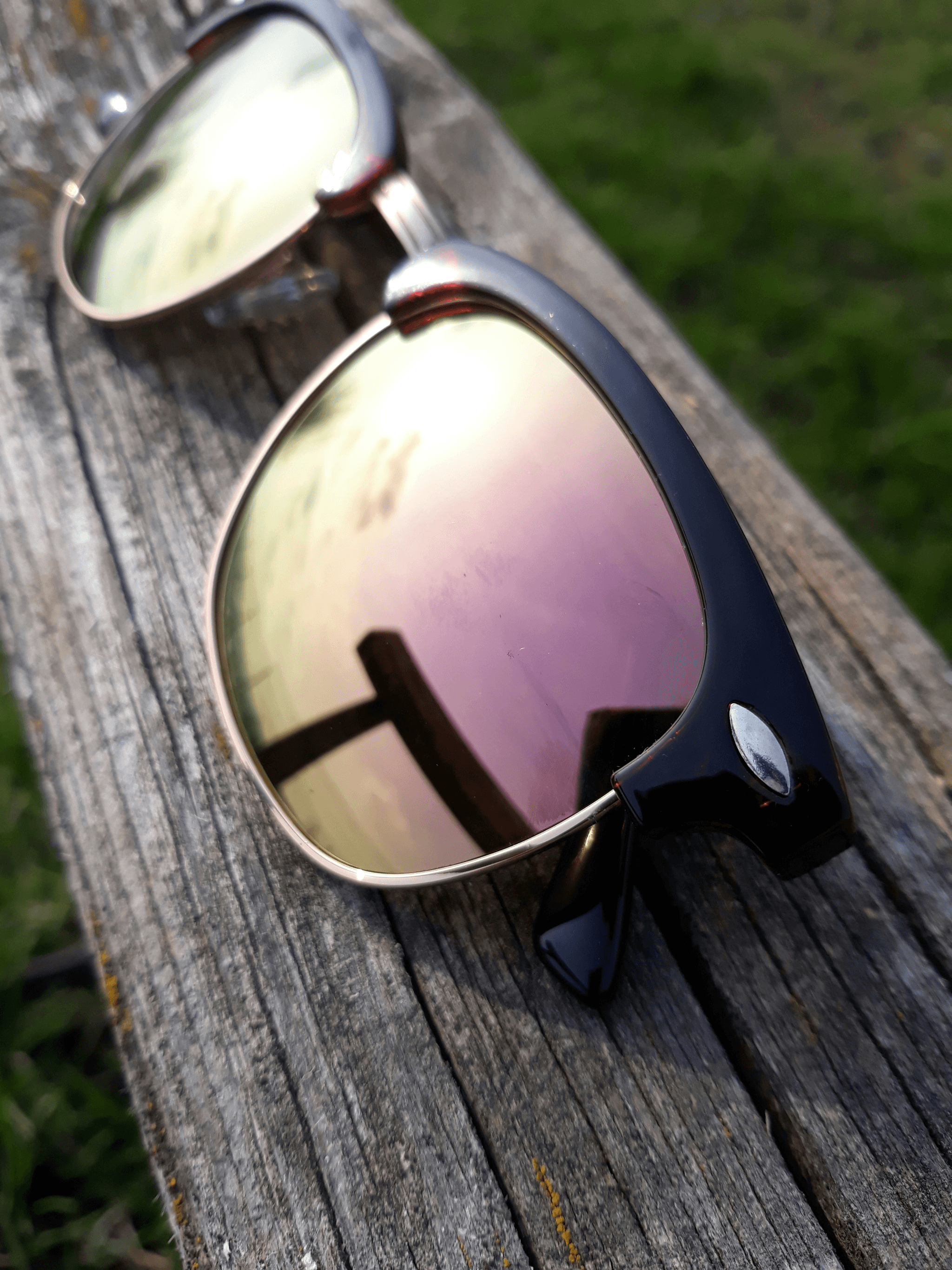
Nylon frame material has been gaining traction in the eyewear industry, thanks to its unique properties and versatility. Unlike traditional materials, nylon offers a lightweight yet durable option for glasses and frames, making it an attractive choice for many wearers. As we explore what makes nylon special, its advantages over other materials like acetate glasses frames will become clear.
What Makes Nylon Unique
Nylon is a synthetic polymer that stands out due to its remarkable flexibility and resilience. This unique combination allows nylon frame material to withstand daily wear and tear without losing shape or comfort. Additionally, the ability to mold nylon into various styles means that glasses with frame designs can be both functional and fashionable.
Advantages of Nylon Over Other Materials
One of the most significant advantages of nylon over materials like acetate eyeglass frames is its superior strength-to-weight ratio. While acetate glasses are known for their aesthetic appeal, they can be heavier and less durable than their nylon counterparts. Furthermore, nylon frames tend to be hypoallergenic, making them a better option for those with sensitive skin or allergies.
Another perk of choosing nylon frame material is its resistance to temperature fluctuations; it won’t warp or become brittle in extreme conditions like some metals or plastics might. This durability translates into longer-lasting glasses and frames that can keep up with your active lifestyle without frequent replacements.
Popular Nylon Frame Styles
From sleek aviators to trendy cat-eye shapes, there’s a design for every face type and personal style preference. Many brands are now innovating with color patterns and textures in their nylon offerings—think vibrant hues or matte finishes that add flair while keeping things lightweight.
Moreover, because of their flexibility and moldability, you’ll find that many eyewear designers are embracing this material for creative collaborations as well as limited edition releases featuring unique designs only possible with high-quality nylon frame material. Ultimately, whether you’re looking for something classic or contemporary, there’s no shortage of stylish choices when it comes to selecting your next pair of glasses with frame made from this versatile substance.
Nylon vs. Acetate Glasses

Each material brings its own set of characteristics that can significantly impact your glasses and frames experience. Let's dive into how these two contenders stack up against each other in terms of durability, comfort, and aesthetics.
Durability: Nylon vs. Acetate Eyeglass Frames
Durability is often a top priority for anyone searching for reliable glasses with frame options, and here is where nylon frame material shines brightly. Known for its resilience, nylon frames tend to withstand impacts better than their acetate counterparts, making them ideal for active lifestyles or clumsy moments (we’ve all had those!). On the other hand, while acetate eyeglass frames can be stylish and lightweight, they are more prone to cracking or breaking under stress; this makes them less durable in comparison to sturdy nylon.
Comfort and Fit Comparison
Nylon frame material offers a lightweight feel that many wearers appreciate; you might even forget you’re wearing them! In contrast, acetate glasses can sometimes feel heavier on the nose due to their thicker construction; however, they do offer a certain warmth that some find comfortable against the skin.
Aesthetic Differences in Frames
When aesthetics come into play, both materials bring unique styles but cater to different tastes. Acetate glasses are known for vibrant colors and patterns—perfect if you're looking to make a bold fashion statement with your frames glasses frames! Meanwhile, nylon frame material typically leans towards sleek designs that exude modernity; while they may not have the same color variety as acetate options, their minimalist appeal attracts many who prefer understated elegance.
Metal Frames: The Old Guard

While nylon frame material has gained popularity for its lightweight properties, metal remains a strong contender in the glasses and frames arena. With a history that spans decades, metal frames offer a classic appeal that many still cherish.
Strength and Weight of Metal vs. Nylon
Metal frames are often celebrated for their strength, making them less prone to breakage compared to their nylon counterparts. However, this strength comes at a cost; metal frames can be heavier than those made from nylon frame material, which can affect comfort during prolonged wear. In contrast, nylon glasses with frame designs are typically lighter and more flexible, providing an easy-going fit that many users appreciate.
Style Versatility: Metal vs. Nylon
When it comes to style versatility, both metals and nylon have their unique offerings in the world of glasses with frame options. Metal frames tend to exude a sleek sophistication that complements formal attire beautifully; think of those sharp-looking acetate eyeglass frames paired with tailored suits or elegant dresses. On the other hand, nylon offers an array of vibrant colors and playful designs that cater to casual wearers looking for something fun yet functional.
Longevity and Maintenance Considerations
Longevity is another area where metal frames shine; they can withstand years of use without losing their structural integrity if cared for properly. However, they do require some maintenance—think regular cleaning and occasional adjustments—to keep them looking sharp and fitting well over time. In contrast, while nylon frame material is generally resistant to scratches and fading, it may not last as long as high-quality metal options without showing signs of wear after extensive use.
The Eco-Friendly Alternative: Bamboo

As consumers become more environmentally conscious, they are seeking alternatives to traditional materials like nylon frame material and acetate glasses. Bamboo is not just a trend; it embodies a commitment to sustainability while offering unique benefits for glasses and frames.
Sustainability of Bamboo Frames
Bamboo is renowned for its rapid growth and minimal environmental impact, making it an excellent choice for eco-friendly eyewear. Unlike nylon frame material, which is derived from petroleum-based resources, bamboo is renewable and biodegradable. By choosing bamboo glasses with frame options, consumers can reduce their carbon footprint while still enjoying stylish eyewear.
Additionally, the production of bamboo frames often requires less energy compared to that of acetate eyeglass frames or nylon options. This means that not only are you opting for a sustainable material, but you’re also supporting eco-friendly manufacturing practices. As more brands embrace bamboo as a viable alternative, the market for these stylish frames continues to grow.
Comparing Aesthetics with Nylon
When comparing aesthetics between bamboo and nylon frame material, personal preference plays a significant role. Bamboo offers a unique natural look that can be both rustic and chic; its grain patterns provide an organic feel that many find appealing in their glasses and frames. On the other hand, nylon frames are available in vibrant colors and modern designs that cater to contemporary tastes.
While some may prefer the sleek finish of acetate glasses or acetate eyeglass frames for their polished appearance, others might appreciate the warm tones of bamboo's natural fibers. Ultimately, both materials have their charm—nylon brings versatility while bamboo offers distinctiveness that stands out in any collection of eyewear. Choosing between them often boils down to whether one prioritizes modern aesthetics or embraces nature-inspired design.
Cost Considerations for Bamboo vs. Nylon
When considering cost factors between bamboo glasses with frame options versus those made from nylon frame material or acetate glasses, there are some differences worth noting. Generally speaking, bamboo frames tend to be competitively priced but can vary based on craftsmanship and brand reputation. While high-quality nylon or acetate eyeglass frames might come at a premium due to brand names or advanced technology used in production.
However, investing in eco-friendly materials like bamboo may save consumers money over time due to their durability and lower maintenance requirements compared to traditional materials like metal or plastic-based options. Additionally, as demand grows for sustainable products like bamboo eyewear increases across the industry landscape—prices may become even more accessible as manufacturers scale production efforts.
In summary, whether you're drawn by sustainability advantages or aesthetic preferences—or simply looking for cost-effective solutions—bamboo presents an exciting alternative worth considering alongside traditional choices such as nylon frame material.
Aisen Optical's Innovation in Frame Material

Aisen Optical is at the forefront of eyewear innovation, particularly with their unique approach to nylon frame material. This cutting-edge material not only enhances the durability and comfort of glasses and frames but also allows for an unprecedented level of customization. With Aisen, you can express your personal style through a wide range of colors, shapes, and designs in nylon frames that were previously unimaginable.
Customization with Nylon Frame Material
One of the standout features of Aisen Optical is their commitment to customization using nylon frame material. Unlike traditional acetate eyeglass frames, which often come in limited styles and colors, Aisen offers an extensive palette for personalization. Whether you prefer bold hues or subtle tones, these customizable glasses with frame options provide a perfect fit for every fashion sense.
In addition to color choices, the flexibility of nylon allows for innovative design adjustments that can cater to individual preferences. You can select specific features such as temple length or lens shape to ensure your glasses not only look great but feel comfortable too. This level of customization makes Aisen's offerings stand out in a market often dominated by standard designs.
Quality Control: Aisen’s Commitment
Quality control is paramount at Aisen Optical, especially when it comes to their nylon frame material. Each pair of glasses undergoes rigorous testing to ensure they meet high standards for durability and performance compared to acetate glasses frames. This commitment means that customers receive not just stylish eyewear but also reliable products that withstand the rigors of daily wear.
Aisen’s attention to detail extends beyond mere aesthetics; they prioritize functionality in every aspect of their frames glasses frames lineup. By utilizing advanced manufacturing techniques and materials science expertise, they guarantee that each pair remains lightweight yet robust—perfect for those who lead active lifestyles without sacrificing style or comfort.
Furthermore, this dedication ensures that customers can trust their investment in quality eyewear designed for longevity—something often lacking in cheaper alternatives like standard acetate eyeglass frames.
The Future of Eyewear Design with Aisen
The future looks bright for eyewear design at Aisen Optical as they continue pushing boundaries with nylon frame material innovations. Their forward-thinking philosophy embraces sustainability while delivering fashionable choices that appeal to eco-conscious consumers seeking alternatives to traditional acetate glasses options. As technology advances further into materials science, we can expect even more groundbreaking developments from this trailblazer.
Moreover, the integration of smart technology into eyewear could be on the horizon as well—imagine wearing stylish nylon frames equipped with augmented reality capabilities! With Aisen leading the charge toward innovative designs and functionalities within eyewear markets globally, we are witnessing an exciting evolution where fashion meets function seamlessly.
As consumers become increasingly discerning about both style and sustainability in their choices regarding glasses with frame options available today, companies like Aisen will undoubtedly set new benchmarks worth following closely.
Conclusion
As we wrap up our exploration of eyewear materials, it's clear that the choice of frame material is more than just a matter of aesthetics; it can significantly impact comfort, durability, and style. The rise of nylon frame material has revolutionized the way we think about glasses and frames, offering a lightweight yet robust option that appeals to many wearers. Whether you're drawn to the trendy appeal of acetate glasses or the classic charm of metal frames, understanding these materials helps you make informed decisions for your eyewear.
Navigating the Best Frame Material
When navigating the world of glasses and frames, it's essential to consider what each material offers. Nylon frame material stands out for its flexibility and resilience, making it a favorite among active individuals who need their eyewear to keep up with their lifestyle. On the other hand, acetate eyeglass frames provide vibrant colors and patterns but may lack some durability compared to nylon—so weigh your options carefully.
Choosing Based on Lifestyle Needs
Choosing between nylon and other frame materials often boils down to your lifestyle needs. If you lead an active life or require glasses that can withstand daily wear and tear, nylon frames might be your best bet due to their lightweight nature and resistance to breakage. Conversely, if style is your primary concern—perhaps for fashion-forward events—acetate glasses could offer the flair you desire while still providing comfort.
Embracing Innovation in Eyewear Choices
Embracing innovation in eyewear choices means being open to new materials like nylon frame material that challenge traditional norms in fashion and functionality. As brands like Aisen Optical push boundaries with customizable options using advanced materials, consumers are granted unprecedented freedom in selecting frames that not only reflect personal style but also enhance overall performance. So whether you're sporting acetate glasses or considering a switch to nylon frames, remember: innovation is at your fingertips.