
Introduction
In the world of eyewear, choosing the right material for your glasses can feel like navigating a maze. With options like TR90 and acetate, understanding the nuances of these materials is essential for making an informed decision about your eyewear glasses frames. Whether you're looking for durability, comfort, or style, knowing the differences between TR90 vs acetate will help you select frames that suit your lifestyle and aesthetic preferences.
Understanding TR90 and Acetate Materials
TR90 is a thermoplastic material known for its lightweight nature and impressive flexibility, making it an excellent choice for those who prioritize comfort in their eyeglasses and frames. On the other hand, acetate is derived from natural sources such as cotton fibers and wood pulp, giving it a unique appeal in terms of color and design versatility. By understanding these materials better, you can make a more informed choice when selecting your frame in eyeglasses.
The Importance of Choosing Eyewear Frames
Choosing the right eyewear frames goes beyond just aesthetics; it affects how comfortable you feel throughout the day. The right frame can enhance your vision while complementing your personal style, so it's crucial to consider factors like material composition when shopping for glasses with frame options. Whether you opt for TR90 or acetate frames glasses frames, each choice carries its own set of benefits that cater to different needs.
Key Differences Between TR90 and Acetate
When comparing TR90 vs acetate, several key differences emerge that may influence your decision-making process. For instance, while TR90 offers exceptional flexibility and resilience against wear and tear, acetate shines with its rich colors and patterns that allow for more personalized expression in eyewear design. Understanding these distinctions will not only help you choose the best frame on glasses but also ensure that you enjoy both functionality and style in your everyday wear.
Material Composition
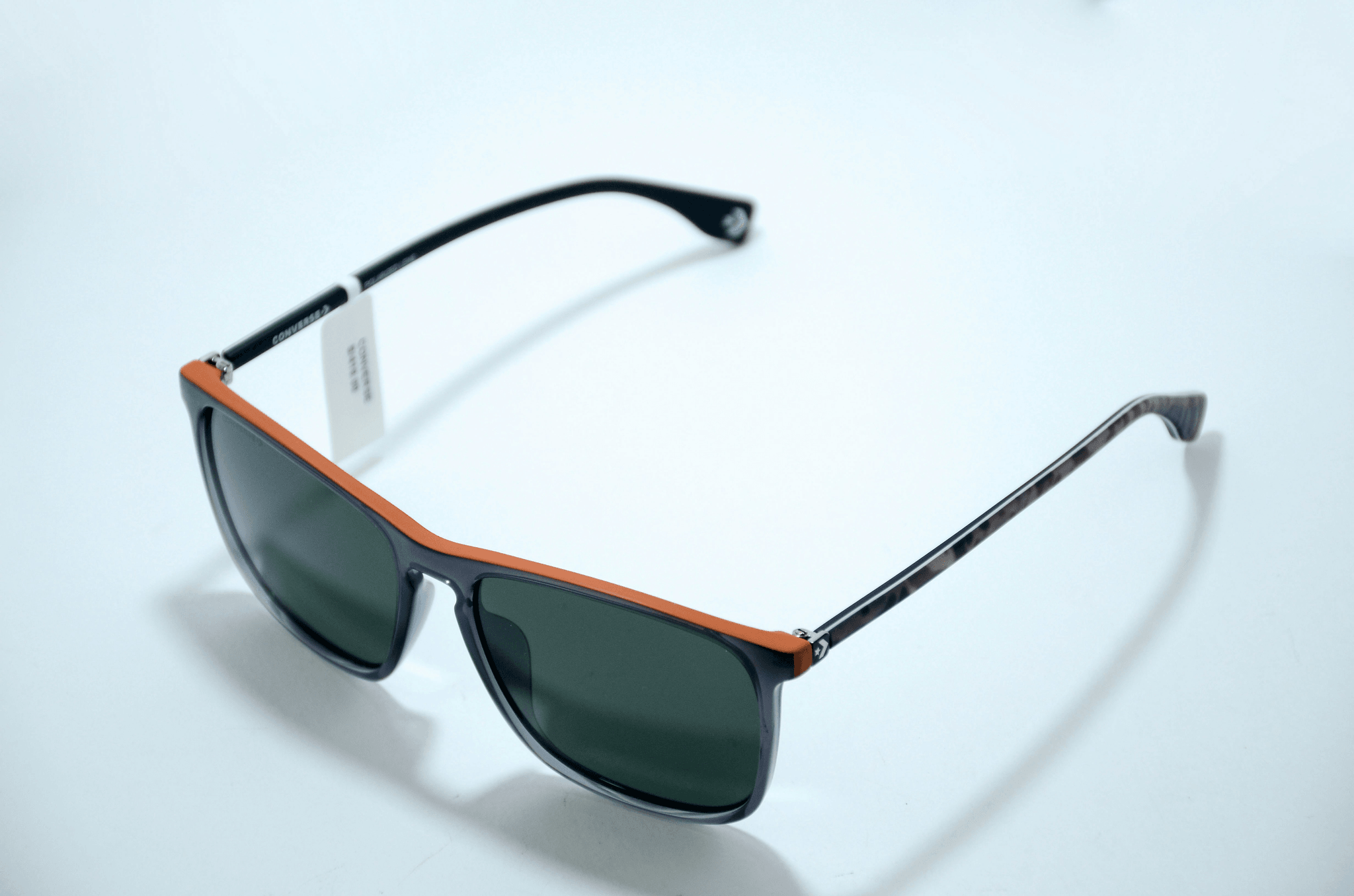
The two popular materials, TR90 and acetate, not only differ in their makeup but also in how they affect the overall performance of eyeglasses and frames. Let's dive into what makes each of these materials unique.
What is TR90 Made Of
TR90 is a thermoplastic material primarily composed of nylon, which gives it a unique blend of flexibility and strength. This lightweight polymer is known for its resilience, making it a go-to choice for those who appreciate comfort without sacrificing durability in their eyeglasses and frames. The result? Frames that can withstand everyday wear while remaining feather-light on your face—perfect for anyone who’s tired of heavy glasses weighing them down!
The Components of Acetate
Acetate, on the other hand, is derived from natural cellulose fibers found in wood pulp or cotton fibers. This eco-friendly option offers vibrant colors and patterns that make it a stylish choice for fashion-forward individuals looking to express themselves through their eyewear glasses frames. While acetate may not be as lightweight as TR90, its rich aesthetic appeal often outweighs this factor for those prioritizing style over sheer weight.
Durability Comparison
When comparing TR90 vs acetate regarding durability, both materials have their strengths but cater to different needs. TR90 excels with its high resistance to impact and bending—ideal for active lifestyles where frames might take a beating! Conversely, acetate offers impressive longevity when cared for properly; however, it can be more susceptible to scratches and damage if mishandled compared to the robust nature of TR90 frames on glasses.
Weight and Comfort
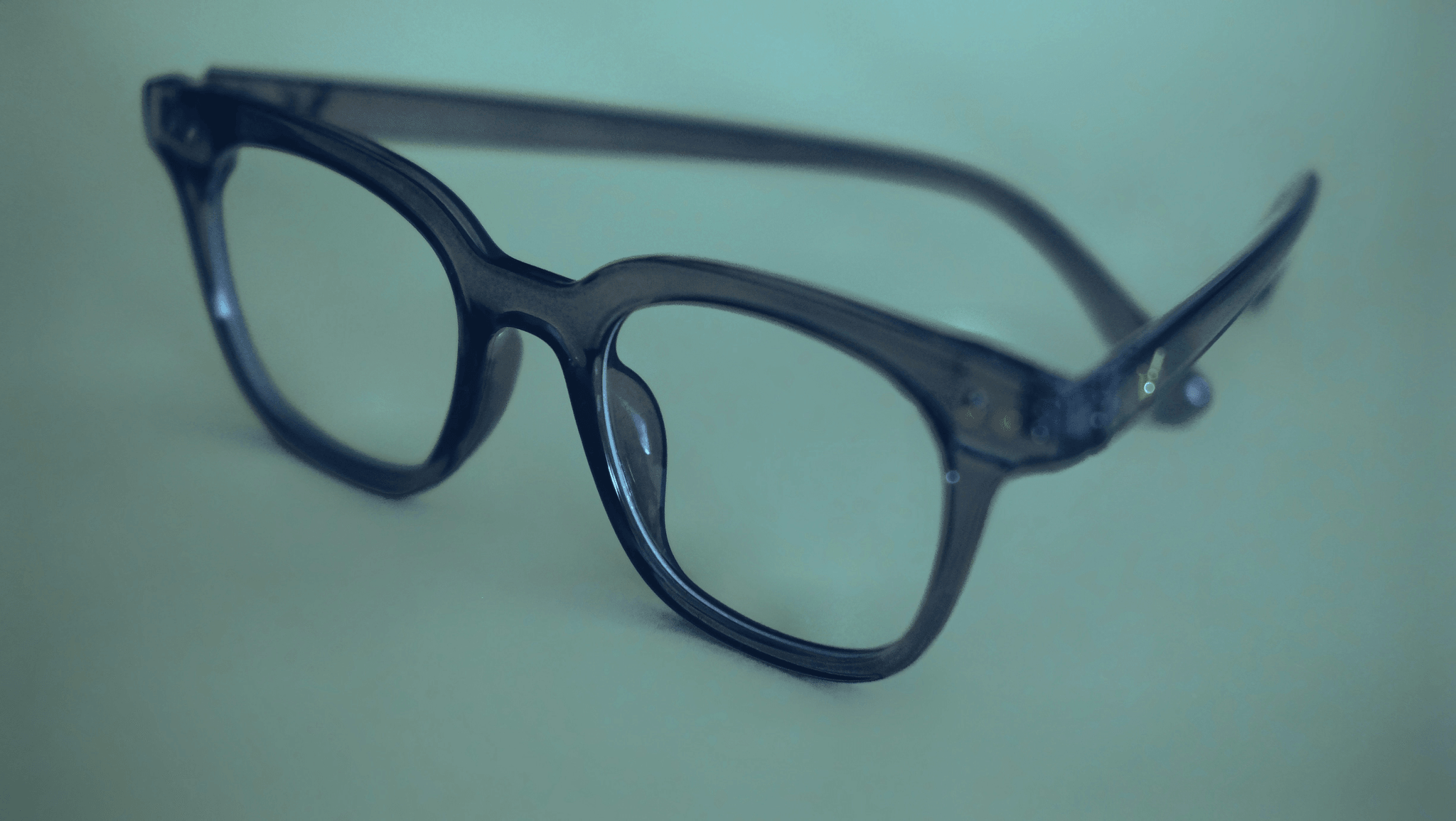
TR90: Lightweight and Comfortable
TR90 is often hailed for its remarkable lightness, making it a favorite among those who prioritize comfort in their eyeglasses and frames. Weighing significantly less than traditional materials, TR90 allows wearers to forget they even have glasses on—perfect for long days at work or endless hours of reading. This lightweight nature also contributes to the flexibility of TR90 frames, allowing them to adapt comfortably to your face without pinching or causing discomfort around the temples.
Acetate: Style Meets Substance
While TR90 shines in terms of weight, acetate brings its own charm with a stylish yet substantial feel that many fashion-conscious individuals adore. These frames offer a nice balance between durability and aesthetic appeal; they come in an array of colors and patterns that can elevate any outfit while still providing decent comfort. Although acetate may be slightly heavier than TR90, many wearers find that the added weight enhances the perception of quality in their eyewear glasses frames.
Comfort Considerations for All-Day Wear
When choosing between TR90 vs acetate for your eyeglasses and frames, consider how long you'll be wearing them daily. For those who need glasses for extended periods—like professionals at desks or students during lectures—TR90's lightweight design can be a game-changer, reducing fatigue throughout the day. However, if you're leaning towards style without sacrificing too much comfort, acetate’s sturdy frame on glasses offers enough reliability to keep you looking sharp while feeling good.
Flexibility and Durability
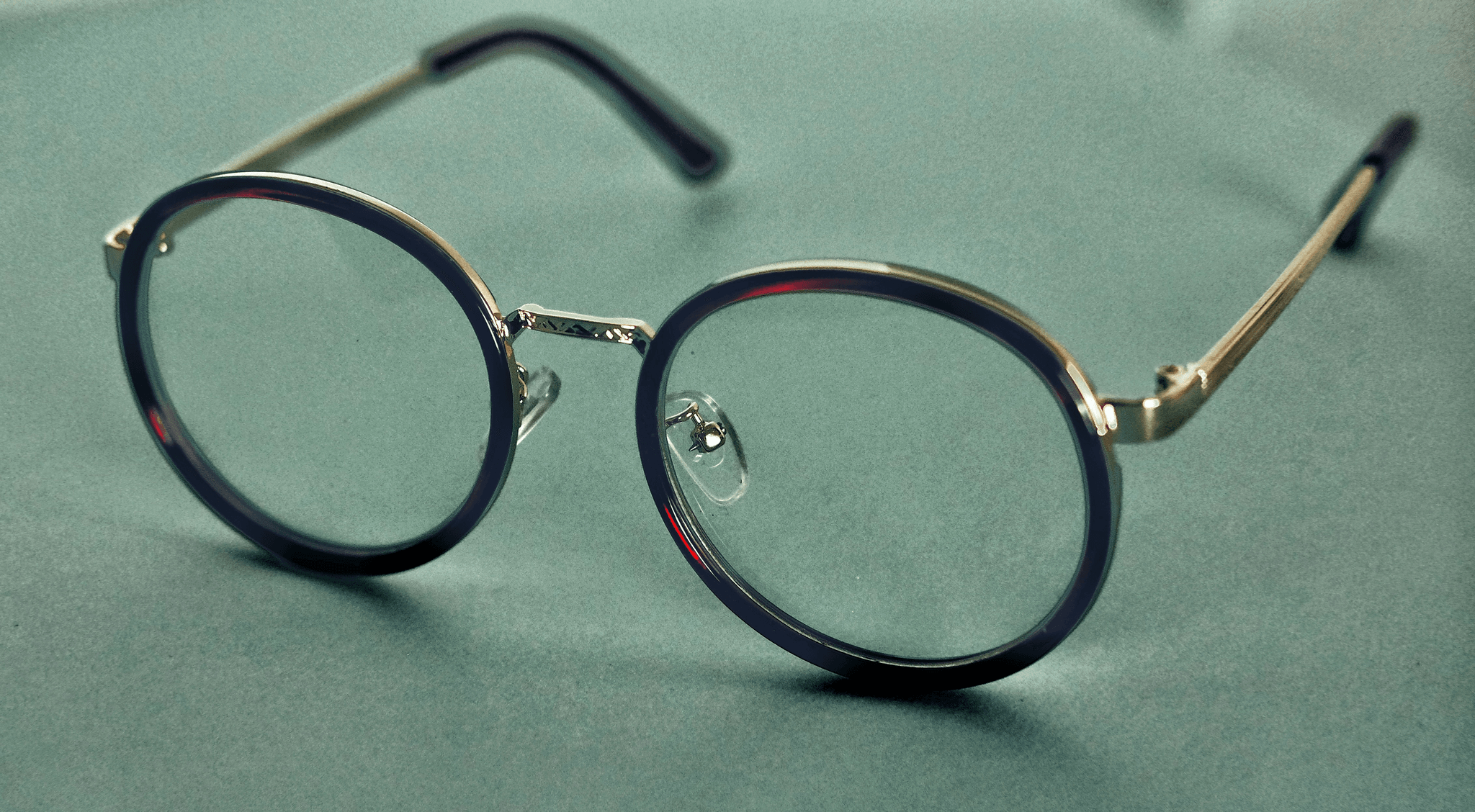
Understanding how TR90 and acetate stack up in these areas helps you make an informed decision about which material best suits your lifestyle. Let’s dive into the unique benefits of each material, focusing on their flexibility, strength, and everyday practicality.
TR90's Flexibility Benefits
TR90 is renowned for its remarkable flexibility, making it a popular choice for those who lead active lifestyles. This thermoplastic material allows frames glasses frames to bend without breaking, providing a level of comfort that is hard to beat. Whether you're engaging in sports or simply going about your daily routine, the ability of TR90 to flex means fewer worries about damaging your eyeglasses and frames during unexpected moments.
Additionally, the lightweight nature of TR90 enhances its flexible properties; you won’t even notice you’re wearing glasses with frame made from this material. This combination makes it ideal for individuals who need durable yet comfortable eyewear throughout the day. So if you're considering tr90 vs acetate for flexibility, TR90 clearly takes the crown in terms of adaptability.
Acetate's Strength and Longevity
While TR90 boasts flexibility, acetate shines in terms of strength and longevity—qualities that are equally important when selecting eyeglasses and frames. Made from natural cellulose fibers derived from wood pulp or cotton fibers, acetate offers a robust structure that resists wear over time. This durability ensures that your frame in eyeglasses will maintain its shape and appearance even after prolonged use.
Moreover, acetate's inherent sturdiness allows for intricate designs and vibrant colors that are less prone to fading compared to other materials. If you're looking for a stylish option with a reputation for lasting performance, acetate might be the better choice when considering tr90 vs acetate durability aspects. It’s not just about aesthetics; it's also about investing in eyewear glasses frames that will stand the test of time.
Everyday Usage Scenarios
Choosing between TR90 and acetate often boils down to how you plan to use your eyewear on a daily basis. For active individuals or those who frequently switch between different environments—like gym sessions followed by work meetings—TR90’s flexible design offers unparalleled convenience without compromising comfort or style. You can easily toss them into a bag without worrying about bending or breaking.
On the other hand, if your lifestyle leans more toward leisurely activities or professional settings where style matters significantly, then acetate provides an excellent balance between aesthetic appeal and durability. Picture yourself wearing stunning glasses with frame designs at social gatherings or business events; they not only look great but also endure regular wear with grace over time. Ultimately, whether you opt for tr90 vs acetate will depend on how these materials align with your everyday needs.
Style and Aesthetics

The choice between TR90 and acetate can significantly impact your overall look, making it essential to understand their aesthetic offerings. Both materials provide unique attributes that appeal to different fashion sensibilities, allowing wearers to express their individuality through eyeglasses and frames.
TR90's Modern Look
TR90 is often lauded for its sleek, modern appearance that complements a variety of styles. With its ability to be molded into contemporary shapes, TR90 frames can offer a minimalist vibe or a bold statement piece depending on the design. This versatility makes them a popular choice among those seeking eyewear glasses frames that are not only functional but also fashionable in today’s fast-paced world.
Acetate's Colorful Options
On the other hand, acetate brings an explosion of color and pattern options that can elevate any outfit. From vibrant hues to intricate designs, acetate frames allow wearers to showcase their personality with flair. Whether you prefer classic tortoiseshell or eye-catching neon shades, acetate provides endless possibilities for customization in your eyeglasses and frames collection.
Choosing Frames Based on Personal Style
Ultimately, the decision between TR90 vs acetate boils down to personal style preferences and lifestyle needs. Think about how you want your frame in eyeglasses to reflect who you are—are you drawn more towards the sophisticated simplicity of TR90 or the playful vibrancy of acetate? Remember that choosing glasses with frame designs that resonate with you not only enhances your look but also boosts your confidence throughout the day.
Environmental Impact
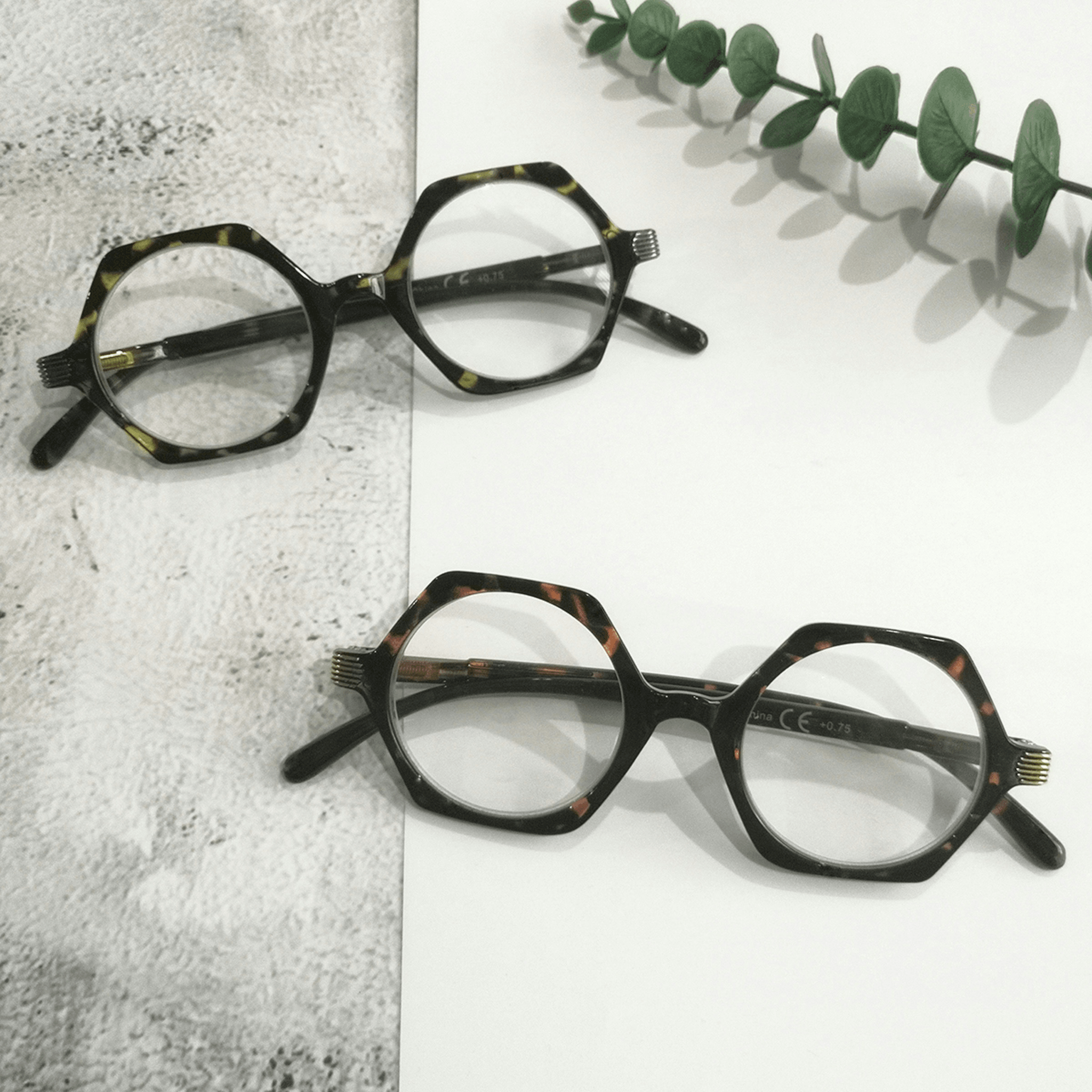
The environmental impact of materials used in eyeglasses and frames can influence purchasing decisions, especially as eco-consciousness grows. In this section, we’ll dive into the sustainability aspects of TR90 vs acetate and how they stack up against each other.
Sustainability of TR90
TR90 is a thermoplastic material known for its durability and flexibility, but how does it fare environmentally? While TR90 is not biodegradable, it is designed to be highly durable, which can extend the lifespan of eyewear glasses frames made from it. This longevity means less frequent replacements and reduced waste in landfills—an important factor when considering the overall environmental footprint of your eyeglasses and frames.
Moreover, many brands are increasingly focusing on sustainable manufacturing processes for TR90 products. This includes reducing energy consumption during production and minimizing waste materials. So while TR90 may not be the most eco-friendly option at first glance, its durability could make it a more sustainable choice over time when compared to shorter-lived alternatives.
Acetate's Biodegradable Nature
Acetate has garnered attention for its biodegradable properties—something that makes it quite appealing in the realm of eco-friendly eyewear. Made from natural cellulose fibers derived from wood pulp or cotton, acetate can break down more easily than synthetic materials like TR90. This characteristic positions acetate as a strong contender for those prioritizing environmental responsibility in their choice of eyeglasses and frames.
However, it's essential to note that while acetate is biodegradable, the conditions under which it decomposes may vary significantly based on disposal methods. If disposed of improperly or mixed with non-biodegradable waste, its benefits could diminish. Therefore, choosing acetate frames glasses frames not only supports sustainability but also encourages responsible disposal practices among consumers.
Choosing Eco-Friendly Eyewear
When navigating the world of eyewear glasses frames, making an eco-friendly choice doesn't have to be daunting—just consider your options carefully! Whether you lean toward the modern aesthetic of TR90 or appreciate the classic charm of acetate’s colorful options, both materials offer unique advantages regarding sustainability.
Look for brands that prioritize environmentally friendly practices in both material sourcing and manufacturing processes; companies like Aisen Optical often highlight their commitment to creating responsible eyewear solutions within their product lines. By opting for glasses with frame styles made from either material while being mindful about their environmental impact, you can enjoy stylish eyeglasses without compromising your values.
Cost and Value

When it comes to eyewear glasses frames, the cost can vary significantly between TR90 and acetate materials. Generally, TR90 frames tend to be more affordable due to their manufacturing process, which allows for mass production. On the other hand, acetate frames often carry a higher price tag because of their handcrafted nature and the quality of materials used in their creation.
Pricing Trends for TR90 vs Acetate
In recent years, pricing trends have shown that TR90 frames are typically priced lower than acetate options. This is largely due to the fact that TR90 can be produced in larger quantities without compromising quality, making it an attractive choice for budget-conscious consumers. Conversely, acetate frames often reflect a premium price point thanks to their unique color patterns and styles that appeal to fashion-forward individuals looking for standout eyeglasses and frames.
Value in Eyewear Glasses Frames
When assessing value in eyewear glasses frames, it's crucial to consider not just the initial cost but also longevity and comfort. While you might pay less upfront for TR90 frames, they offer excellent durability and flexibility that can save you money on replacements in the long run. Acetate may come with a higher price tag but offers a luxurious feel and aesthetic appeal that many find worth the investment when choosing a frame in eyeglasses.
What to Expect from Brands like Aisen Optical
Brands like Aisen Optical provide consumers with a range of choices when it comes to both TR90 vs acetate materials in their eyewear collections. You can expect stylish designs that cater to various preferences while ensuring quality craftsmanship across both types of materials. Whether you’re after lightweight comfort or vibrant colors with depth in your eyeglasses and frames, Aisen Optical aims to deliver value that meets your style without breaking the bank.
Conclusion
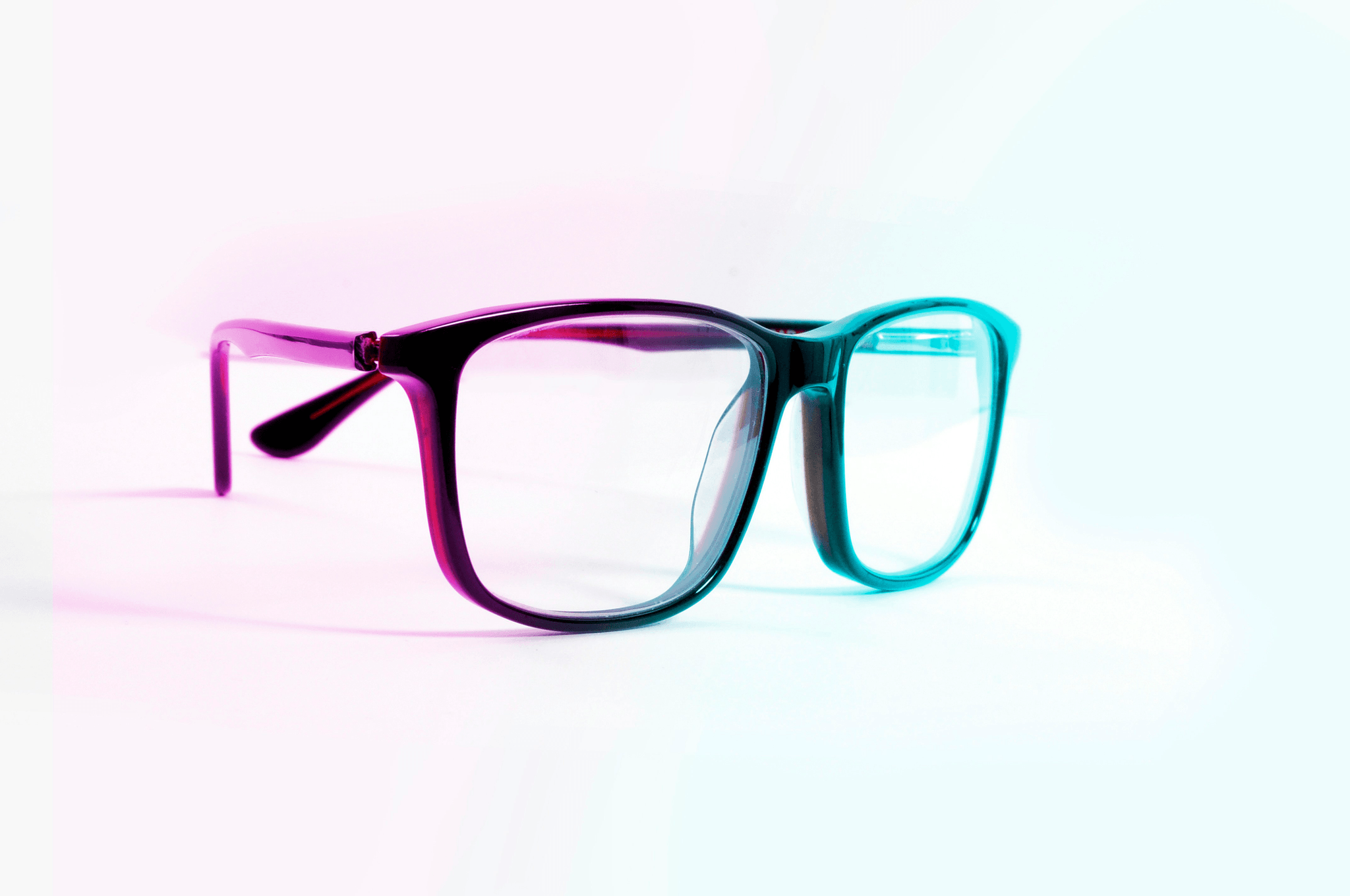
Choosing the right eyewear can feel like navigating a maze, especially when it comes to deciding between TR90 and acetate materials. Understanding the nuances of these two popular choices can help you make informed decisions about your eyewear glasses frames. Whether you prioritize comfort, style, or environmental impact, knowing what each material offers will guide you toward the perfect pair of eyeglasses and frames.
Making Informed Choices for Eyewear
When considering TR90 vs acetate, it’s essential to weigh their unique properties against your lifestyle needs. For example, if you're active or require lightweight options for all-day wear, TR90 might be your best bet with its flexibility and comfort. On the other hand, if vibrant colors and classic styles are what you’re after in frames glasses frames, acetate could be the way to go.
Balancing Style and Functionality
Style shouldn’t come at the cost of functionality—this is where TR90 and acetate shine in their own ways. While TR90 boasts a modern look that appeals to contemporary tastes, acetate offers a variety of colors and patterns that can elevate any outfit with flair. Ultimately, choosing glasses with frame designs that resonate with your personal aesthetic while ensuring they meet practical needs is key to satisfaction.
Trusted Brands: Aisen Optical and Beyond
Brands like Aisen Optical stand out by offering quality eyewear that caters to both style preferences and material advantages—whether it’s TR90 or acetate you prefer in your eyeglasses and frames. With an array of options available from trusted manufacturers, finding a frame on glasses that fits both your style and budget becomes easier than ever. So before making a purchase decision on those stylish new frames glasses frames you've been eyeing, consider how each material aligns with your daily life.