
Introduction
In the ever-evolving world of eyewear, material choice can significantly impact both functionality and style. Understanding these materials is crucial for selecting the right frame in eyeglasses that not only suits your aesthetic but also meets your daily needs.
Understanding TR90 and Acetate
TR90 is a thermoplastic material known for its remarkable flexibility and durability, making it a popular choice for eyewear frames. On the other hand, acetate is a plant-based plastic that offers vibrant colors and patterns, often favored in sunglasses and fashion-forward eyewear acetate styles. Both materials have unique characteristics that cater to different preferences, so knowing their distinctions can help you make an informed decision.
The Rise of Eyewear Materials
The eyewear industry has seen a surge in innovative materials over recent years, with TR90 and acetate leading the charge. As consumers become more conscious of both comfort and style, manufacturers have responded by enhancing their offerings with these versatile materials. This rise not only reflects changing consumer demands but also highlights the importance of understanding what makes each material special when choosing between options like acetate spectacles or TR90 frames.
Why This Comparison Matters
Choosing between TR90 and acetate isn't just about personal preference; it's about finding the right balance between durability, aesthetics, comfort, and cost-effectiveness in your eyewear frames. With many options available today—from stylish acetate glasses to robust TR90 eyeglasses—understanding how these two materials stack up against each other can lead you to the perfect pair tailored for your lifestyle. Ultimately, this comparison matters because it empowers you to make choices that enhance your vision while keeping you looking chic.
Overview of TR90

Composition and Properties
TR90 is a thermoplastic material made from a blend of nylon and other polymers, which gives it unique properties that are ideal for eyewear frames. Its composition allows for an incredible amount of flexibility without compromising strength, making it resistant to deformation under stress. This means that whether you're sporting your favorite pair of eyeglasses or sunglasses, TR90 frames can endure daily wear while maintaining their shape.
Advantages of TR90 Eyewear Frames
One of the main advantages of TR90 eyewear frames is their impressive resilience against impacts and scratches. Unlike traditional materials, TR90 does not easily break or shatter upon impact, making it an excellent choice for active individuals or those with kids who might inadvertently put their glasses through some rough handling. Additionally, the lightweight nature of TR90 ensures comfortable wear throughout the day—no more feeling like you're balancing bricks on your nose!
Ideal Use Cases for TR90
TR90 eyewear frames shine in various situations where durability and comfort are paramount. They are particularly popular among athletes and outdoor enthusiasts who need reliable glasses that won't let them down during rigorous activities. Moreover, because these frames are available in numerous styles and colors, they cater to fashion-forward individuals looking to make a statement without sacrificing functionality—making them an excellent contender in the ongoing debate: tr90 vs acetate which is better?
Understanding Acetate

The Makeup of Acetate Eyewear
Acetate eyewear is crafted from cellulose acetate, derived from natural cotton fibers or wood pulp. This composition gives acetate glasses their distinctive look and feel, allowing for intricate designs that can’t be easily replicated with other materials. Additionally, the manufacturing process allows for a wide array of colors and finishes, making each frame in eyeglasses a potential work of art.
The flexibility of acetate also contributes to its comfort; it can be molded into various shapes while maintaining structural integrity. Unlike some synthetic materials that can feel rigid or heavy on the face, eyewear acetate provides a lightweight experience without sacrificing durability. This balance makes acetate spectacles not only fashionable but also functional for everyday wear.
Benefits of Acetate in Sunglasses
When it comes to sunglasses, acetate shines due to its ability to block UV rays effectively while still being lightweight and comfortable on the nose. The glossy finish often associated with acetate frames adds an extra layer of allure—perfect for those sunny days out and about! Plus, because they come in so many styles and colors, you can easily find the perfect pair of acetate glasses that suit your personality.
Another advantage is that acetates are hypoallergenic; they are less likely to irritate sensitive skin compared to other materials like metal or certain plastics. This feature makes them particularly appealing as sunglasses since they often sit close to the face for extended periods of time during outdoor activities. Thus, if you're weighing TR90 vs acetate which is better for your next pair of shades, consider how much you value aesthetics alongside comfort.
Popular Choices in Acetate Spectacles
Brands have embraced this material wholeheartedly; many now offer custom designs featuring unique patterns or color gradients that stand out from traditional eyewear frames made from other materials.
In addition to style variety, many consumers appreciate how well-acquainted they become with their own pair of acetate eyeglasses over time; they tend to develop a personalized fit through regular use due to their adaptable nature. Whether you're looking for something classic or trendy, there's no shortage of choices available when diving into the world of eyewear acetate.
Durability: TR90 vs Acetate
How Each Material Stands Up to Wear
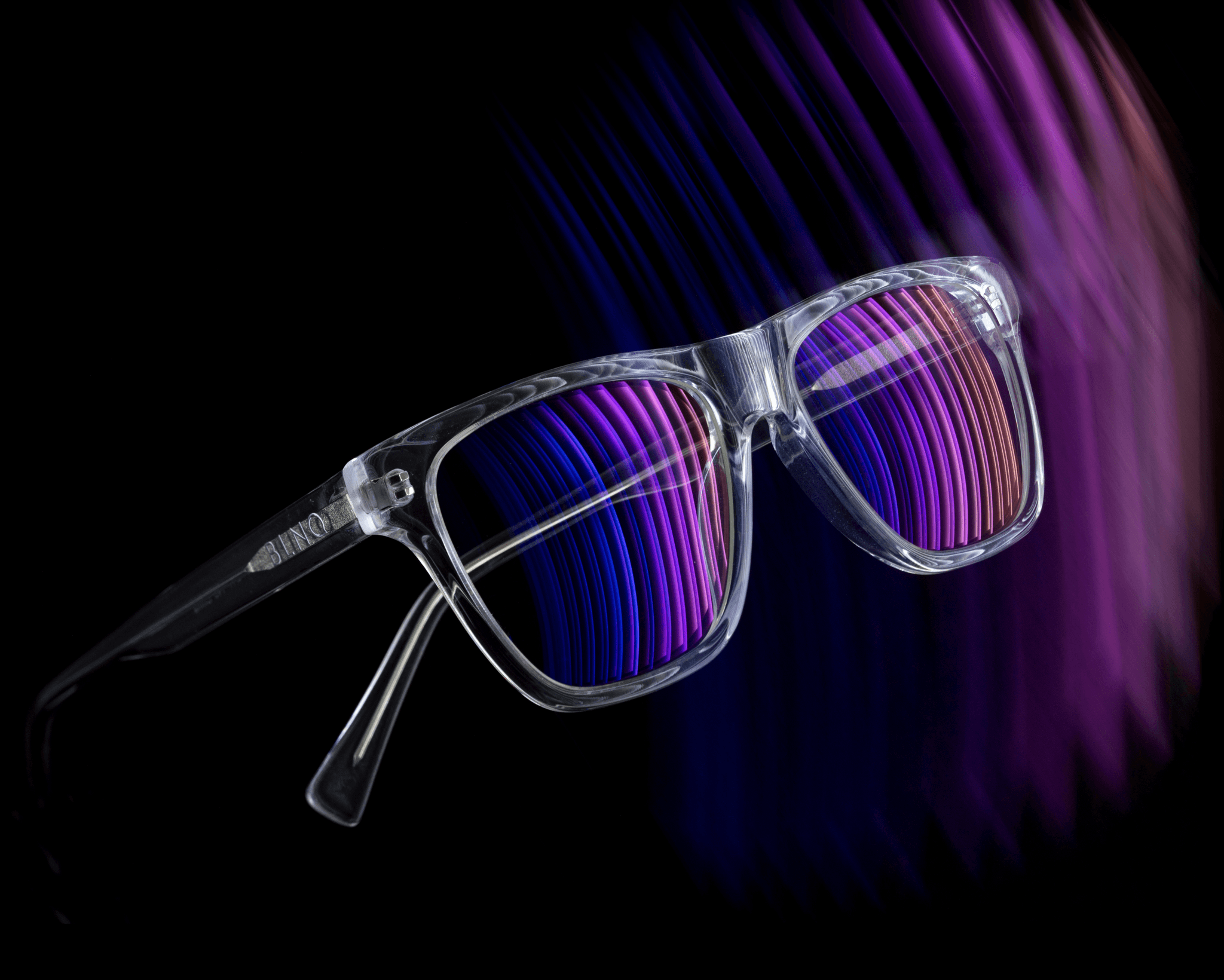
TR90 is known for its incredible resilience; it’s designed to flex and bend without breaking, making it perfect for active lifestyles. Eyewear frames made from TR90 are less likely to crack or become misshapen over time compared to their acetate counterparts. On the other hand, acetate spectacles offer a certain level of durability as well; however, they can be more prone to scratches and may require extra care in handling.
In the battle of tr90 vs acetate which is better when it comes to wear? While TR90 excels in flexibility and impact resistance, acetate glasses are celebrated for their classic look and feel but might not hold up as well during rough use. Ultimately, if you're looking for a frame that can handle everyday adventures without losing shape, TR90 may be your best bet.
Resistance to Environmental Factors
Environmental factors play a significant role in determining how long your eyewear lasts. TR90 frames are highly resistant to temperature changes and UV exposure, making them suitable for various climates and conditions. In contrast, while acetate in sunglasses offers vibrant colors and patterns, it can be sensitive to heat; prolonged exposure may warp or damage the material.
When considering tr90 vs acetate which is better against environmental challenges? TR90 takes the lead with its stable structure that resists fading from sunlight while maintaining its form regardless of humidity or temperature fluctuations. If you’re someone who enjoys outdoor activities or lives in an area with extreme weather changes, investing in TR90 frames might save you from frequent replacements.
Longevity of Eyewear Frames
Longevity is another critical factor when choosing between these two materials; nobody wants their favorite pair of eyeglasses falling apart after just a few months! Generally speaking, TR90 eyewear frames tend to outlast acetate eyeglasses due to their superior durability characteristics. With proper care—like regular cleaning and safe storage—TR90 frames can remain intact and stylish for years.
Acetate spectacles do have their charm with beautiful designs but may require more attention if you want them looking pristine over time. So when pondering tr90 vs acetate which is better regarding longevity? The answer leans toward TR90 if you're seeking long-lasting performance combined with comfort during daily wear.
Style and Aesthetics
Design Versatility of TR90
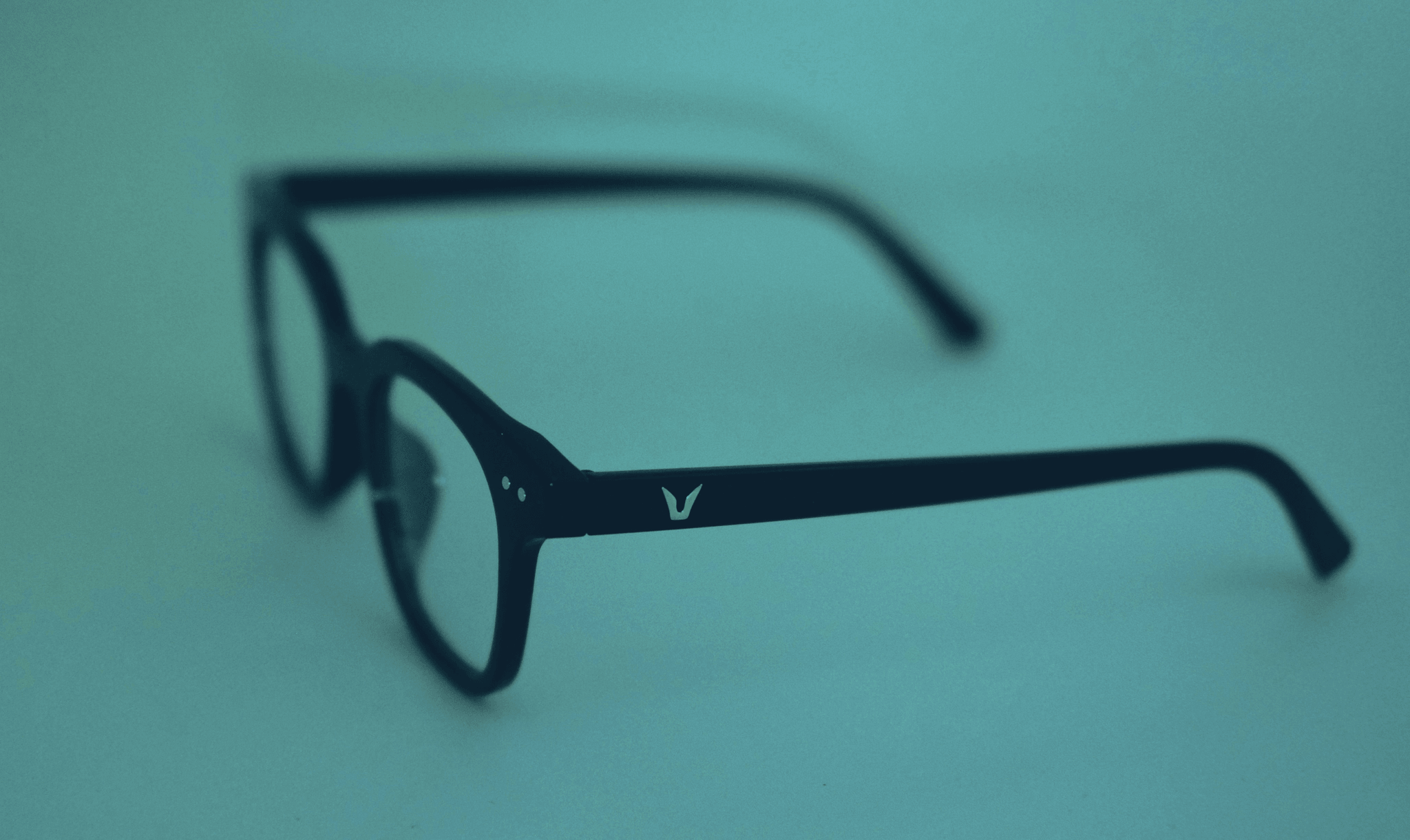
TR90 eyewear frames are known for their remarkable design versatility, making them suitable for a wide range of styles. Whether you prefer bold statements or subtle elegance, TR90 frames can be molded into various shapes without compromising durability. This adaptability makes TR90 an appealing option for those who want their eyeglasses to reflect their unique personality while enjoying comfort and functionality.
Color and Pattern Selection in Acetate
Acetate in sunglasses is celebrated for its rich color palettes and intricate patterns, allowing wearers to express themselves creatively through their eyewear choices. From classic tortoiseshell to vibrant hues, acetate spectacles offer endless possibilities that cater to diverse tastes. The ability to mix colors and patterns makes acetate glasses particularly popular among fashion-forward individuals looking to make a statement with their eyewear.
Fashion Trends for Acetate Glasses
In recent years, acetate eyeglasses have surged in popularity due to emerging fashion trends that embrace boldness and individuality. Designers are now experimenting with oversized frames, geometric shapes, and playful colors that highlight the unique properties of acetate material. As you consider the question tr90 vs acetate which is better, keep an eye on these trends; they might just sway your decision towards stylish acetate options that stand out in any crowd.
Comfort and Fit
After all, the best frame in eyeglasses is one you can wear all day without a second thought. In this section, we’ll dive into how TR90 and acetate stack up against each other in terms of flexibility, weight, and overall user experience.
Flexibility of TR90 for Comfort
TR90 is renowned for its impressive flexibility, which translates into a comfortable fit for many users. This material can bend without breaking, allowing the eyewear frames to adjust to the unique contours of your face. If you're wondering about tr90 vs acetate which is better in terms of flexibility, TR90 takes the lead by providing an adaptable feel that minimizes pressure points during extended wear.
The ability to flex means that TR90 frames are less likely to pinch or cause discomfort behind the ears or on the nose bridge. This characteristic makes them particularly suitable for active lifestyles where movement is key—think sports or outdoor adventures where comfort truly matters! With TR90 eyewear frames, you can enjoy both style and functionality without sacrificing comfort.
Acetate's Lightweight Feel
On the other hand, acetate offers a lightweight feel that many find appealing in sunglasses and eyeglasses alike. Made from plant-based materials, acetate spectacles are not only stylish but also easy on the face—perfect for those who prefer a barely-there sensation while wearing their glasses. If you're considering tr90 vs acetate which is better regarding weightlessness and comfort, acetate often wins out as it feels light as air on your nose.
However, while lightweight is great for long wear times, it’s essential to note that some users may prefer a more substantial frame that feels secure rather than flimsy. Acetate glasses come in various styles and colors too; they provide not just comfort but also an opportunity for self-expression through unique designs. Ultimately, if you’re looking for something light yet stylish in your eyewear collection, acetate could be your go-to choice.
User Experience: TR90 vs Acetate Eyeglasses
User experience can vary significantly between TR90 and acetate eyeglasses based on individual preferences regarding fit and feel. Many users report that TR90 frames adapt beautifully to their facial structure over time due to their flexible nature—making them ideal for those who prioritize comfort during long hours of use. Conversely, others might lean toward acetate eyeglasses because they appreciate the classic look combined with lightweight design; perfect when you want style without feeling weighed down.
The decision ultimately comes down to personal preference: some may prefer the snug adaptability of TR90 while others might favor the elegant aesthetic offered by eyewear acetate options like colorful patterns or bold shapes found in acetate spectacles. When choosing between these two materials based on user experience—consider what aspects matter most: flexibility or aesthetics? Whichever path you choose will surely enhance your daily routine!
Conclusion

In the world of eyewear, the debate of TR90 vs acetate often leaves consumers pondering which material reigns supreme. Both materials have their unique strengths and weaknesses, making them suitable for different preferences and lifestyles. Ultimately, your choice between TR90 and acetate will depend on factors like durability, style, comfort, and personal taste.
Final Thoughts on TR90 vs Acetate
TR90 offers exceptional flexibility and resilience, ideal for those who lead an active lifestyle or need something that can withstand daily wear and tear. On the other hand, acetate spectacles bring a touch of luxury with their rich colors and patterns while providing a lightweight feel that many find comfortable.
Choosing the Right Material for You
Selecting between TR90 and acetate eyeglasses requires some self-reflection about your daily activities and aesthetic preferences. If you're someone who frequently misplaces or breaks your frames, you might lean towards the robust nature of TR90 eyewear frames. Conversely, if fashion-forward design is paramount to you—think vibrant acetate glasses with intricate patterns—then acetate in sunglasses may be the way to go.
Where to Find Quality Eyewear
Finding quality eyewear shouldn't feel like searching for a needle in a haystack; there are plenty of reputable retailers offering both TR90 and acetate options. Whether you're browsing online or visiting local optical shops, look for brands that specialize in high-quality materials and craftsmanship. Remember: investing in well-made eyewear frames ensures longevity—so don't shy away from asking questions about material origins!
Aisen Optical: Your Eyewear Partner
For those seeking guidance through the maze of choices between TR90 vs acetate eyeglasses, Aisen Optical stands ready as your trusted partner in style and comfort. With a wide selection of both materials available at competitive prices, they ensure you find exactly what fits your needs without compromising on quality or aesthetics. Their knowledgeable staff will help you navigate through various options so you can leave with confidence in your new eyewear.
Custom Designs for Unique Style
Aisen Optical also offers custom designs that cater specifically to individual tastes—ideal if you're looking for something truly unique! Whether it's a bold color palette or an intricate pattern only found on premium acetate spectacles, they can create pieces tailored just for you. This level of personalization allows wearers to express their individuality while enjoying the benefits that either material has to offer.
Ensuring Quality in Every Pair
No matter whether you choose TR90 or eyewear acetate styles from Aisen Optical, rest assured knowing each pair undergoes rigorous quality checks before reaching customers' hands. This commitment ensures durability alongside style so that every frame not only looks good but lasts long too! So when pondering over tr90 vs acetate which is better—remember that quality assurance plays a crucial role in making sure your investment pays off over time.