
Introduction
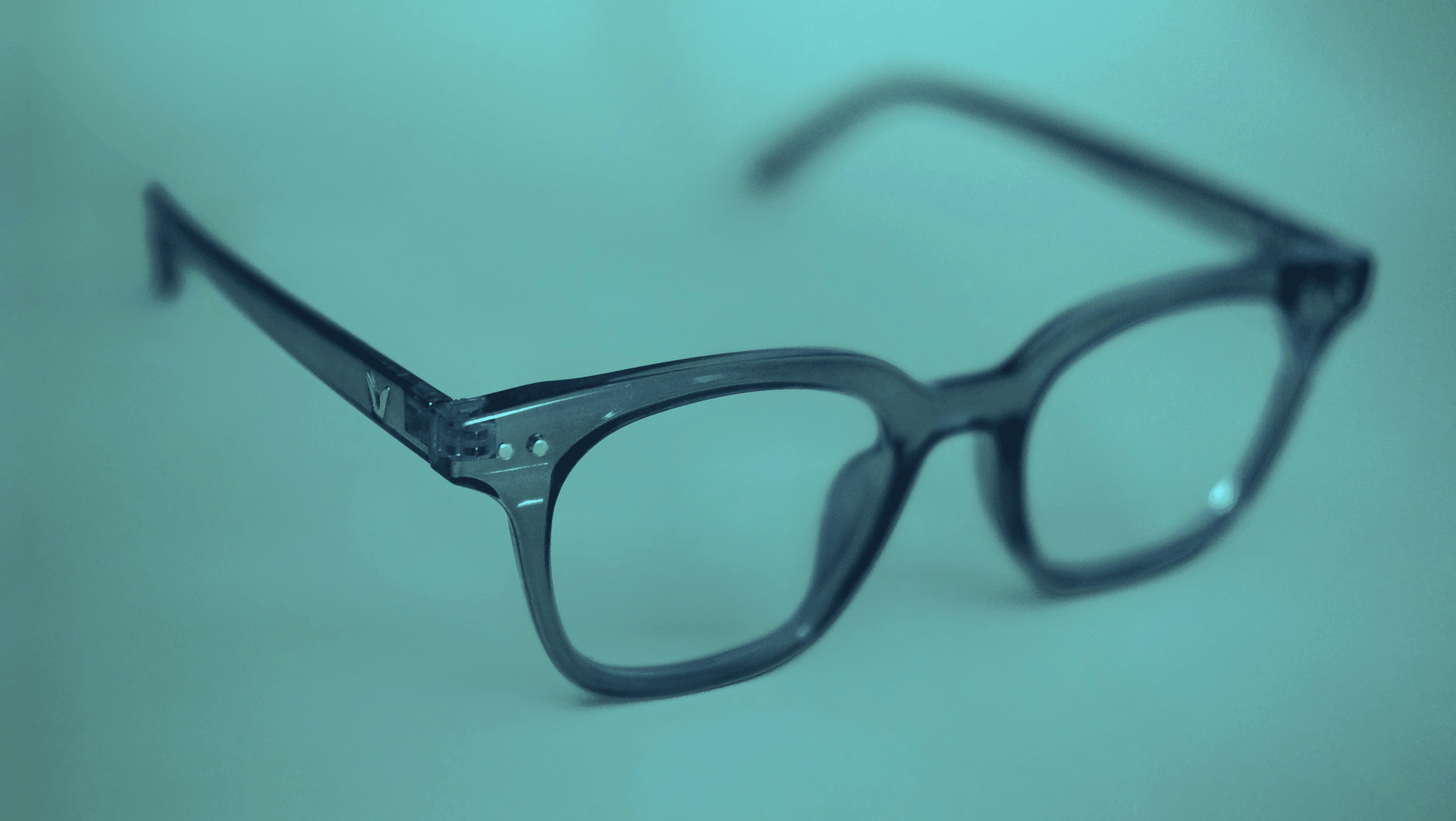
Choosing the right eyewear can feel like navigating a maze, especially with the myriad of specs lens types available today. Whether you're looking for prescription glasses to correct your vision or stylish blue light glasses to protect your eyes from screens, understanding the options is crucial. In this guide, we will explore the evolution of eyeglass lens materials and highlight the benefits of various lens coatings that can enhance your eyewear experience.
Understanding Different Specs Lens Types
From single vision lenses designed for straightforward prescriptions to bifocal and progressive lenses that accommodate multiple viewing distances, knowing your options is key. Specialty lenses also cater to unique requirements, such as those needed for sports or specific work environments, ensuring everyone finds their perfect pair.
The Evolution of Eyeglass Lens Materials
Eyeglass lens materials have come a long way since the days of thick glass lenses that weighed down frames and made wearing glasses a chore rather than a fashion statement. Today’s prescription lenses for glasses are crafted from lightweight materials like polycarbonate and high index plastics that offer both durability and comfort without sacrificing style. This evolution not only improves wearability but also enhances visual clarity and protection against impacts.
Benefits of Lens Coatings for Your Glasses
Lens coatings are essential in maximizing the performance of your eyewear, providing benefits that go beyond aesthetics alone. Anti-reflective coatings improve clarity by reducing glare, making them an excellent choice for anyone who spends time in front of screens—especially with blue light glasses becoming increasingly popular among digital device users. Additionally, scratch-resistant coatings ensure longevity while enhancing durability in everyday wear; after all, no one wants their stylish blue glasses light marred by unsightly scratches!
Specs Lens Types Explained
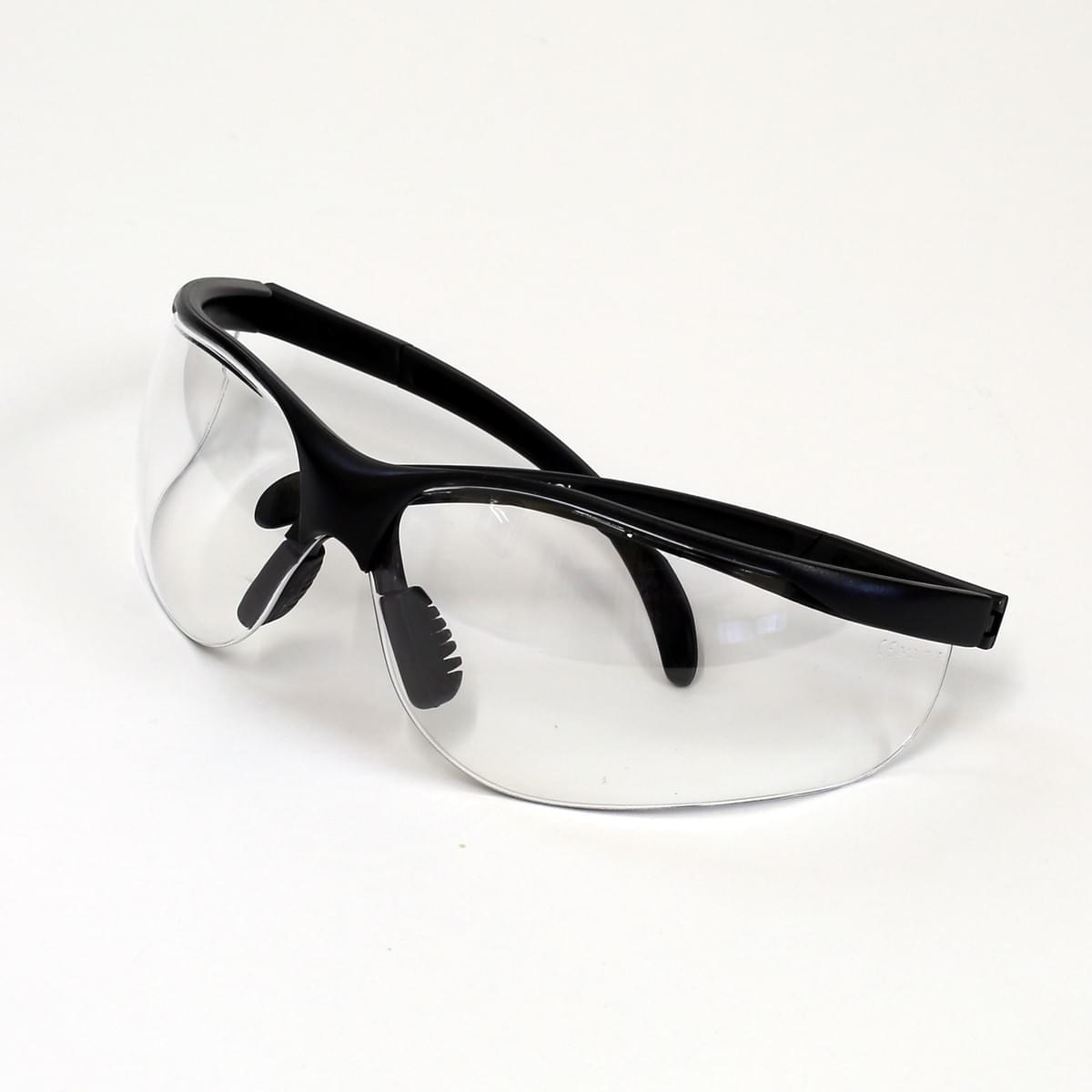
Each lens type serves a specific purpose, from correcting single vision to accommodating multiple prescriptions in one pair. Knowing these distinctions can help you make informed decisions about your eyewear.
Single Vision Lenses
Single vision lenses are the go-to choice for many people who require correction for either nearsightedness or farsightedness. These lenses have a uniform optical power throughout, making them ideal for straightforward prescriptions. Whether you're looking at a book or your smartphone, single vision lenses provide clear and comfortable vision without any fuss.
If you're considering blue light glasses, single vision options are also available with special coatings that block harmful blue light emitted from screens. This makes them perfect for those who spend long hours in front of computers or tablets. So if you need prescription lenses for glasses that can combat digital eye strain while keeping things simple, single vision is a solid choice.
Bifocal and Progressive Lenses
Bifocal and progressive lenses are designed to cater to individuals with presbyopia—a condition that affects near vision as we age. Bifocals feature two distinct optical zones: one for distance and another for close-up tasks like reading. On the other hand, progressive lenses provide a seamless transition between multiple prescriptions without visible lines, offering greater versatility and aesthetic appeal.
Choosing between these two types often depends on personal preference and lifestyle needs; bifocals may be easier to adapt to initially, while progressives offer more natural visual experiences across different distances. If you're leaning towards glasses with blue light protection but also need multifocal capabilities, both bifocal and progressive options come with this added benefit—ensuring you get comfort whether you're reading a novel or scrolling through social media.
Specialty Lenses for Unique Needs
Specialty lenses encompass a wide range of options tailored specifically to unique visual requirements or activities. For instance, sports eyewear often features impact-resistant polycarbonate materials designed to withstand rigorous conditions while providing optimal clarity during action-packed moments. Additionally, there are tinted specialty lenses that enhance contrast in specific environments—perfect for outdoor enthusiasts.
For those working long hours in front of screens, there are also blue light filtering specialty lenses available that not only provide prescription corrections but also shield your eyes from potentially harmful light exposure. Whether you’re looking at stylish light blue glasses or functional safety specs, specialty lenses cater to diverse lifestyles while ensuring maximum comfort and protection tailored just for you.
Common Materials Used in Eyeglass Lenses
Polycarbonate Lenses for Durability
Polycarbonate lenses are often hailed as the superheroes of eyewear materials due to their incredible durability. These lightweight lenses are not only impact-resistant but also provide a level of protection that makes them ideal for active lifestyles or for anyone who might be prone to dropping their glasses. Plus, if you’re on the hunt for blue light glasses, many polycarbonate options come with blue light blocking features, making them a practical choice for those long hours in front of screens.
High Index Lenses for Thinner Specs
If you're tired of bulky frames but still need prescription lenses for glasses that correct your vision effectively, high index lenses are your best bet. These innovative spectacles lens types allow for thinner and lighter designs without compromising on optical quality—perfect for those who want to look stylish while seeing clearly! Additionally, many high index options can be found with blue light blocking capabilities, giving you both fashion and function in one sleek package.
Glass Lenses: Classic Yet Heavy
Glass lenses have been around since the dawn of eyewear and offer unmatched optical clarity that many still swear by today. While they may be heavier than their polycarbonate or high index counterparts, glass lenses provide excellent scratch resistance and a premium feel that is hard to replicate. However, if you're considering blue glasses light options or prioritizing comfort during long wear times, it's essential to weigh these factors against your lifestyle needs when choosing specs lens types.
Lens Coatings That Make a Difference

These coatings serve various purposes, from improving clarity to providing protection against everyday wear and tear. Understanding these options will help you choose the best specs lens types for your needs.
Anti-Reflective Coating for Clarity
Anti-reflective coating is a game-changer for anyone wearing prescription lenses for glasses. This coating minimizes glare from screens and bright lights, allowing for clearer vision whether you're at work or enjoying your favorite show. With anti-reflective coatings, light blue glasses not only look sleek but also improve visual comfort, making them ideal for long hours of screen time.
Scratch-Resistant Coating for Longevity
If you want your glasses with blue light protection to last longer, consider investing in scratch-resistant coatings. These coatings create a durable shield over the lenses, preventing scratches that can impair vision and necessitate costly replacements. By choosing scratch-resistant options on your blue light glasses, you'll ensure that they remain in top condition even with daily wear.
Blue Light Blocking Coating for Digital Comfort
In today's digital age, blue light blocking coatings have become essential for many eyewear users. These specialized coatings filter out harmful blue light emitted by screens, reducing eye strain and improving overall comfort during prolonged use of digital devices. So whether you're looking at specs lens types or just browsing online for blue glasses light options, don’t overlook the benefits of these innovative coatings.
Choosing the Right Prescription Glasses
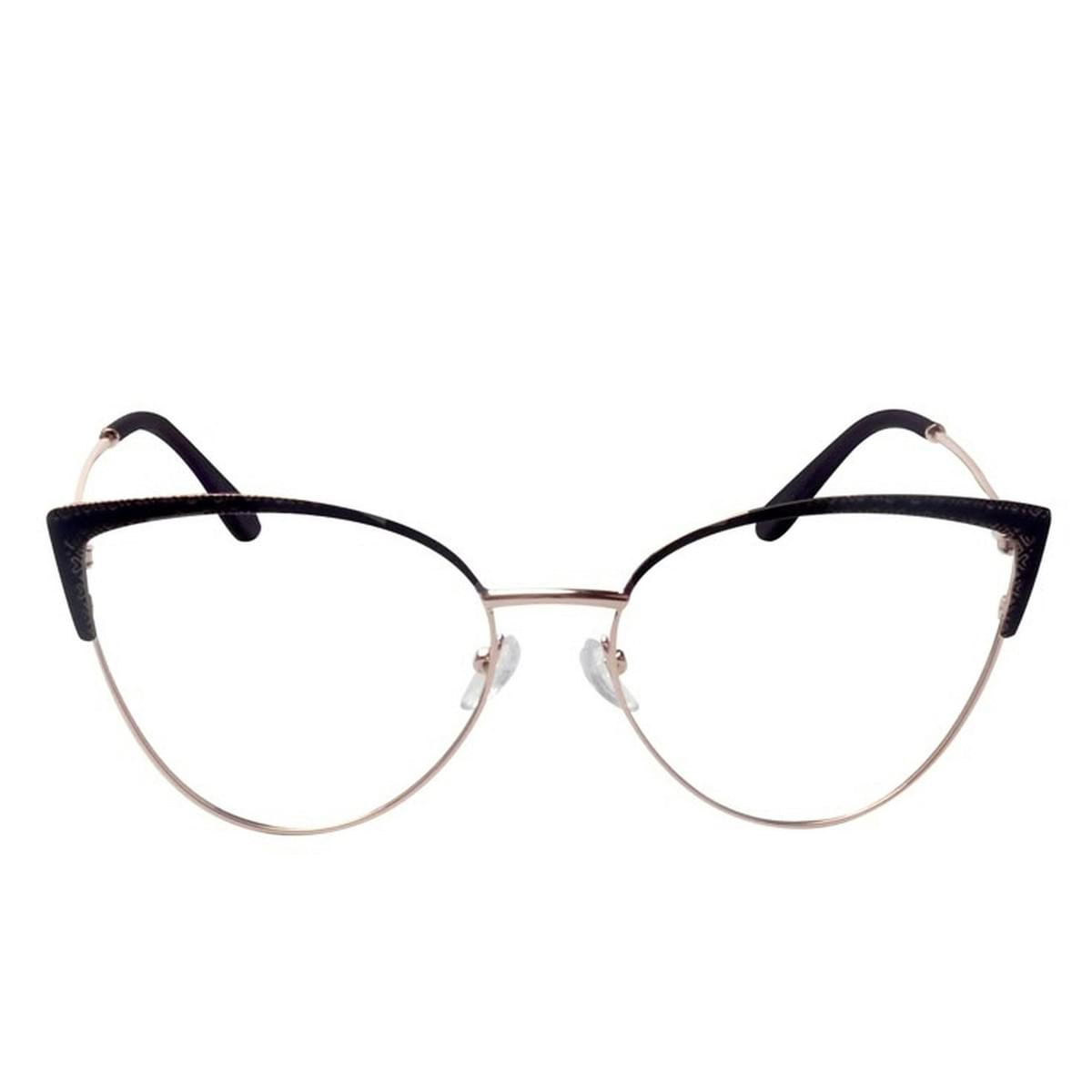
Selecting the perfect pair of prescription glasses can feel like finding a needle in a haystack, especially with so many specs lens types available today. It's not just about correcting your vision; it's about enhancing your lifestyle and comfort. With various options for blue light glasses and other specialized lenses, understanding what suits you best is crucial.
Factors to Consider for Your Lifestyle
When it comes to choosing prescription glasses, consider your daily activities and how you use your eyes. If you're glued to screens for hours, investing in glasses with blue light can help reduce eye strain and improve comfort during long work sessions. Additionally, if you're active or work in environments where durability matters, opt for polycarbonate or scratch-resistant lenses that can withstand daily wear and tear.
Matching Lens Types to Your Vision Needs
Not all vision needs are created equal; hence matching the right specs lens types to your requirements is essential. For instance, if you need correction at multiple distances, bifocal or progressive lenses might be the perfect fit for you. On the other hand, if you only need single vision correction for reading or distance viewing, traditional single vision lenses will suffice.
Customizing Glasses with Aisen Optical
At Aisen Optical, customizing prescription lenses for glasses goes beyond just choosing frame styles; it’s about tailoring every aspect of your eyewear experience. Whether you're looking for light blue glasses that complement your style or specific coatings like anti-reflective options to enhance clarity, their team can guide you through various choices available in blue light glasses as well. Emphasizing quality and personalization ensures that each pair of glasses not only fits perfectly but also meets all your visual needs.
Understanding Blue Light Glasses

In today’s tech-driven world, many people are turning to blue light glasses as a solution for digital eye strain. With screens being a staple in our daily lives, understanding the significance of blue light is crucial when selecting prescription glasses. These specialized glasses are designed to filter out harmful blue light emitted from devices, providing a more comfortable viewing experience.
The Science Behind Blue Light
Blue light is a high-energy visible light that can disrupt sleep patterns and contribute to eye fatigue. Unlike other wavelengths of light, blue light penetrates deeper into the eyes and can lead to discomfort after prolonged exposure, especially when using digital devices for extended periods. This is why understanding specs lens types that include filters for blue light is essential for anyone who spends hours in front of screens.
Benefits of Glasses with Blue Light
Wearing glasses with blue light protection can significantly reduce symptoms associated with digital eye strain, such as headaches and blurred vision. These lenses help improve visual comfort by minimizing glare and enhancing contrast while using electronic devices. Additionally, incorporating these lenses into your prescription lenses for glasses may also promote better sleep quality by reducing the impact of blue light on melatonin production.
How to Select the Right Blue Glasses Light
When choosing the right pair of blue glasses light, consider factors such as lens tint and coating options available within various specs lens types. Look for frames that suit your style while ensuring they provide adequate coverage against harmful rays emitted from screens. Consulting with an optical professional can help you find tailored prescription glasses that meet your unique needs while effectively blocking out unwanted blue light.
Conclusion
In summary, understanding the various specs lens types and materials is crucial for selecting the right prescription glasses. From single vision lenses that cater to basic vision needs to bifocal and progressive options designed for multifocal users, there’s a perfect fit for everyone. Additionally, specialty lenses ensure that even the most unique vision requirements are met with precision.
Recap of Lens Types and Materials
We’ve explored how different specs lens types serve distinct purposes, providing clarity tailored to individual needs. Whether you’re opting for durable polycarbonate lenses or the classic feel of glass lenses, each material offers its own set of advantages. Remember that high index lenses can significantly reduce thickness while maintaining optimal vision—ideal for those who prefer lightweight prescription glasses.
Importance of Coatings for Eyewear
Lens coatings play a pivotal role in enhancing your eyewear experience, making them indispensable when choosing prescription lenses for glasses. Anti-reflective coatings improve clarity by minimizing glare, while scratch-resistant coatings extend the life of your specs significantly. Furthermore, blue light blocking coatings are becoming increasingly essential in our digital age, helping to reduce eye strain from screens and making blue light glasses a popular choice.
Emphasizing Quality with Aisen Optical
They offer an impressive range of specs lens types tailored to your lifestyle and visual needs while ensuring comfort and durability through top-notch materials and coatings. So whether you’re after sleek blue glasses light or functional glasses with blue light protection, Aisen Optical has you covered!