
Introduction
In the world of fashion, custom made sunglasses have become a vital accessory that not only protects our eyes but also enhances our personal style. Understanding OEM sunglasses manufacturing is crucial for brands looking to create unique eyewear that resonates with their audience. This introduction will explore the significance of brand identity and customization in sunglasses production, setting the stage for a deeper dive into what it takes to partner with an OEM manufacturer.
Understanding OEM Sunglasses Manufacturing
OEM, or Original Equipment Manufacturer, plays a pivotal role in the eyewear industry by providing brands with the means to produce high-quality custom made sunglasses without the need to invest heavily in manufacturing facilities. These manufacturers offer services that range from design and prototyping to full-scale production, allowing brands to focus on marketing and sales while ensuring product quality. By collaborating with an OEM manufacturer, businesses can streamline their operations and bring their vision of custom made sunglasses to life more efficiently.
The Importance of Brand Identity
In today's competitive market, establishing a strong brand identity is essential for success. Custom made sunglasses not only reflect individual style but also serve as a canvas for brands to express their values and aesthetics. As you navigate options like OEM vs ODM vs Private Label: Which Model Fits Your Brand?, understanding how your chosen path aligns with your brand identity will be key in creating products that resonate with consumers.
Customization is at the heart of what makes custom made sunglasses appealing; it allows brands to differentiate themselves from competitors and cater to specific customer preferences. From frame shapes and colors to lens types and finishes, every detail can be tailored to create a unique product offering. However, before diving into production, it's crucial for brands to consider several factors such as Why Choosing the Right Manufacturer Matters and what steps they should take by reviewing 8 Things to Check Before Choosing an OEM Sunglasses Manufacturer.
What Does an OEM Sunglasses Manufacturer Do?
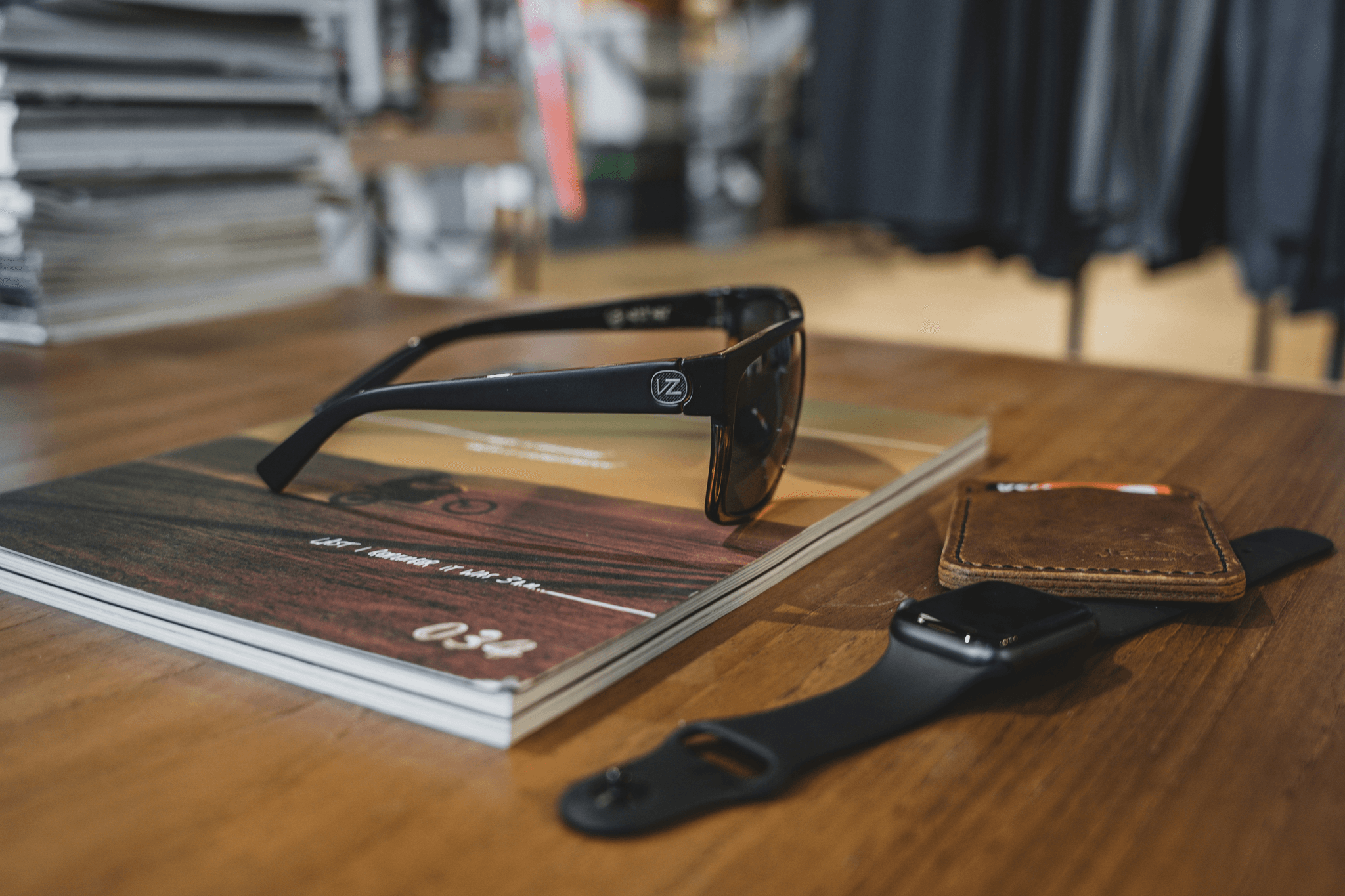
Navigating the world of custom made sunglasses can feel overwhelming, especially when you’re trying to understand the role of an OEM sunglasses manufacturer. Essentially, these manufacturers are the backbone of your production process, handling everything from design to distribution. They allow brands to focus on their identity and marketing while ensuring high-quality products are delivered.
Overview of OEM Services
OEM (Original Equipment Manufacturer) services encompass a wide range of offerings tailored to meet the specific needs of brands looking for custom made sunglasses. These services typically include product design assistance, material sourcing, and manufacturing processes that adhere to brand specifications. By collaborating with an OEM manufacturer, you can leverage their expertise in production techniques and quality control measures—ensuring your sunglasses not only look great but also meet industry standards.
Benefits of Partnering with an OEM Manufacturer
Partnering with an OEM manufacturer brings a treasure trove of benefits that can elevate your brand in the competitive eyewear market. For starters, you gain access to specialized knowledge and advanced technology that may be cost-prohibitive if pursued independently. Additionally, working with an established OEM can streamline your supply chain management and reduce lead times—key factors when launching new custom made sunglasses.
Moreover, by outsourcing production to a reliable partner, you free up valuable resources within your business model for marketing efforts or product innovation—ultimately enhancing your brand identity without compromising quality.
How OEM Fits into Your Business Model
Incorporating an OEM manufacturer into your business model can transform how you approach product development for custom made sunglasses. This partnership allows you to focus on branding and customer engagement while relying on the manufacturer's expertise in production efficiency and scalability. By understanding how OEM fits into your strategy, you can better align it with other models like ODM or private label—making informed decisions about which path best suits your goals.
Moreover, as discussed in OEM vs ODM vs Private Label: Which Model Fits Your Brand?, knowing how each model operates will help clarify what aspects are crucial for success in creating custom made sunglasses that resonate with consumers.
OEM vs ODM vs Private Label: Which Model Fits Your Brand?

When diving into the world of custom made sunglasses, understanding the differences between OEM, ODM, and private label manufacturing is crucial for your brand's success. Each model offers unique advantages and challenges, shaping how your product reaches the market. Choosing the right model can significantly influence your brand identity and overall business strategy.
Key Differences Explained
OEM (Original Equipment Manufacturer) focuses on producing products according to a client's specifications, allowing for extensive customization in design and features. In contrast, ODM (Original Design Manufacturer) not only manufactures but also designs products that brands can rebrand as their own. Private label manufacturing sits somewhere in between; it involves products made by a manufacturer but branded by retailers without significant customization.
Understanding these distinctions can guide you in selecting the most suitable path for your custom made sunglasses venture. If you have a specific vision or unique features in mind, an OEM might be your best bet. Conversely, if you're looking for ready-made designs that need minimal changes, an ODM or private label approach could be more efficient.
Pros and Cons of Each Model
Each manufacturing model comes with its own set of pros and cons that can impact your decision-making process regarding custom made sunglasses production. OEMs allow for maximum customization and control over quality but may require more time and resources to develop from scratch. On the other hand, ODMs offer quicker turnaround times with established designs but may limit your brand’s uniqueness.
Private label manufacturers provide a middle ground; they offer ready-to-sell products with some flexibility while requiring less investment upfront compared to full-scale OEM projects. However, this model might restrict how much you can differentiate your offerings in a crowded market space filled with similar options. Weighing these pros and cons is essential when determining which model aligns best with what does an OEM sunglasses manufacturer do?
Selecting the Right Option for Your Needs
Choosing between OEM, ODM, or private label requires careful consideration of your brand's goals and resources available to you as an entrepreneur in the eyewear industry. Start by evaluating what matters most: Are you looking for complete control over design? Or are speed and cost-effectiveness higher priorities? This decision will directly influence why choosing the right manufacturer matters.
Next, consider conducting thorough research on potential partners using our list of 8 things to check before choosing an OEM sunglasses manufacturer—this includes assessing their capabilities, quality certifications, production capacity, and lead times to ensure they meet your needs effectively. Finally, don’t hesitate to ask questions before requesting a quotation; understanding terms clearly will help align expectations while ensuring smooth collaboration throughout the process.
Why Choosing the Right Manufacturer Matters

When it comes to custom made sunglasses, selecting the right manufacturer can make or break your brand. A reliable OEM sunglasses manufacturer not only impacts product quality but also plays a significant role in shaping your brand reputation. After all, if your sunglasses don’t meet customer expectations, it reflects poorly on your entire business.
Impact on Product Quality and Brand Reputation
The quality of custom made sunglasses directly influences customer satisfaction and loyalty. If you partner with a reputable OEM manufacturer that prioritizes high standards, you’re more likely to produce durable, stylish products that resonate with consumers. Conversely, poor quality can lead to returns, negative reviews, and ultimately damage your brand's reputation.
Moreover, in the competitive market of eyewear, maintaining a strong brand image is crucial. Customers often associate quality with reliability; thus, investing time in understanding what an OEM sunglasses manufacturer does will pay dividends in the long run. Remember that every pair of sunglasses is a reflection of your brand—choose wisely!
The Role of Trust and Reliability
Trust is the cornerstone of any successful partnership between brands and manufacturers. When you're navigating through options like OEM vs ODM vs Private Label: Which Model Fits Your Brand?, establishing trust becomes even more vital as you might be sharing sensitive design ideas or proprietary information. A trustworthy manufacturer ensures that they consistently deliver high-quality products on time.
Reliability extends beyond just meeting deadlines; it encompasses communication and responsiveness as well. If issues arise during production—such as delays or defects—a reliable partner will address them promptly and transparently. This level of trust fosters a collaborative atmosphere where both parties can thrive.
Long-term Business Relationships
Building long-term relationships with manufacturers can significantly benefit your business strategy for custom made sunglasses. Once you find an OEM sunglasses manufacturer that aligns with your values and goals, nurturing this relationship can lead to better pricing structures over time and improved production processes tailored specifically for your needs.
Additionally, long-term partnerships allow for streamlined communication and quicker resolutions to potential issues—an essential factor when considering 8 Things to Check Before Choosing an OEM Sunglasses Manufacturer or What to Test During the Sampling Stage. As you grow together, both parties gain insights into market trends that can enhance future product offerings.
In conclusion, choosing the right manufacturer matters immensely for product quality, trustworthiness, and fostering enduring business relationships—all crucial elements for success in creating custom made sunglasses that stand out in today’s crowded market.
8 Things to Check Before Choosing an OEM Sunglasses Manufacturer
Choosing the right OEM sunglasses manufacturer is a critical step for any brand looking to launch custom made sunglasses. With numerous options available, it’s essential to conduct thorough research to ensure the selected manufacturer aligns with your vision and business goals. Below are eight crucial aspects you should check before making a decision.
Evaluating Manufacturer Capabilities
When considering an OEM sunglasses manufacturer, it’s vital to evaluate their capabilities thoroughly. This includes assessing their production techniques, design expertise, and ability to create custom made sunglasses that meet your specifications. Additionally, understanding what does an OEM sunglasses manufacturer do in terms of innovation and technology can give you insight into their potential as a long-term partner.
In this evaluation process, look for manufacturers that showcase a portfolio of previous work, especially projects similar to your envisioned product line. Their experience with various styles and materials will indicate flexibility and creativity in meeting your design needs. Furthermore, ensure they have the necessary equipment and skilled labor force capable of producing high-quality products consistently.
Quality Certifications to Look For
Quality certifications are non-negotiable when choosing an OEM sunglasses manufacturer; they serve as proof of adherence to industry standards. Certifications such as ISO 9001 or CE mark demonstrate that the manufacturer has established quality management systems in place for consistent output in custom made sunglasses production. These certifications not only enhance product credibility but also contribute positively towards brand reputation.
Moreover, inquire about specific testing protocols they follow for materials used in manufacturing lenses and frames. This ensures that the final product is safe for consumers while also meeting aesthetic demands outlined during the sampling stage of development. Remember, if a manufacturer cannot provide relevant quality certifications or documentation upon request, consider it a red flag.
Production Capacity and Lead Times
Understanding production capacity is essential when selecting an OEM sunglasses manufacturer because it directly affects your supply chain efficiency. You want a partner capable of scaling up production quickly if demand surges or if you decide to expand your product line later on—think seasonal trends or market opportunities!
Lead times are equally important; knowing how long it takes from order placement to delivery can help you plan marketing strategies effectively while ensuring timely launches of custom made sunglasses collections. Be sure to discuss these timelines openly during initial conversations so there are no surprises down the road regarding fulfillment capabilities or delivery schedules.
What to Test During the Sampling Stage
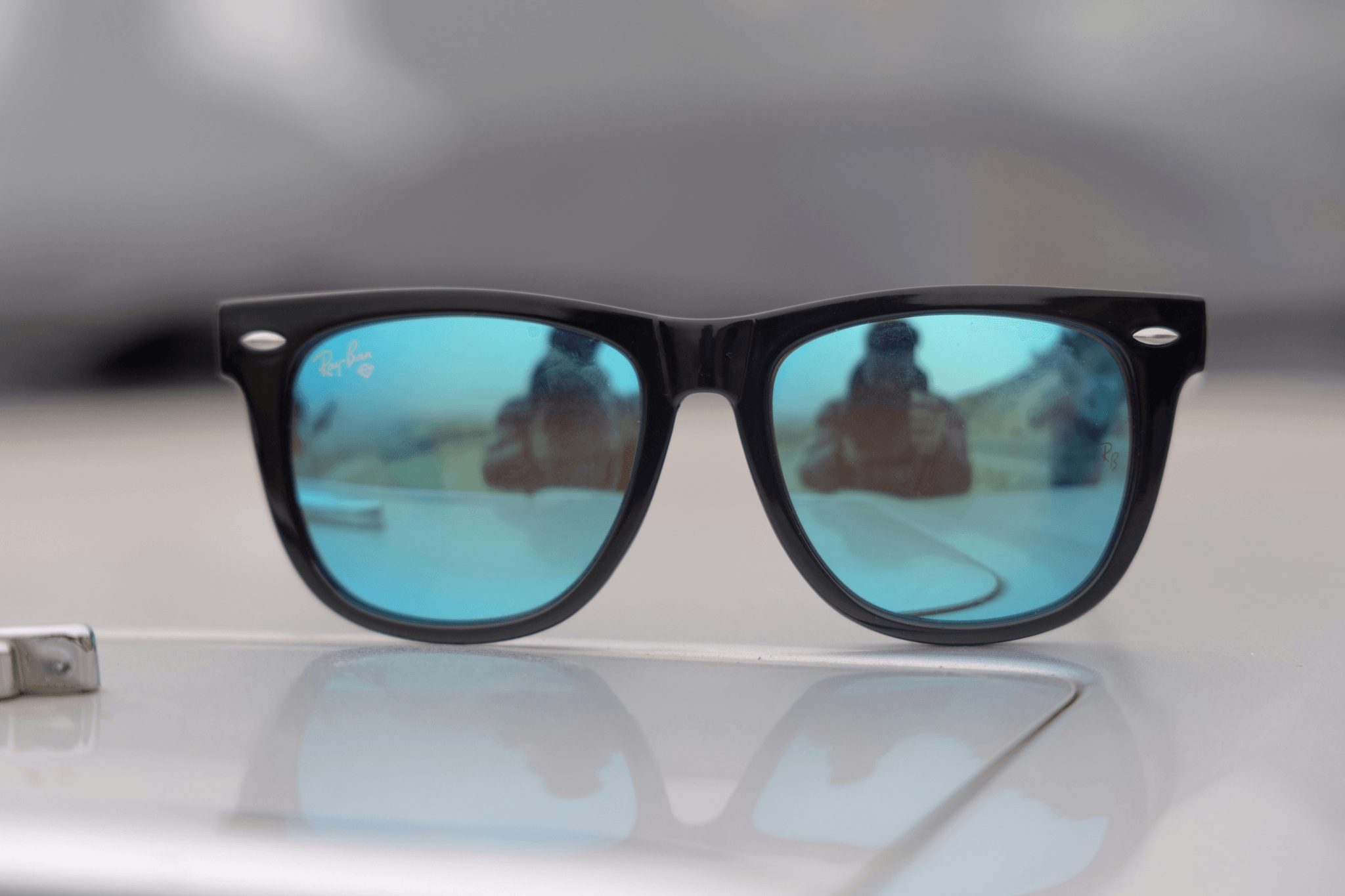
When developing custom made sunglasses, the sampling stage is a critical step that can make or break your product's success. This phase allows you to assess the quality and functionality of your designs before committing to full-scale production. By thoroughly testing samples, you can identify any potential issues early on and ensure that your product aligns with market expectations.
Importance of Sampling in Product Development
Sampling is essential in product development because it provides tangible proof of concept for your custom made sunglasses. It’s during this stage that you can evaluate whether the design meets your brand identity and functional requirements. Moreover, receiving feedback from potential customers during this phase can help refine the product further, ensuring it resonates well with your target audience.
Key Features to Test and Evaluate
When assessing samples from an OEM sunglasses manufacturer, there are several key features to focus on. First and foremost, check the fit and comfort of the custom made sunglasses; they should be snug yet comfortable for various face shapes. Additionally, evaluate lens quality for clarity and UV protection, as these factors significantly influence customer satisfaction—especially when considering why choosing the right manufacturer matters for overall quality assurance.
Anticipating Market Feedback
Anticipating market feedback during the sampling stage is crucial for a successful launch of custom made sunglasses. Engaging with focus groups or conducting surveys can provide valuable insights into consumer preferences regarding style, color options, and features—elements that could set your brand apart in a competitive landscape. By proactively addressing feedback before full production begins, you not only enhance product viability but also mitigate risks associated with poor market reception.
Questions to Ask Before Requesting a Quotation
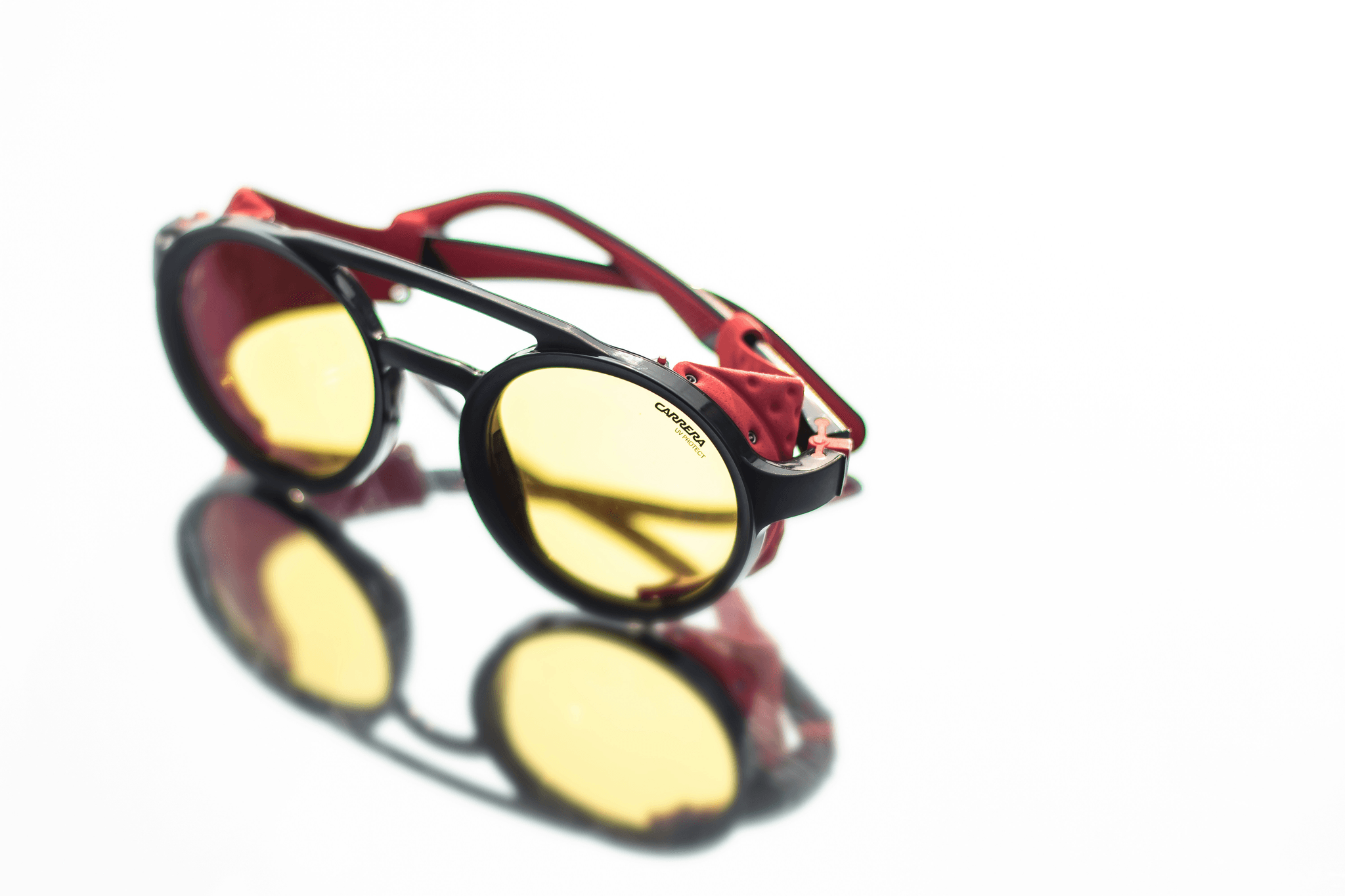
Essential Inquiries for Clarity
Start by asking about the manufacturer’s experience in producing custom made sunglasses. Understanding their expertise will give you insight into what they can deliver and how they align with your brand's vision. Additionally, inquire about their production processes and quality control measures; this will help you gauge whether they adhere to industry standards and if they’re capable of meeting your expectations.
Lastly, ask about their communication practices during production. Will you receive regular updates on progress? Clear communication is crucial for aligning expectations and avoiding misunderstandings throughout the manufacturing process.
Understanding Terms and Conditions
Before signing on any dotted lines, familiarize yourself with the terms and conditions laid out by the manufacturer. This includes payment terms, delivery schedules, and any warranties or guarantees associated with your custom made sunglasses order. A transparent understanding of these elements ensures that both parties are on the same page regarding commitments.
Additionally, inquire about intellectual property rights concerning designs or branding—especially important if you're considering models like OEM vs ODM vs Private Label: Which Model Fits Your Brand? Knowing who holds rights over designs can save you from potential legal issues later on.
Finally, don’t shy away from discussing penalties for missed deadlines or quality failures. Understanding these repercussions helps set a clear framework for accountability within your partnership.
Aligning Expectations and Goals
Alignment between your business goals and those of an OEM sunglasses manufacturer is vital for a successful collaboration. Start by sharing your vision for product launches—what styles you're aiming for and how quickly you plan to market them. This sets a clear expectation regarding timelines that both parties need to adhere to.
Discuss volume requirements as well; knowing how many units you'll need can influence pricing structures significantly. It's also wise to talk about future scalability: if all goes well, how easily can production ramp up?
Finally, ensure that both sides are aligned on quality standards as outlined in 8 Things to Check Before Choosing an OEM Sunglasses Manufacturer. Agreeing on specific benchmarks will help maintain consistency in product quality while also fostering trust throughout your relationship.
Red Flags to Watch For
When venturing into the world of custom made sunglasses, it’s crucial to remain vigilant about potential pitfalls in the manufacturing process. Identifying red flags early can save you a lot of headaches down the road. Whether you're exploring what an OEM sunglasses manufacturer does or comparing OEM vs ODM vs Private Label options, being aware of these signs can help you make informed decisions.
Signs of Potential Issues
One major sign to look for is a lack of transparency in communication; if your inquiries are met with vague responses, that’s a red flag waving frantically. Additionally, if an OEM sunglasses manufacturer is unwilling to provide references or showcase their previous work, it may indicate they have something to hide. Lastly, be cautious if their pricing seems too good to be true—quality custom made sunglasses come at a reasonable cost, and rock-bottom prices often lead to compromised standards.
Due Diligence in Manufacturer Selection
Conducting due diligence is essential when selecting an OEM manufacturer for your custom made sunglasses. This means checking reviews and testimonials from previous clients and verifying their credentials and certifications related to quality control—this ties back into why choosing the right manufacturer matters so much. Furthermore, visit their facility if possible; seeing their operations firsthand can provide valuable insights into their production capabilities and overall professionalism.
Ensuring a Smooth Partnership
To ensure a smooth partnership with your selected manufacturer, establish clear expectations from the get-go regarding timelines, quality standards, and communication protocols. Utilize our guide on the 8 things to check before choosing an OEM sunglasses manufacturer as a checklist during this process—you don’t want any surprises later! Also, keep open lines of communication throughout production; regular updates can help mitigate misunderstandings and maintain trust as you navigate what to test during the sampling stage.
Conclusion
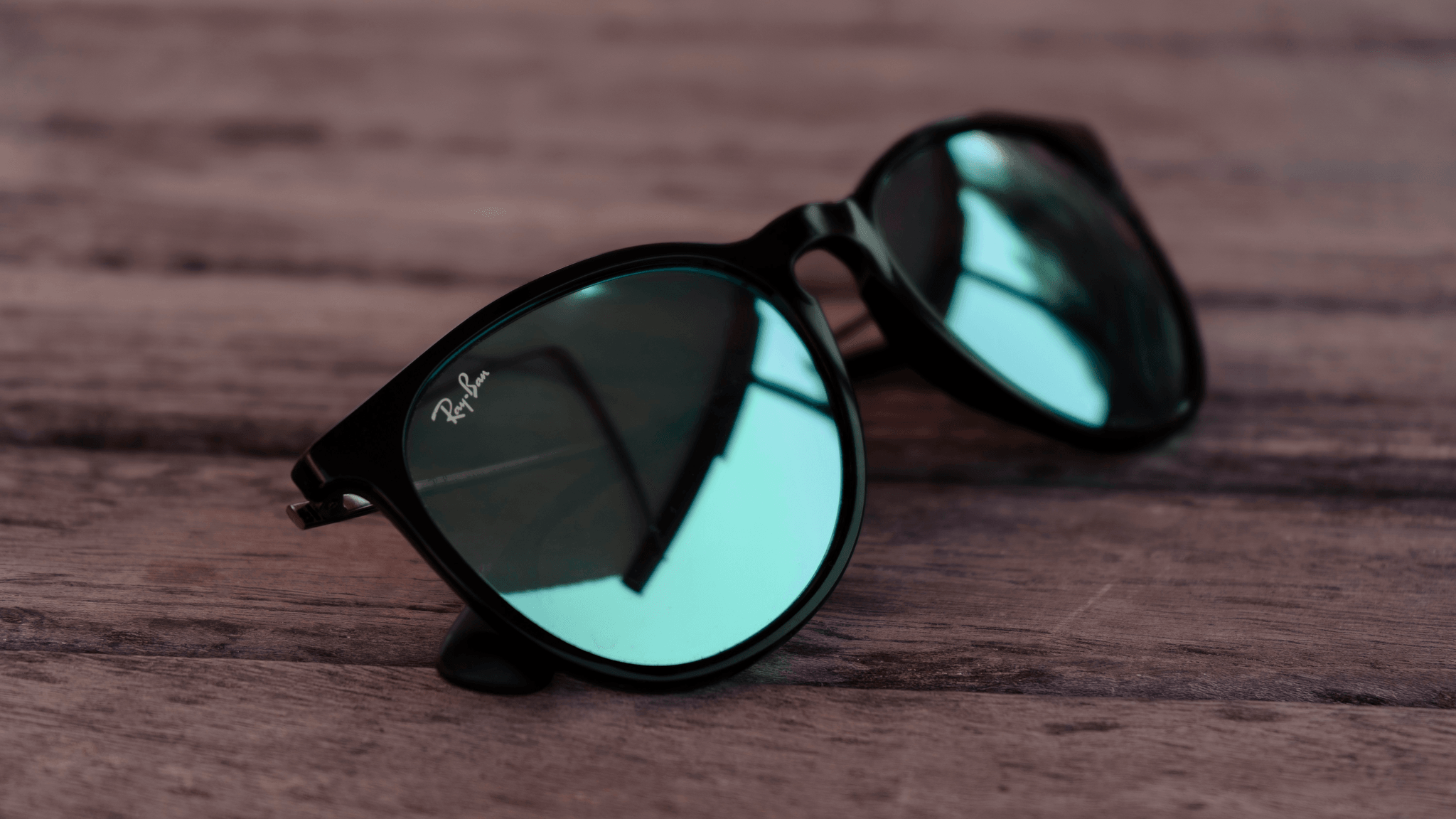
In the world of custom made sunglasses, selecting the right OEM manufacturer can significantly influence your brand's success. As we've explored, understanding what an OEM sunglasses manufacturer does is crucial for aligning your business goals with their capabilities. From differentiating between OEM, ODM, and private label models to recognizing the importance of quality and reliability, every step in this process is vital for building a strong brand identity.
Key Takeaways for Manufacturer Selection
When it comes to choosing a manufacturer for your custom made sunglasses, several key factors should guide your decision-making process. Firstly, ensure you evaluate the manufacturer's capabilities thoroughly; this encompasses their production capacity and lead times—critical elements that affect your market responsiveness. Additionally, keep an eye out for quality certifications; they are not just badges of honor but indicators of a manufacturer's commitment to excellence.
Finding the Right Fit for Custom Made Sunglasses
Finding the right fit in terms of an OEM partner means assessing how well they align with your vision for custom made sunglasses. This involves asking pointed questions about their experience in the eyewear industry and understanding their approach to customization. Remember that a good partnership goes beyond mere transactions—it's about shared goals and mutual growth.
Strategies for a Successful Collaboration with Aisen Optical
To ensure a fruitful collaboration with Aisen Optical or any other manufacturer, proactive communication is key. Establishing clear expectations from day one will help mitigate misunderstandings later on; don't shy away from asking questions before requesting a quotation or during sampling stages. Finally, always be vigilant for red flags throughout your partnership—this diligence can safeguard against potential issues down the line.