
Introduction
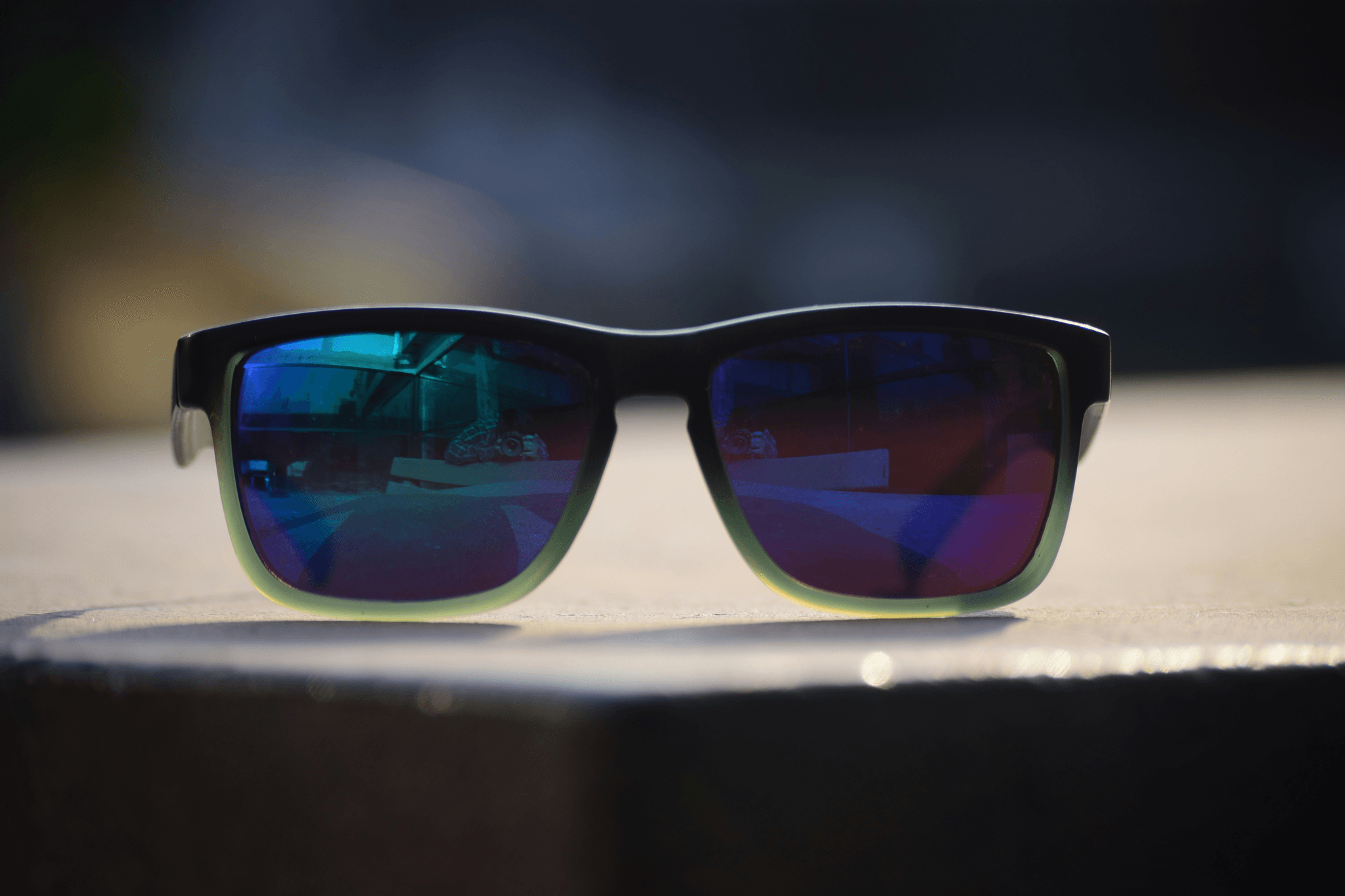
Welcome to the fascinating world of photochromic lenses, where science meets style! These innovative transition lenses offer a seamless solution for those who want the best of both worlds—clear vision indoors and tinted protection outdoors. Understanding photochromic glass is essential to appreciate how these remarkable spectacles are crafted and how they enhance our daily lives.
Understanding Photochromic Glass
Photochromic glass is a special type of lens that darkens in response to UV light, providing users with optimal eye protection from harmful rays while maintaining clear visibility when indoors. This unique technology allows for smooth transitions between various lighting conditions, making photochromic lenses an ideal choice for anyone who spends time both inside and outside. The magic behind this transformation lies in the chemical composition of the lenses, which reacts dynamically to changes in light exposure.
Importance of Photochromic Lenses
The importance of photochromic lenses cannot be overstated; they not only enhance visual comfort but also offer significant eye protection. By automatically adjusting to varying light levels, these transition lenses reduce glare and improve contrast, allowing wearers to enjoy their surroundings without straining their eyes. Additionally, photochromic sunglasses provide an extra layer of defense against UV rays, making them an essential accessory for outdoor enthusiasts and everyday users alike.
Overview of the Production Process
The production process for creating high-quality photochromic spectacles involves several intricate steps that ensure durability and performance. From sourcing raw materials to applying advanced coatings that facilitate photochromic transitions, each phase plays a crucial role in delivering top-notch eyewear. Understanding this process not only highlights the craftsmanship involved but also emphasizes why choosing reputable manufacturers like Aisen Optical can make all the difference in your experience with photochromic lenses.
The Basics of Photochromic Glass

Understanding the fundamentals of photochromic glass is essential for anyone interested in the world of eyewear, especially when it comes to photochromic lenses. These innovative lenses have transformed how we think about vision correction and protection from harmful UV rays. In this section, we’ll dive into what photochromic lenses are, how they transition between different states, and the science that powers photogray lenses.
What Are Photochromic Lenses?
Photochromic lenses are a remarkable type of eyewear that automatically adjust their tint in response to changing light conditions. When exposed to sunlight or UV rays, these transition lenses darken to provide superior protection against glare and harmful radiation. Conversely, they return to a clear state indoors or in low-light environments, making them incredibly versatile for everyday use.
These innovative photochromic spectacles not only offer convenience but also enhance visual comfort by reducing eye strain caused by bright light. This makes them particularly popular among individuals who frequently move between indoor and outdoor settings. With photochromic sunglasses being a trendy choice for both fashion and function, it's no wonder they've become a staple in many people's wardrobes.
How Photochromic Transitions Work
The magic behind photochromic transitions lies in special molecules embedded within the lens material that react to UV light exposure. When these molecules absorb UV rays, they undergo a chemical change that causes them to darken, effectively transforming ordinary glasses into stylish sunglasses within seconds. Once the UV exposure diminishes—like stepping back indoors—the molecules revert to their original state, allowing the lenses to clear up again.
This seamless transition is not just about aesthetics; it also serves an important protective function for your eyes against harsh sunlight and glare. The adaptability of photochromic lenses makes them an ideal choice for outdoor enthusiasts or anyone seeking comfort while navigating varying lighting conditions throughout their day.
The Science Behind Photogray Lenses
Photogray lenses are a specific type of photochromic lens known for their unique ability to darken quickly under sunlight while maintaining clarity indoors. The science behind these lenses involves advanced chemistry that allows them to respond rapidly and efficiently to changes in light intensity. Photogray technology utilizes specialized dyes within the lens material that react instantaneously when exposed to ultraviolet radiation.
Moreover, photogray lenses offer additional benefits such as enhanced contrast and reduced glare without compromising on visual clarity—ideal features for driving or outdoor activities where sharp vision is crucial. As more people recognize the advantages of wearing photochromic sunglasses like photogray options, it's evident that these innovations will continue shaping our approach toward eye care and fashion alike.
Raw Materials Used in Production

The journey to creating high-quality photochromic lenses begins with sourcing the right raw materials. These materials are crucial for ensuring that the lenses can effectively transition between clear and tinted states, providing users with optimal comfort and protection from harmful UV rays. Understanding the components involved in producing photochromic sunglasses is essential for anyone looking to delve into this fascinating field.
Sourcing Raw Materials for Photochromic Lenses
Sourcing raw materials for photochromic lenses involves a careful selection process to ensure quality and consistency. Manufacturers often seek suppliers who can provide high-grade chemicals that facilitate effective photochromic transitions, ensuring that the lenses react appropriately to changing light conditions. The sourcing process also emphasizes sustainability, as many companies strive to minimize their environmental impact while delivering top-notch products like photogray lenses and photochromic spectacles.
In addition, sourcing involves collaboration with trusted partners who specialize in providing innovative materials tailored for specific applications, such as photochromic sunglasses. By maintaining strong relationships with suppliers, manufacturers can secure a steady flow of essential components needed for the production of transition lenses that meet market demands.
Key Chemicals in Photochromic Glass
The magic behind photochromic glass lies in its unique chemical composition. Key chemicals commonly used include silver halide compounds and organic dyes, which enable the lens material to undergo rapid color changes when exposed to UV light. These chemicals work together to create durable and reliable photochromic transitions, allowing wearers of photochromic lenses sunglasses or spectacles to enjoy enhanced visual clarity without sacrificing style.
Moreover, advancements in chemistry have led to the development of new compounds that improve lens performance and longevity. This continuous innovation ensures that modern photogray lenses are not only more effective but also more environmentally friendly than their predecessors.
Role of Aisen Optical in Material Supply
Aisen Optical plays a pivotal role in the material supply chain for manufacturers of photochromic lenses. Known for its commitment to quality and innovation, Aisen Optical provides an extensive range of raw materials specifically designed for producing high-performance transition lenses and sunglasses. Their expertise ensures that manufacturers have access to cutting-edge components necessary for creating top-notch products like photochromic glass sunglasses.
In addition to supplying key chemicals, Aisen Optical collaborates closely with manufacturers throughout the production process, offering technical support and guidance on optimizing material usage. This partnership not only fosters innovation but also ensures that every pair of photochromic spectacles meets stringent quality standards while delivering exceptional performance under various lighting conditions.
The Production Process Explained

Creating photochromic lenses isn't just a walk in the park; it's a meticulous process that combines science, technology, and a dash of artistry. From raw materials to the final product, each step is crucial in ensuring that the transition lenses perform flawlessly under varying light conditions. Let's dive into how these innovative spectacles are brought to life.
Step-by-Step Manufacturing of Photochromic Lenses
The manufacturing of photochromic lenses begins with sourcing high-quality raw materials that will form the foundation of these remarkable products. The process typically starts with mixing specific chemicals that are responsible for the photochromic transitions—these materials react to UV light, allowing the lenses to darken when exposed to sunlight and return to their clear state indoors. Once mixed, this chemical concoction is then shaped into lens forms through molding or casting techniques tailored for both prescription eyewear and stylish photochromic sunglasses.
After shaping, the next step involves applying coatings that enhance durability and scratch resistance while also providing UV protection—a must-have feature for anyone investing in photochromic sunglasses or photogray lenses. Quality assurance checks are integrated at multiple stages throughout production; this ensures that every pair meets stringent standards before they reach consumers. Finally, once all components are assembled and tested, these stunning photochromic spectacles are packaged and shipped out, ready to provide comfort and clarity.
Quality Control Measures in Production
Quality control is paramount in producing reliable photochromic lenses that users can trust day after day. Manufacturers implement rigorous testing protocols at various stages of production—from initial chemical mixing right through to final assembly—to ensure every lens meets high-performance standards for both transition capabilities and optical clarity. This includes exposure tests where lenses undergo simulated sunlight conditions to verify their responsiveness during real-world use.
Additionally, manufacturers often employ advanced technologies such as spectrophotometry to measure light transmission properties accurately—an essential factor for ensuring optimal performance in both indoor and outdoor settings with photochromic sunglasses or regular eyewear options like photogray lenses. Regular audits also help maintain consistency across batches while identifying any potential areas for improvement within the production process itself.
Innovations in Photochromic Spectacles
The world of photochromic spectacles is ever-evolving thanks to continuous innovations aimed at enhancing user experience and functionality. Recent advancements include improved reaction times for transition lenses—meaning they can darken faster when exposed to sunlight—and enhanced durability against scratches or impacts which is vital for active lifestyles requiring reliable eyewear solutions like photochromic sunglasses.
Moreover, new formulations allow manufacturers to create thinner yet stronger lenses without compromising on quality or effectiveness; this means lighter frames without sacrificing those essential features we love about our favorite photogray lenses! Additionally, customization options have expanded greatly—allowing consumers more freedom than ever before when it comes to selecting colors or coatings tailored specifically for their needs while enjoying all benefits offered by modern-day photochromic glass sunglasses.
Benefits of Using Photochromic Lenses

Photochromic lenses have revolutionized the eyewear industry, offering a blend of convenience and functionality that traditional lenses simply can’t match. One of the standout features is their ability to adapt to changing light conditions, providing users with optimal vision whether indoors or outdoors. This adaptability makes photochromic lenses an ideal choice for anyone who spends time moving between different environments.
Advantages of Transition Lenses
Transition lenses are a game-changer for those who require both prescription eyewear and sun protection. With photochromic transitions, these lenses automatically darken in bright sunlight and return to clear indoors, eliminating the need for multiple pairs of glasses. This feature not only enhances convenience but also helps protect your eyes from harmful UV rays, making transition lenses a smart investment for eye health.
Moreover, photochromic lenses offer a stylish solution without compromising on functionality. Whether you're wearing them as photochromic sunglasses or regular spectacles, they seamlessly blend style with practicality. The versatility of transition lenses means you can enjoy outdoor activities without worrying about switching glasses or squinting in bright light.
Comfort and Protection with Photochromic Sunglasses
One of the most significant benefits of photochromic sunglasses is the unparalleled comfort they provide throughout various lighting conditions. Unlike traditional sunglasses that can be too dark indoors or too light outside, photochromic sunglasses adjust their tint based on ambient light levels, ensuring your vision remains comfortable at all times. This dynamic response helps reduce eye strain and fatigue during prolonged exposure to changing lighting.
Additionally, wearing photochromic glass sunglasses offers essential protection against UV radiation and glare from reflective surfaces like water or pavement. By filtering out harmful rays while enhancing visual clarity, these sunglasses allow you to enjoy outdoor activities safely without sacrificing style or comfort. It's no wonder that more people are opting for photochromic spectacles when heading outdoors.
Enhancing Visual Clarity with Photochromic Glass
Photochromic glass not only protects your eyes but also significantly enhances visual clarity across various environments. The technology behind photogray lenses ensures that colors remain vibrant and details sharp whether you’re under direct sunlight or in shaded areas. This enhancement allows wearers to experience their surroundings fully without the distractions caused by glare or fluctuating light conditions.
Furthermore, many users report improved depth perception when using high-quality photochromic lenses due to their adaptive nature—this is particularly beneficial during activities like driving or sports where precision is key. With such advancements in lens technology, it’s clear that investing in quality photochromic spectacles leads to an enriched visual experience every day.
Best Practices for Designing Photochromic Eyewear

Creating top-notch photochromic eyewear isn’t just about slapping some lenses into a frame; it’s an art and a science. The design process should prioritize both aesthetics and functionality, ensuring that photochromic lenses not only look good but also perform exceptionally well in varying light conditions. By focusing on customization, performance optimization, and effective marketing strategies, brands can elevate their photochromic spectacles to new heights.
Customization Options with Aisen Optical
When it comes to designing photochromic eyewear, customization is key, and Aisen Optical offers a plethora of options. Customers can choose from various frame styles that complement different face shapes while integrating the latest in photochromic transitions technology for enhanced user experience. Whether it’s selecting unique colors or adding personalized engravings, these custom features ensure that each pair of photochromic sunglasses stands out while delivering optimal performance.
Additionally, Aisen Optical allows for lens customization based on individual needs—be it prescription adjustments or specific tint preferences for photogray lenses. This level of personalization not only caters to diverse consumer demands but also enhances the overall appeal of the product line. With tailored options available at Aisen Optical, customers are more likely to find their perfect pair of photochromic lenses sunglasses.
Achieving Optimal Performance in Photochromic Sunglasses
To maximize the benefits of transition lenses, achieving optimal performance is essential when designing photochromic sunglasses. This involves selecting high-quality materials that enhance the speed and efficiency of photochromic transitions while ensuring durability against wear and tear. Proper alignment between the lens curvature and frame design also plays a crucial role in delivering comfort along with visual clarity.
Moreover, incorporating advanced coatings can significantly improve glare reduction and UV protection in these innovative spectacles. Such enhancements not only make wearing photochromic glass sunglasses more enjoyable but also contribute to eye health—a major selling point for consumers today seeking comfort alongside style. Ultimately, an investment in quality materials and thoughtful engineering leads to superior performance in every pair of photochromic lenses.
Marketing Strategies for Photocromic Eyewear
Marketing strategies for promoting photochromic eyewear should focus on educating consumers about the unique benefits offered by these innovative products. Highlighting features such as adaptability to changing light conditions can resonate with active individuals who value practicality without sacrificing style—key attributes of modern-day lifestyle choices surrounding photogray lenses or other transition lenses designs.
Utilizing social media platforms effectively can showcase real-life applications through influencer partnerships or user-generated content featuring satisfied customers sporting their favorite pairs of stylish yet functional eyewear—the perfect way to build community around your brand! Additionally, targeted advertising campaigns emphasizing comfort and protection offered by high-quality photochromic sunglasses will attract attention from potential buyers eager for solutions tailored specifically to their needs.
Conclusion
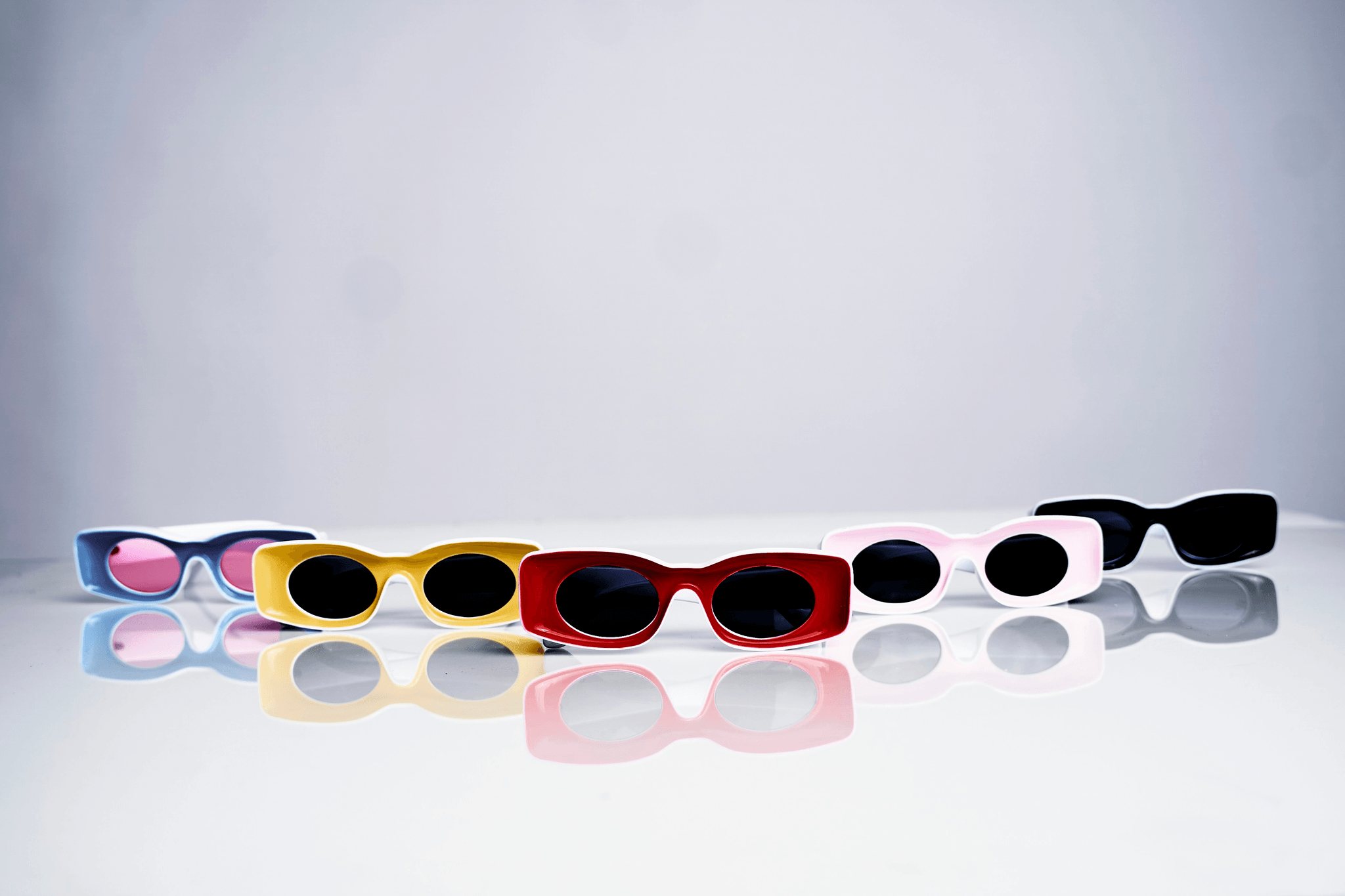
In summary, understanding the production and functionality of photochromic lenses is essential for anyone looking to make informed choices in eyewear. The process involves a sophisticated combination of raw materials, chemical reactions, and innovative manufacturing techniques that lead to high-quality transition lenses. With their ability to adapt to varying light conditions, photochromic spectacles not only enhance visual comfort but also provide essential protection against harmful UV rays.
Recap of the Photochromic Glass Process
The journey of creating photochromic lenses begins with sourcing specific chemicals designed for effective photochromic transitions. These materials undergo a meticulous manufacturing process that ensures the final product meets stringent quality standards while delivering optimal performance. Ultimately, the result is a range of stylish and functional eyewear options, including photochromic sunglasses and photogray lenses, that cater to diverse consumer needs.
The Future of Photochromic Lenses
Looking ahead, advancements in technology promise even greater enhancements in the capabilities of photochromic lenses. Innovations may include faster transition times and improved durability, ensuring these products remain at the forefront of optical solutions. As consumer demand grows for versatile eyewear like photochromic sunglasses that can seamlessly shift from indoor to outdoor use, manufacturers will continue to refine their offerings.
Why Choose Aisen Optical for Your Needs
Aisen Optical stands out as a leader in providing high-quality photochromic lenses tailored to individual preferences and lifestyles. Their commitment to innovation ensures that customers receive cutting-edge products like custom-designed photochromic spectacles or stylish transition lenses that meet modern demands. By choosing Aisen Optical, you’re not just selecting eyewear; you're investing in comfort, protection, and clarity for your eyes.