
Introduction
Understanding your reading power needs by age can help you choose the right reading glasses strength chart for your specific requirements. TL;DR: Your Quick Guide to Reading Power will help you navigate this essential aspect of eye care.
Understanding Reading Power Needs by Age
Our visual capabilities evolve as we age, leading to varying needs for reading glasses strength. The Age-Based Reading Power Chart serves as a handy reference point to estimate the appropriate power based on your age and lifestyle demands. It’s important to recognize that these changes are normal and part of the aging process.
Common Myths About Reading Strength
Many people fall prey to common myths about reading strength, such as believing that stronger glasses are always better or that they should wait until symptoms worsen before seeking help. In reality, understanding the nuances of how age affects vision can empower you to make informed decisions about your eye care. This knowledge allows you to refine your reading power for your life effectively.
The Impact of Age on Vision
Age plays a significant role in our visual acuity, often leading to conditions like presbyopia which affects near vision clarity. As we grow older, our eyes may struggle with focusing on close objects, prompting the need for corrective lenses tailored specifically for reading tasks. Pro Tip: Consider Your Working Distance when selecting lenses—custom readers are often a better choice for those who spend extended periods looking at books or screens.
Age-Based Reading Power Chart
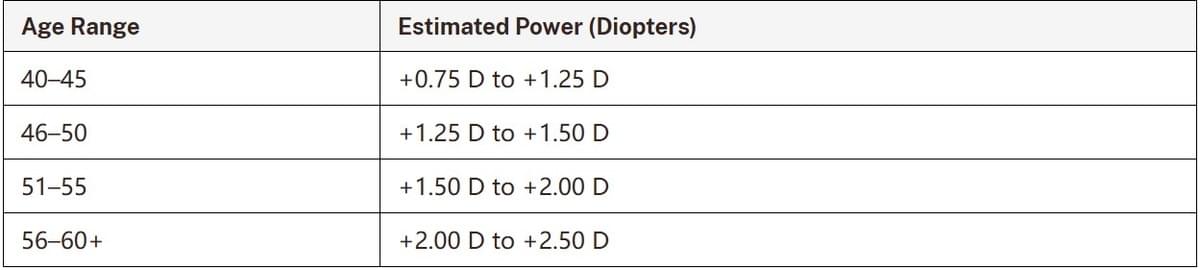
Understanding the relationship between age and reading power is crucial for anyone who finds themselves squinting at fine print or struggling with their favorite novels. This section will provide an insightful look at the reading glasses strength chart, which acts as a handy reference for determining what you might need as time goes on. TL;DR: Your Quick Guide to Reading Power is right here, so let’s dive in!
An Overview of Reading Glasses Strength Chart
The reading glasses strength chart serves as a roadmap for those navigating the often confusing world of vision needs. It categorizes different strengths based on age groups, helping you identify which magnification level may be appropriate for your eyes. By consulting this chart, you can better understand how presbyopia—an age-related condition—affects your ability to read comfortably over time.
How Your Age Affects Reading Power
As we age, our eyes undergo various changes that can impact our reading ability significantly. Typically, individuals in their 40s begin to notice that they require stronger lenses due to decreased flexibility in the eye's lens—a hallmark of presbyopia. The Age and Reading Power Estimation Table illustrates these changes clearly, showing that by your 50s or 60s, you might need even more assistance than before.
Using the Age and Reading Power Estimation Table
The Age and Reading Power Estimation Table is not just another chart; it’s a vital tool for understanding your unique vision needs based on your age group. This table provides a starting point: The Age-Based Reading Power Chart allows you to estimate what strength of reading glasses may work best for you. However, remember that individual variations exist; therefore, it’s wise to consult with an optometrist who can help refine your reading power for your life.
Pro Tip: Consider Your Working Distance when selecting glasses because different tasks may require varying levels of magnification! Why Custom Readers Are Often a Better Choice? Because they cater specifically to your lifestyle and visual demands—ensuring optimal comfort while you read.
Recognizing Common Symptoms of Presbyopia
As we age, our eyes undergo various changes, often leading to a condition known as presbyopia. This gradual loss of the eye's ability to focus on close objects can be frustrating and may prompt the need for reading glasses. Understanding the common symptoms of presbyopia can help you identify when it's time to consult an eye care professional.
Signs You Might Need Reading Glasses
Common symptoms of presbyopia include difficulty reading small print or needing to hold reading material farther away than usual. You might also experience eye strain or fatigue after prolonged periods of close work, such as reading or using a smartphone. If you find yourself squinting more often or relying on bright lighting for detailed tasks, these could be signs that it’s time to check the reading glasses strength chart and consider getting a pair tailored to your needs.
When to Schedule an Eye Exam
It's wise to schedule an eye exam if you notice any signs that suggest you might need reading glasses, especially if these symptoms interfere with daily activities. Regular check-ups are crucial since vision changes can occur gradually and may go unnoticed until they significantly impact your life. The Age and Reading Power Estimation Table can help guide discussions with your optometrist about what kind of prescription might be necessary based on your age and symptoms.
How to Discuss Symptoms with Your Optometrist
When visiting your optometrist, be open about the specific challenges you're facing with your vision; this will help them better understand your situation. Mention any difficulties in focusing on text or how long it takes for your eyes to adjust when switching between distances—this information is invaluable for determining the appropriate reading glasses strength chart for you. Pro Tip: Consider Your Working Distance; discussing how far away you typically read can lead to recommendations tailored specifically for how you live and work.
How to Refine Your Reading Power for Your Life

The right pair of glasses can make a world of difference in your daily activities, whether you're reading a book, scrolling through your phone, or working on the computer. By considering factors like your working distance and opting for custom readers, you can ensure that your vision needs are met effectively.
Consider Your Working Distance
Pro Tip: Consider Your Working Distance when selecting reading glasses! This is the distance at which you typically hold your reading materials—be it a book, magazine, or smartphone. If you're often stretching out those arms trying to find that sweet spot where everything's in focus, it might be time to check the Age and Reading Power Estimation Table to pinpoint the right strength based on your age and habits.
For instance, if you frequently read at arm's length but find yourself squinting more than usual, you may need a different prescription than what’s suggested by the standard reading glasses strength chart. Understanding this personal aspect can help you choose lenses that not only fit well but also enhance your overall reading experience. Remember: comfort is key!
Why Custom Readers Are Often a Better Choice
When it comes to achieving optimal vision with reading glasses, one size does not fit all—this is where custom readers shine! Unlike off-the-shelf options that may not cater specifically to your unique visual needs or working distance, custom readers allow for adjustments tailored just for you. Whether it's specific lens coatings or personalized measurements based on how far or close you read from various devices, these tailored solutions ensure you're seeing clearly without straining.
Moreover, custom readers often take into account common symptoms of presbyopia that many people experience as they age. You don’t want just any pair of glasses; you want ones designed with your lifestyle in mind! So before settling for generic options from the local store, consider investing in custom readers that align perfectly with How to Refine Your Reading Power for Your Life.
When to See an Eye Doctor: Know the Red Flags

While knowing your reading glasses strength chart can help you make informed decisions about your eyewear, there are certain red flags that indicate it’s time to consult an eye doctor. If you find yourself squinting more often or experiencing frequent headaches while reading, these could be signs of worsening vision or presbyopia. Don't ignore the common symptoms of presbyopia; they are your body's way of signaling that it might be time for a check-up.
Another important indicator is if you notice a sudden change in your ability to focus on close objects, especially if it disrupts your daily activities. This could mean that the age and reading power estimation table you’ve been relying on needs a refresh. Remember, early intervention can prevent further complications and ensure that you're using the right tools—like custom readers—to meet your specific needs.
Lastly, if you experience discomfort or visual disturbances such as halos around lights or blurred vision, these symptoms warrant immediate attention from an eye care professional. It’s essential to discuss any changes with your optometrist so they can help refine your reading power for your life and recommend appropriate solutions tailored just for you. Pro Tip: Consider how often you're working at different distances; this will influence what type of eyewear might suit you best!
Frequently Asked Questions (FAQ)
Navigating the world of reading glasses can be a bit bewildering, especially with all the jargon and options available. Here, we tackle some of the most common questions to help you understand your choices better. TL;DR: Your Quick Guide to Reading Power is just around the corner!
Can I just add the reading power to my distance prescription?
While it might seem convenient to simply add reading power to your distance prescription, this isn't always the best approach. The reading glasses strength chart indicates that different focal lengths require tailored solutions for optimal vision. Mixing prescriptions can lead to discomfort and strain, so it's wise to consult with your optometrist for a personalized recommendation.
Is a stronger power always better for reading glasses?
Not necessarily! Many people assume that stronger lenses equate to better vision, but this isn't true when it comes to reading glasses. In fact, choosing a power that's too strong can cause headaches and eye fatigue—definitely not what you want while trying to enjoy your favorite book! Remember the age and reading power estimation table as a guideline; it's there for a reason.
What is the difference between computer glasses and reading glasses?
Computer glasses are specifically designed for screen use, offering protection from blue light and providing an optimal focal length for digital devices. On the other hand, traditional reading glasses focus on printed material at closer distances. If you're spending long hours in front of screens, consider how to refine your reading power for your life; you may find that custom readers are often a better choice!