
Introduction
Ray-Ban sunglasses have long been a symbol of style and sophistication, but the origins of this iconic brand are steeped in intrigue. As enthusiasts and consumers alike embark on the global quest for Ray-Ban origins, questions arise about where these fashionable lenses are manufactured. The journey begins with an exploration of the myth surrounding Made in Italy, a label that evokes quality yet invites scrutiny regarding its authenticity in today's diverse manufacturing landscape.
The Global Quest for Ray-Ban Origins
In an age where branding is paramount, understanding where Ray-Bans are manufactured becomes crucial for discerning consumers. The allure of Italian craftsmanship often overshadows the reality that production has expanded beyond its traditional roots to include various countries, notably China. This shift raises questions about how brands can diversify production without diluting their heritage while keeping innovation aligned with quality standards.
Exploring the Made in Italy Myth
The phrase Made in Italy carries significant weight; it conjures images of artisanal skill and meticulous attention to detail. However, as we delve deeper into the manufacturing practices behind Ray-Bans, we find that this myth may not capture the entire story. While some models are indeed crafted in Italy, others emerge from factories across the globe, prompting discussions about consumer perceptions and expectations tied to quality control at every step.
The Role of Aisen Optical in Production
Enter Aisen Optical—a key player in the eyewear industry that significantly contributes to Ray-Ban's production dynamics. By providing OEM and ODM services, Aisen helps streamline manufacturing processes while maintaining rigorous quality assurance through inspections. Their involvement illustrates how brands can leverage external expertise to enhance their offerings without compromising on authenticity or craftsmanship.
The History of Ray-Ban Manufacturing
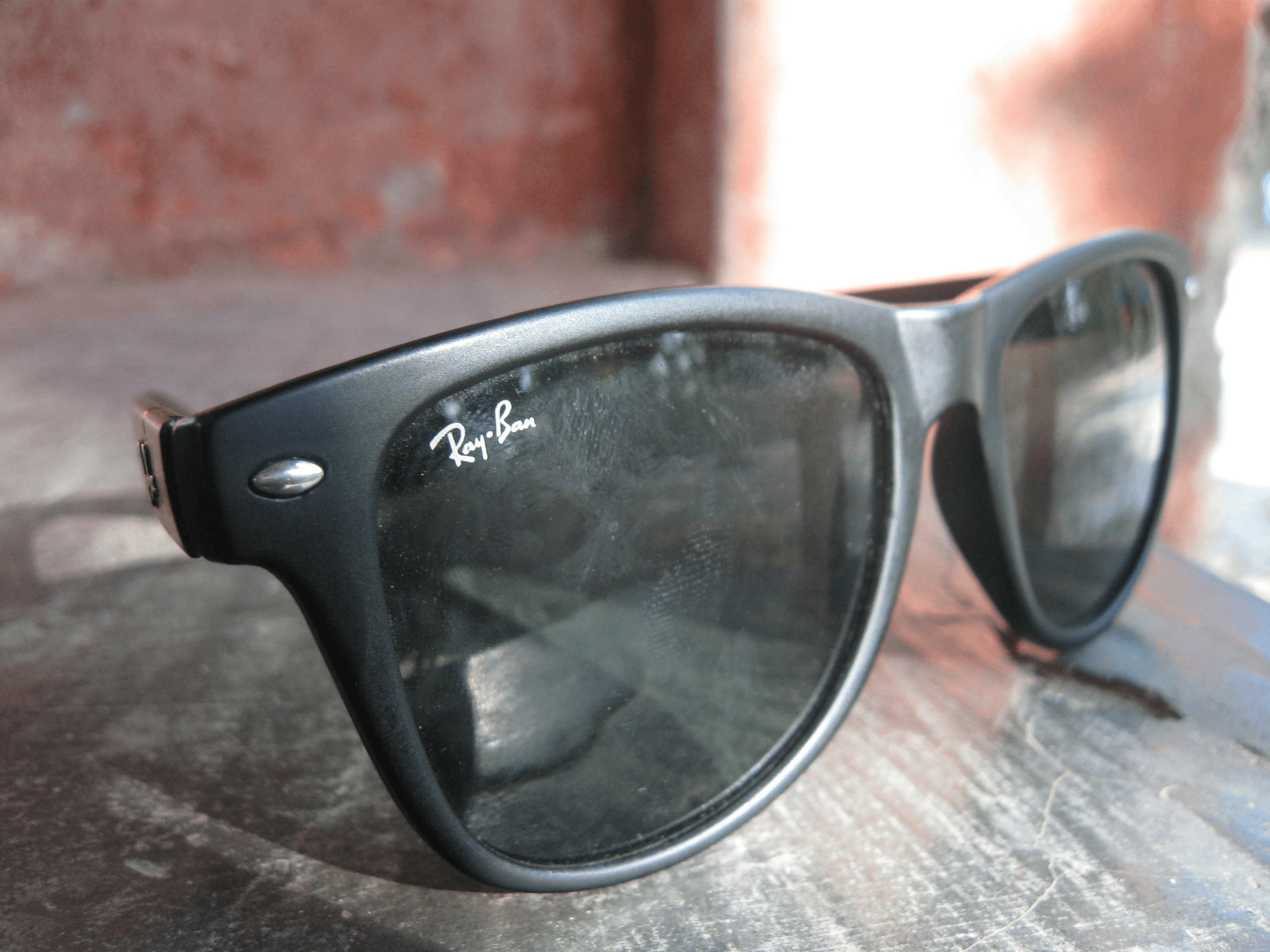
Ray-Ban has a storied history that reflects the evolution of eyewear from its inception to the modern day. Founded in 1937 by Bausch & Lomb, the brand quickly gained traction with its innovative designs aimed at aviators and outdoor enthusiasts. The early production was characterized by handcraftsmanship and a commitment to quality, paving the way for what would become a global icon in sunglasses.
Founding and Early Production
In its early days, Ray-Ban focused on creating sunglasses that combined style with functionality. The original Aviator model was designed for pilots but soon became a fashion statement across various demographics. This initial success laid the groundwork for future manufacturing practices that emphasized quality and craftsmanship, setting high standards that would resonate through decades.
Transition to Global Manufacturing
As demand for Ray-Bans soared, so did the need to expand production capabilities beyond American borders. This transition marked a significant shift in how Ray-Bans were manufactured; it became essential to explore where Ray-Bans are manufactured globally while ensuring that brand integrity remained intact. The role of China in Ray-Ban production became increasingly prominent as manufacturers sought ways to diversify production without diluting the brand's reputation for quality.
Iconic Models Through the Years
Throughout its history, Ray-Ban has introduced numerous iconic models that have defined eyewear trends over generations. From Wayfarers to Clubmasters, each model reflects a unique blend of heritage and innovation, showcasing how the brand has adapted while keeping its roots firmly planted in quality craftsmanship. Today, as consumers inquire about where Ray-Bans are manufactured, they can appreciate not only their stylish appeal but also the meticulous processes behind each pair—where control quality at every step is paramount.
Where Are Ray-Bans Manufactured?
The brand's legacy is intertwined with various global manufacturing hubs, each contributing to the unique character of the iconic sunglasses. Understanding these locations sheds light on how Ray-Ban maintains its reputation for quality and style.
Italy: The Heart of Production
Italy has long been celebrated as the heart of Ray-Ban production, where craftsmanship meets tradition. Many classic models are still produced here, embodying a rich heritage that resonates with consumers seeking authenticity in their eyewear choices. This Italian connection allows Ray-Ban to control quality at every step, ensuring that each pair reflects the brand's commitment to excellence.
The allure of “Made in Italy” is not just about location; it’s about a philosophy that combines artistry and innovation. Skilled artisans meticulously handcraft frames using premium materials, which enhances both aesthetics and durability. This dedication to craftsmanship keeps heritage and innovation aligned, making Italian-made Ray-Bans a coveted choice for fashion enthusiasts around the globe.
China’s Growing Influence
While Italy remains central to Ray-Ban's identity, China’s growing influence in production cannot be ignored. As demand for affordable luxury eyewear increases, many brands have turned to Chinese manufacturers for their efficiency and scalability. The role of China in Ray-Ban production highlights a strategic shift towards diversifying production without diluting the brand's essence.
In recent years, some models have been produced in China under stringent quality control measures that mirror those established in Italy. This means consumers can still expect high standards from Chinese-made sunglasses while benefiting from lower price points. By leveraging China's manufacturing capabilities, Ray-Ban ensures accessibility without compromising on style or performance.
Other Manufacturing Locations
Beyond Italy and China, Ray-Ban has also explored other manufacturing locations across Europe and Asia to meet global demand effectively. Countries like India and Brazil have emerged as additional hubs where specific models are crafted with care and precision. Each site contributes uniquely to the overall fabric of where are Ray-Bans manufactured while adhering to strict quality assurance guidelines.
These diverse manufacturing locations allow Ray-Ban to adapt quickly to market trends while maintaining its commitment to craftsmanship and design integrity. By spreading production across multiple regions, the brand can respond more agilely to consumer needs without sacrificing its core values or aesthetic appeal. Ultimately, this strategy supports a broader vision of sustainability within eyewear manufacturing by optimizing resources globally.
Behind the Scenes: The Manufacturing Process
From the initial selection of materials to the final quality checks, every step is crucial in determining where Ray-Bans are manufactured and how they uphold their legendary status. Understanding this intricate process provides insight into why these sunglasses remain a favorite among consumers worldwide.
Material Selection and Sourcing
The journey begins with material selection, which is paramount in defining the quality of Ray-Ban sunglasses. High-grade plastics, metals, and coatings are sourced from trusted suppliers to ensure durability and comfort. The role of China in Ray-Ban production has become significant as manufacturers seek to diversify production without diluting the brand's heritage; however, premium materials are still prioritized to maintain that signature quality.
Ray-Bans often utilize advanced materials that not only enhance style but also improve functionality—think polarized lenses for optimal UV protection. This careful sourcing ensures that each pair meets rigorous standards before they even enter the crafting phase. Ultimately, this attention to detail sets Ray-Bans apart in an oversaturated market where many brands compromise on quality.
Craftsmanship in Sunglasses Making
Once materials are selected, skilled artisans take over to craft each pair of sunglasses with precision. The craftsmanship involved in making Ray-Bans is nothing short of remarkable; it combines traditional techniques with modern technology to create durable yet stylish eyewear. This balance allows manufacturers to keep heritage and innovation aligned while ensuring that every frame meets consumer expectations.
Workers meticulously assemble components by hand, paying close attention to details like fit and finish—elements that can make or break a pair of sunglasses' appeal. Each model reflects a commitment to excellence, showcasing why consumers often ask where are Ray-Bans manufactured when searching for quality eyewear options. This dedication not only results in stunning designs but also reinforces brand loyalty among enthusiasts who appreciate fine craftsmanship.
Quality Control Measures
Quality control measures play an essential role in maintaining high standards throughout the manufacturing process—a critical aspect for any reputable brand like Ray-Ban. From initial inspections during assembly through rigorous testing phases, brands strive to control quality at every step before reaching retailers or consumers’ hands. These measures ensure that any defects or inconsistencies are caught early on, thereby safeguarding the integrity associated with Ray-Ban products.
Moreover, as production expands globally—including increased operations in China—maintaining these stringent quality checks becomes even more vital for consumer trust and satisfaction. By implementing advanced inspection technologies alongside traditional methods, manufacturers can uphold their reputation while adapting to changing market demands effectively. Ultimately, these practices ensure that regardless of where they’re made—be it Italy or elsewhere—the essence of what makes a true Ray-Ban remains intact.
Aisen Optical's Contribution to Eyewear

When it comes to eyewear manufacturing, Aisen Optical stands out as a key player in the industry. Their expertise in Original Equipment Manufacturer (OEM) and Original Design Manufacturer (ODM) services has made them a vital partner for brands like Ray-Ban. This contribution not only helps maintain quality but also allows brands to diversify production without diluting the brand.
OEM and ODM Services Explained
Aisen Optical’s OEM services allow companies to produce sunglasses under their own brand name, while ODM services provide complete design solutions from concept to finished product. This flexibility is crucial for brands wanting to explore where are Ray-Bans manufactured without sacrificing their unique identity. By leveraging these services, companies can keep heritage and innovation aligned, ensuring that every pair of sunglasses tells a story while meeting modern demands.
The Role of China in Ray-Ban Production cannot be overlooked either; many brands rely on Chinese manufacturing capabilities to meet global demand efficiently. With Aisen Optical's support, they can tap into advanced technologies and skilled labor that enhance production efficiency and quality control at every step. This dual approach allows for a seamless blend of traditional craftsmanship with contemporary design trends.
Quality Assurance Through Inspections
Quality assurance is paramount in eyewear production, especially when dealing with iconic brands like Ray-Ban. Aisen Optical implements rigorous inspection protocols throughout the manufacturing process to ensure that each pair meets high standards before reaching consumers’ hands. By controlling quality at every step, they help maintain the reputation associated with Made in Italy products while also addressing concerns about other manufacturing locations.
The meticulous approach taken by Aisen not only safeguards against defects but also reinforces consumer trust in products bearing the Ray-Ban name. Each inspection phase acts as a checkpoint that ensures durability and style are never compromised—qualities that customers expect from premium eyewear brands. Thus, whether it's produced in Italy or China, consumers can feel confident knowing that quality remains uncompromised.
Supporting Startups and Small Businesses
Aisen Optical doesn't just cater to established brands; they actively support startups and small businesses looking to make their mark in the eyewear industry too. By offering scalable solutions tailored for various budgets, they empower new entrants who might be unsure about where are Ray-Bans manufactured or how they can enter such a competitive market.
This commitment fosters innovation within the sector as fresh ideas come from diverse sources rather than being limited only to big names like Ray-Ban or others known for their long-standing legacy in eyewear craftsmanship. Moreover, by collaborating with smaller players, Aisen ensures that heritage remains relevant while adapting innovative techniques—a delicate balance between tradition and modernity.
In conclusion, Aisen Optical plays an instrumental role in shaping the future of eyewear through its comprehensive services and unwavering commitment to quality assurance while supporting emerging talents within this vibrant industry landscape.
The Impact of Manufacturing Location on Quality
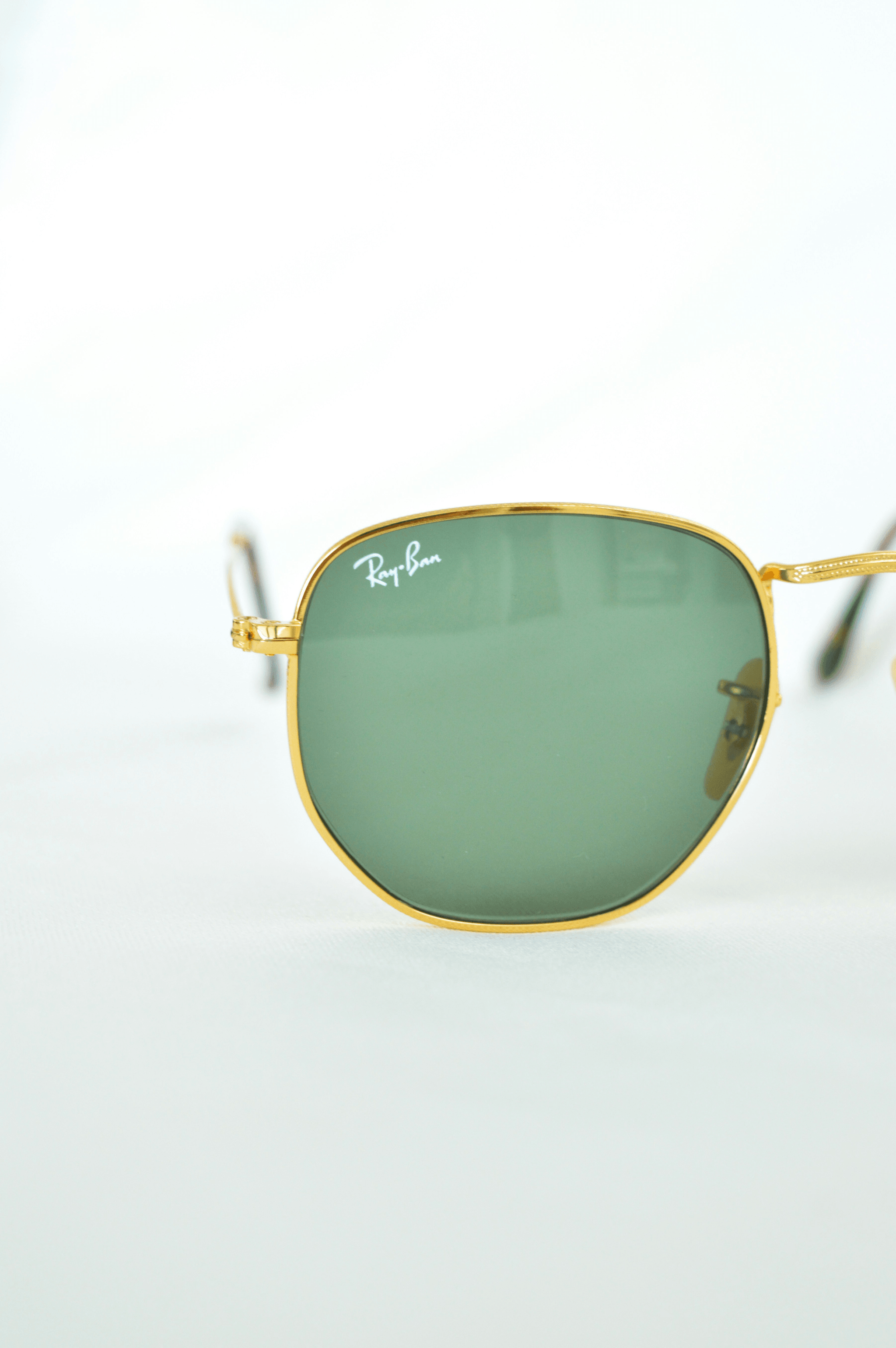
When it comes to eyewear, the location of manufacturing can significantly influence quality. Different countries have varying production standards and practices, which can either enhance or detract from the final product. For Ray-Ban, understanding where Ray-Bans are manufactured is essential for maintaining their iconic status while adapting to global markets.
How Geography Affects Production Standards
The geography of manufacturing plays a crucial role in determining production standards for eyewear. Countries like Italy have long been synonymous with high-quality craftsmanship, particularly in luxury goods; this reputation helps Ray-Ban maintain its premium image. On the other hand, as The Role of China in Ray-Ban Production continues to grow, brands must ensure they control quality at every step to avoid diluting their hard-earned reputation.
In addition to craftsmanship, local regulations and labor practices also impact production quality. Countries with stringent labor laws and environmental regulations tend to produce higher-quality goods that align with consumer expectations for ethical manufacturing. As Ray-Ban diversifies production without diluting the brand's essence, balancing these geographical factors becomes increasingly important.
Consumer Perception of Made in Italy
The phrase Made in Italy carries significant weight among consumers who associate it with luxury and high-quality products. For many fans of Ray-Ban sunglasses, knowing where Ray-Bans are manufactured often leads them to favor those produced in Italy over alternatives made elsewhere. This perception creates a strong emotional connection between consumers and the brand while reinforcing its heritage.
However, as more production shifts to countries like China or other regions, brands must work diligently to keep heritage and innovation aligned. Consumers may question whether sunglasses made outside of Italy can meet their expectations for quality and style. Thus, transparent communication about the manufacturing process is essential for maintaining trust among loyal customers.
Sustainability and Ethical Considerations
Sustainability has become an increasingly pressing issue within the fashion industry—and eyewear is no exception. As consumers become more environmentally conscious, they often scrutinize where Ray-Bans are manufactured as part of their purchasing decisions. Brands that prioritize sustainable practices not only appeal to eco-friendly shoppers but also contribute positively to global efforts against climate change.
Moreover, ethical considerations around labor practices cannot be overlooked when discussing manufacturing locations in eyewear production. Ensuring fair wages and safe working conditions should be paramount regardless of where products are made; this commitment helps bolster brand integrity while resonating with socially conscious consumers. By keeping sustainability at the forefront alongside quality control at every step, brands like Ray-Ban can thrive amid evolving market demands.
Conclusion

As we wrap up our exploration of Ray-Ban's manufacturing journey, it’s clear that the brand's legacy is intricately tied to its production origins. The question of where are Ray-Bans manufactured leads us through a fascinating narrative that combines tradition with modernity. From the iconic Italian craftsmanship to the emerging role of China in Ray-Ban production, understanding this legacy helps consumers appreciate their sunglasses on a deeper level.
Understanding Ray-Ban’s Manufacturing Legacy
Ray-Ban has built a reputation not just on style but on quality, which is largely rooted in its manufacturing practices. The brand's commitment to control quality at every step ensures that each pair of sunglasses meets high standards, whether crafted in Italy or produced elsewhere. As we see the role of China in Ray-Ban production grow, it becomes essential for the company to diversify production without diluting the brand’s heritage and values.
Choosing the Right Sunglasses for You
When it comes to selecting your next pair of shades, understanding where they are made can influence your decision significantly. Whether you prefer classic Italian designs or are open to innovations from other regions, knowing how quality is maintained across different manufacturing locations will guide your choice. Remember that balancing style with durability means considering not just aesthetics but also how well brands like Ray-Ban keep heritage and innovation aligned.
The Future of Eyewear Manufacturing
Looking ahead, eyewear manufacturing is likely to evolve even further as globalization continues to reshape industries. With advancements in technology and sustainable practices becoming more prevalent, brands must navigate these changes while maintaining their essence—just like Ray-Ban has done over decades. Ultimately, as consumers become more discerning about where their products come from and how they’re made, companies will need to adapt while ensuring they control quality at every step.