
Introduction
Choosing the right frame material for your eyewear can feel like navigating a maze without a map. With an overwhelming variety of options available, understanding different frame materials is crucial for anyone looking to invest in prescription glasses or stylish eyeglass glasses. Among the most popular choices are acetate and TR90, each boasting unique characteristics that cater to various needs and preferences.
Understanding Different Frame Materials
Frame materials play a significant role in the overall experience of wearing eyewear glasses. Acetate, a plant-based plastic, offers vibrant colors and patterns, while TR90 is known for its lightweight and flexible properties. By familiarizing yourself with these materials, you can make an informed decision when purchasing eyeglass glasses online or at your local optical shop.
Why Frame Choice Matters
The choice of frame material can impact not just aesthetics but also comfort and durability of your eyewear glasses. A well-chosen frame will enhance your style while ensuring your prescription glasses fit comfortably throughout the day. Whether you’re browsing eye glasses online or trying on pairs in-store, understanding how different materials affect wearability is essential.
Overview of Acetate and TR90
Acetate frames are celebrated for their rich color palettes and ability to be molded into various shapes, making them a favorite among fashion-forward individuals seeking stylish eyewear options. On the other hand, TR90 frames offer remarkable durability and flexibility—ideal for those leading active lifestyles or requiring sturdy eyeglass frames that withstand daily wear and tear. In this guide, we’ll dive deeper into both acetate and TR90 to help you determine which tr glasses material suits your needs best.
What is Acetate?

Acetate is a popular frame material widely used in eyewear, particularly in stylish eyeglass glasses. This versatile plastic is derived from cellulose, a natural polymer found in plants, making it a more eco-friendly option compared to many synthetic materials. The manufacturing process involves dissolving cellulose into a viscous solution that can be molded into various shapes and colors, allowing for endless customization in eyewear glasses.
Composition and Manufacturing Process
The composition of acetate primarily consists of cellulose acetate, which is produced by the acetylation of cellulose fibers derived from wood pulp or cotton. This sustainable source not only reduces environmental impact but also provides a lightweight yet durable material for eyeglass frames. The manufacturing process typically involves heating the acetate sheets and then shaping them using molds to create distinctive frame designs that appeal to fashion-forward individuals.
Benefits of Acetate Frames
One of the standout benefits of acetate frames is their incredible versatility in design; they can be crafted into an array of shapes and styles that suit any face type or personal taste. Additionally, acetate frames are known for their comfort; they are lightweight and hypoallergenic, making them ideal for everyday wear, especially when wearing prescription glasses for extended periods. Furthermore, this tr glasses material offers excellent color retention and can be produced in vibrant patterns or solid hues that make eyewear glasses truly pop.
Popular Brands Using Acetate
Numerous leading eyewear brands have embraced acetate as their go-to material due to its stylish appeal and durability. Some notable names include Ray-Ban, Oliver Peoples, and Warby Parker—each offering unique designs that showcase the potential of acetate frames while prioritizing comfort and quality in their eyeglass collections. When shopping for glasses online or eye glasses online, you'll likely encounter these brands prominently featuring acetate options that cater to both trendy aesthetics and practical needs.
What is TR90?

TR90 is a revolutionary material that has made waves in the eyewear industry, particularly for those seeking durable and lightweight frames. This thermoplastic material is notable for its flexibility and resilience, making it an excellent choice for both everyday wear and active lifestyles. If you’re on the hunt for stylish yet practical eyeglasses online, TR90 might just be your new best friend.
Composition and Manufacturing Process
TR90 glasses material is composed primarily of a nylon-based polymer, which contributes to its unique properties. The manufacturing process involves heating the polymer to a malleable state, allowing it to be molded into various frame designs without losing strength or durability. This innovative approach not only enhances comfort but also ensures that each pair of eyeglass glasses can withstand the rigors of daily use.
Benefits of TR90 Frames
One of the standout benefits of TR90 frames is their incredible lightweight nature; they feel almost weightless on your face, making them perfect for those long days when you forget you’re even wearing eyewear glasses! Additionally, their flexibility means that they can bend without breaking, providing an extra layer of durability that many other materials lack. With TR90 frames, you get a combination of comfort and resilience—ideal for anyone who wears prescription glasses regularly or enjoys outdoor activities.
Leading Brands in TR90 Eyewear
Several leading brands have embraced TR90 as their go-to tr glasses material due to its numerous advantages. Brands like Oakley and Ray-Ban offer stylish options made from this innovative material that cater to various tastes and preferences in eyewear fashion. Shopping for eye glasses online has never been easier with these recognizable names offering high-quality frames designed to last while keeping you looking chic.
Comparing Durability
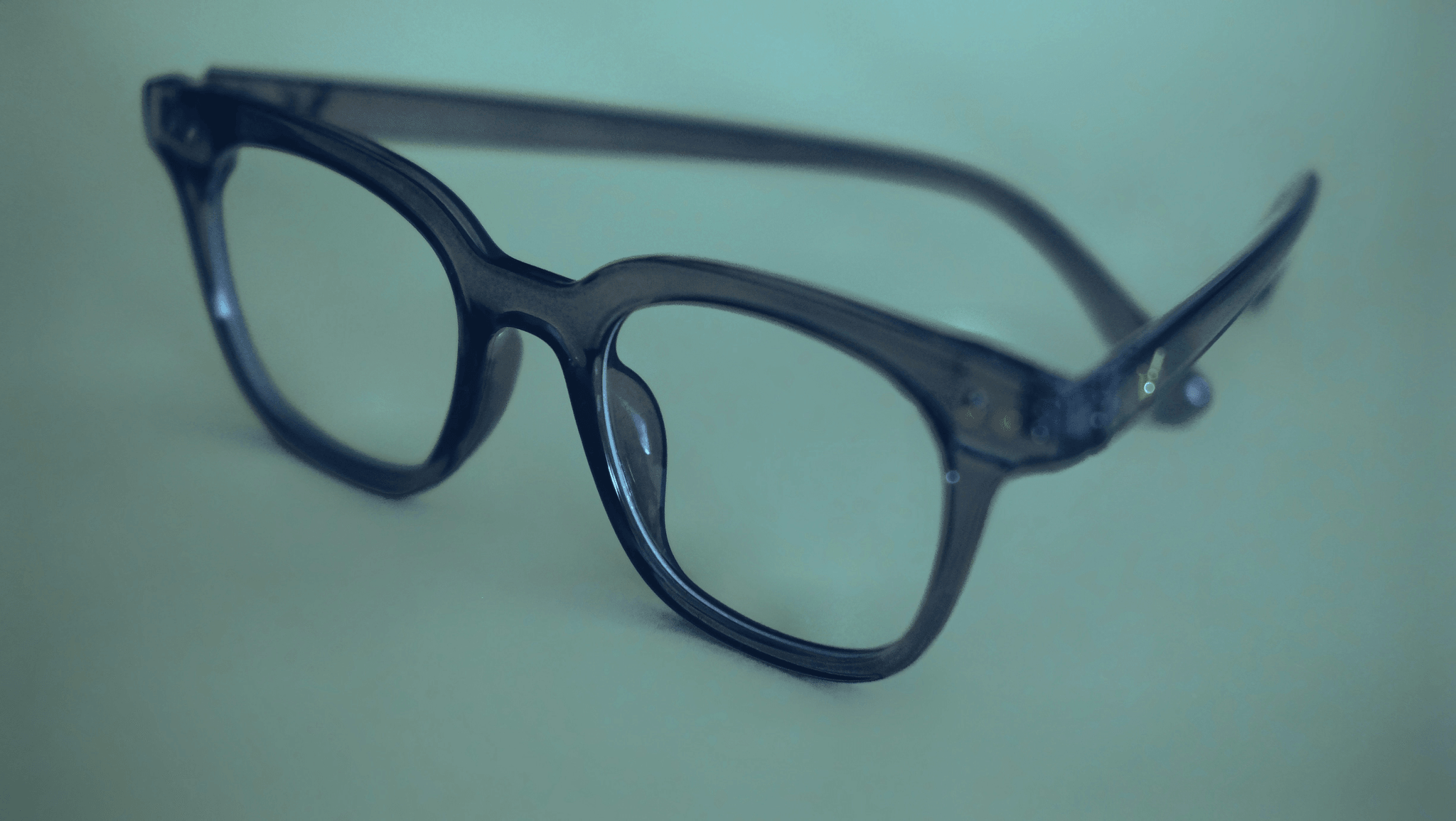
When it comes to choosing the right frame in eyeglasses, durability is a significant factor that can influence your decision. Both acetate and TR90 have their strengths, but how do they stack up against each other? Let's dive into the nitty-gritty of these two popular eyewear materials.
Acetate vs. TR90: Which Lasts Longer?
Acetate is renowned for its robust nature and resilience, making it a favorite in the eyewear industry. However, TR90 glasses material offers impressive durability as well; it's designed to withstand wear and tear better than many traditional materials. Ultimately, while both options can last a long time with proper care, TR90 might edge out acetate in terms of sheer longevity due to its unique properties.
Impact Resistance and Flexibility
When you’re talking about impact resistance, TR90 often takes the crown—this material is known for its flexibility and ability to return to shape after bending or twisting. Acetate frames are less flexible but provide decent impact resistance; however, they can be more prone to cracking under extreme stress. If you lead an active lifestyle or have kids who might mishandle your eyewear glasses, considering a pair made from TR90 could save you from frequent replacements.
Real-World Examples of Frame Longevity
In real-world scenarios, many users report that their TR90 prescription glasses remain intact even after years of daily use—think about those wild adventures where your glasses might take a tumble! On the other hand, while acetate frames may not always hold up as well under similar conditions, brands like Ray-Ban showcase how quality craftsmanship can extend their life significantly when cared for properly. Ultimately, both materials have their loyal fans; it just depends on how much wear you plan on putting your eyeglass glasses through.
Weight and Comfort
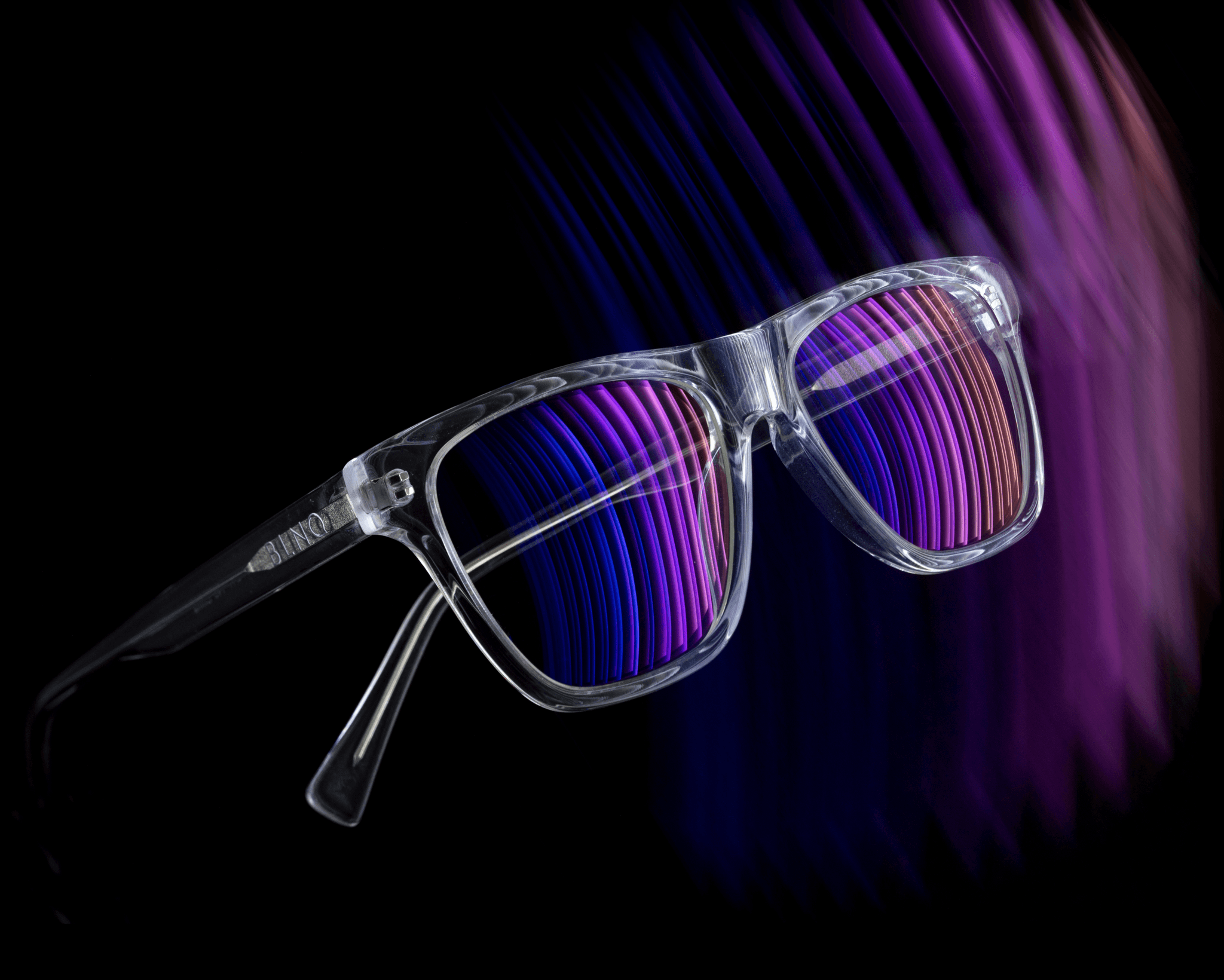
When it comes to choosing eyewear glasses, weight and comfort are crucial factors that can significantly influence your daily experience. Both acetate and TR90 have their unique characteristics that affect how they feel when worn. Understanding these differences can help you make an informed choice, especially when shopping for prescription glasses online.
How Do Acetate and TR90 Feel?
Acetate frames tend to have a slightly heavier feel compared to the lightweight nature of TR90 glasses material. This heft can lend a sense of quality and durability but might not be ideal for all-day wear, especially for those who prefer ultra-light eyewear glasses. On the flip side, TR90 is known for its feather-like weight, making it a popular choice among those who prioritize comfort in their eyeglass glasses.
The soft texture of acetate provides a warm touch against the skin, which many users find appealing, while TR90 has a more flexible quality that adapts well to different head shapes. This flexibility also means that TR90 frames can often sit comfortably without pinching or digging into the sides of your head. Ultimately, both materials offer distinct sensory experiences that cater to different preferences in eyewear.
Ideal Uses for Each Frame Type
Acetate frames shine in fashion-forward settings where style is paramount; they are perfect for creating bold statements with vibrant colors and intricate designs. If you're looking to make an impression at social gatherings or want your eyeglasses to reflect your personality, acetate is the way to go! However, if you're more active or require something durable yet comfortable throughout long hours of wear—like during workouts or outdoor activities—TR90 is typically the better option.
For those who spend long hours on screens or require prescription glasses for work purposes, lightweight TR90 frames may enhance comfort during extended use without causing fatigue. Conversely, if you’re attending events where aesthetics matter more than function—think art shows or dinner parties—opting for stylish acetate frames will keep you looking chic while still providing vision correction through prescription lenses.
User Reviews on Comfort
User reviews consistently highlight how comfortable TR90 eyewear feels throughout the day due to its lightweight design and flexibility; many describe them as barely there. People appreciate how this tr glasses material allows them to forget they're even wearing eyeglasses online! Meanwhile, those who favor acetate often praise its sturdiness but note that it may take some time to adjust if they’re not used to heavier frames.
Many customers report finding their sweet spot with both materials; some prefer rotating between styles based on their daily activities—using light TR90 frames during busy workdays while opting for stylish acetate when heading out socially. Ultimately, personal preference plays a significant role in comfort levels; trying on various styles is always recommended before committing!
Style and Aesthetics

When it comes to eyewear, the frame you choose can say a lot about your personal style. Acetate and TR90 both offer unique design features that cater to different tastes and preferences. Whether you're looking for something bold and colorful or sleek and understated, both materials have plenty to offer in the realm of eyeglass glasses.
Design Variety: Acetate vs. TR90
Acetate frames are renowned for their versatility in design, allowing for intricate patterns and shapes that can elevate any outfit. From oversized cat-eye styles to retro round frames, acetate can be molded into almost any form, making it a favorite among fashion-forward individuals seeking statement pieces in their eyewear glasses collection. On the other hand, TR90 offers a more minimalist aesthetic with its streamlined designs, appealing to those who prefer a modern look without compromising comfort.
TR90's lightweight nature means that even its simplest designs tend to feel more substantial on the face than they actually are, making them ideal for everyday wear. While acetate may boast an extensive range of artistic designs, TR90 frames often come with the advantage of being less prone to breakage due to their flexible properties. Ultimately, whether you lean towards bold acetate styles or sleek TR90 options will depend on how you want your eyeglasses prescription glasses to reflect your personality.
Color Options and Customization
One of the standout features of acetate is its ability to showcase vibrant colors and unique patterns through various manufacturing techniques. You’ll find everything from solid hues that pop against neutral outfits to tortoiseshell prints that add depth and character—perfect for anyone looking for eye-catching eyewear glasses. Meanwhile, TR90 frames often come in classic colors like black or navy blue but also offer some fun shades thanks to advancements in coloring technology.
Customization options further enhance the appeal of both materials; many brands allow consumers to mix and match colors or even engrave personal touches on their frames. This level of personalization means you can truly make your eyeglasses online shopping experience reflective of who you are! Whether it's choosing a funky color combination in acetate or opting for a sleek matte finish in TR90, there’s no shortage of ways to express yourself through eyewear.
Impact on Eyewear Trends
The materials used in eyeglasses have always influenced trends within the fashion industry—and acetate has been at the forefront for quite some time now! With its rich textures and endless pattern possibilities, it's no wonder that many designers gravitate towards acetate when creating stylish collections each season. Alternatively, as we see more active lifestyles becoming mainstream, TR90 has gained traction due to its durability and lightweight feel—perfect for those who need reliable performance from their eyewear glasses during sports or outdoor activities.
As consumers become increasingly aware of sustainability issues surrounding frame materials, both acetate (which is biodegradable) and innovative uses of TR90 (often made from recycled materials) are likely shaping future trends as well! The growing demand for eco-friendly options could lead brands toward new innovations while still keeping style at the forefront—ensuring that whether you're sporting stylish acetates or durable tr glasses material like TR90, you'll always look chic while being conscious about your choices.
Conclusion
In the world of eyewear, choosing the right frame material can significantly impact your style, comfort, and overall satisfaction with your glasses. Whether you lean towards acetate or TR90, understanding their unique properties will help you make an informed decision. Ultimately, selecting the right frame in eyeglasses is about balancing durability, comfort, and aesthetics to find what suits you best.
Key Takeaways on Frame Materials
Acetate is a popular choice for those who value style and customization in their eyeglass glasses. It offers a rich variety of colors and patterns while providing a lightweight feel that many users appreciate. On the other hand, TR90 glasses material shines in terms of flexibility and resilience, making it ideal for active lifestyles or those prone to accidents with their eyewear glasses.
Choosing the Right Frame for You
When selecting your next pair of prescription glasses online or at a store, consider how each frame type aligns with your lifestyle needs. If you're looking for something stylish yet sturdy enough to withstand daily wear-and-tear, acetate may be your go-to option. However, if you're after something ultra-lightweight and flexible that can handle all sorts of adventures without breaking easily—TR90 might just be the perfect fit!
Explore Eyewear Options at Aisen Optical
Ready to dive into stylish frames? Aisen Optical has an impressive selection of both acetate and TR90 options available online! Browse through our extensive range of eye glasses designed to suit every taste—your perfect pair awaits!