
Introduction
Choosing the right reading glasses can feel like a daunting task, especially when you consider the myriad of options available. Whether you're struggling to read fine print or find yourself squinting at your favorite novel, understanding the need for reading glasses is crucial. With the right pair, not only can you enhance your vision but also elevate your style.
Understanding the Need for Reading Glasses
As we age, our eyes undergo natural changes that often lead to difficulty focusing on close objects—a condition known as presbyopia. This is where reading glasses come into play; they help correct this common issue and make reading more enjoyable. Knowing when to seek out eyeglasses reading glasses can significantly improve your daily life, allowing you to read comfortably without straining your eyes.
The Importance of Correct Prescription
A wrong prescription can lead to discomfort and may even worsen your vision over time. Learning how to read your glasses prescription correctly ensures that you choose lenses tailored specifically for your needs, making every page turn a pleasure rather than a chore.
Options for Non-Prescription Glasses
If you're hesitant about getting a full prescription or just need something for occasional use, non-prescription glasses are an excellent alternative. These glasses with readers are widely available and come in various styles and strengths, catering to different vision needs without breaking the bank. Exploring these options allows you to enjoy clear vision without committing to a prescribed solution—perfect for those who want flexibility in their eyewear choices.
Identifying Your Vision Needs

Understanding your vision needs is the first step in choosing the right eyewear. Whether you're considering reading glasses, prescription glasses, or non-prescription options, knowing what works best for you is essential. This section will help you distinguish between different types of glasses and identify when you might need them.
The Difference Between Reading and Prescription Glasses
Reading glasses are specifically designed to assist with close-up tasks like reading or sewing, while prescription glasses cater to a broader range of vision issues, including distance vision problems. If you find yourself squinting at your favorite book or struggling with fine print, reading glasses may be the answer. However, if you're experiencing difficulties seeing both near and far distances clearly, a comprehensive eye exam might reveal that you need prescription glasses instead.
When to Consider Non-Prescription Options
Non-prescription glasses can be a great alternative for those who only need assistance with reading or other close-up activities without the complexities of a full prescription. If you occasionally find it challenging to read menus or books but don’t have chronic vision problems, non-prescription reading glasses could be your best bet. These options offer convenience and affordability while still providing clarity where you need it most.
Evaluating Signs You Need Eyeglasses
Recognizing the signs that indicate it's time for eyeglasses is crucial in maintaining your eye health. Common indicators include frequent headaches from straining to see clearly, difficulty focusing on small text, or even feeling fatigued after extended periods of reading or screen time. If these symptoms resonate with you, it’s wise to consult an optometrist who can guide you through understanding your specific needs and whether reading glasses or prescription options are more suitable.
How to Choose the Right Style
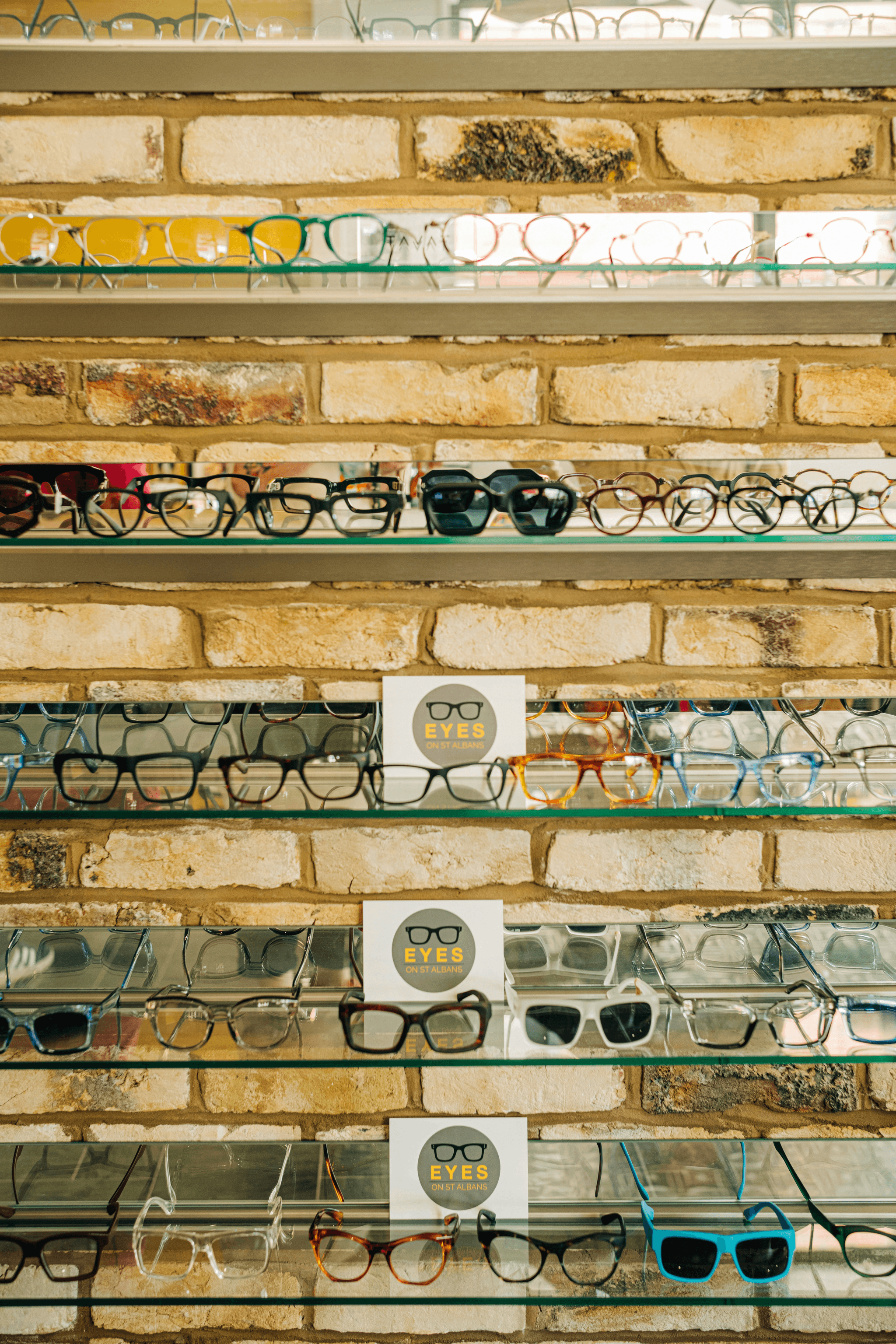
Choosing the right style of reading glasses is not just about functionality; it’s also an opportunity to express your personality. With countless options available, you can find a pair that suits your face shape, complements your wardrobe, and makes you feel confident while reading. Let’s dive into how to choose the perfect pair of eyeglasses reading glasses that not only fit well but also look fabulous.
Frame Shapes That Flatter Your Face
When considering reading glasses, how to choose the right frame shape is crucial for both comfort and aesthetics. Oval frames tend to soften angular features, while rectangular frames can add definition to round faces. If you have a heart-shaped face, cat-eye styles can highlight your cheekbones beautifully, making them a popular choice among fashion-forward readers.
Don’t forget about proportions—larger frames may overwhelm smaller faces, while petite frames might get lost on larger features. It’s all about balance! So grab those glasses with readers and try on different shapes until you find one that feels just right.
Materials for Comfort and Durability
The materials used in your reading glasses can significantly affect their comfort and durability over time. Lightweight plastic or metal frames are often favored for everyday wear because they provide comfort without sacrificing style. Look for options made from hypoallergenic materials if you have sensitive skin or allergies; this ensures that your eyeglasses reading glasses won't irritate you during long reading sessions.
Additionally, consider the durability of the material—acetate is known for its resilience and ability to retain color vibrancy over time, while titanium offers a sleek look with impressive strength. Remember, finding non-prescription glasses that meet both aesthetic desires and practical needs will keep you happy in the long run!
Trends in Reading Glasses Fashion
Fashion trends in reading glasses are constantly evolving; keeping up with them can help ensure you’re sporting a stylish look as well as functional eyewear. In recent years, oversized frames have made a comeback alongside retro-inspired designs featuring bold colors and patterns—perfect for those who want their eyeglasses reading glasses to make a statement!
Another trend gaining traction is eco-friendly eyewear made from sustainable materials; this not only looks good but also feels good knowing you're making environmentally conscious choices when selecting your prescription glasses prescription or non-prescription options.
Understanding the Prescription
Navigating the world of eyeglasses can be overwhelming, especially when it comes to understanding your glasses prescription. Whether you're looking for reading glasses or prescription glasses, knowing how to read your prescription is essential for making informed choices. This section will demystify the process and highlight the importance of consulting an optometrist.
How to Read Your Glasses Prescription
Reading a glasses prescription can feel like deciphering a secret code, but it’s simpler than it seems! Typically, your prescription will include values for sphere (SPH), cylinder (CYL), and axis among others. These numbers indicate the strength of your lenses; if you need reading glasses, you'll want to pay particular attention to these details to ensure you choose the right pair.
When looking at your prescription, SPH indicates whether you are nearsighted or farsighted—important if you're considering non-prescription glasses as well. CYL measures astigmatism while the axis tells you where that correction is needed in degrees. If this sounds confusing, don’t worry; learning how to read your glasses prescription takes practice!
Key Numbers in Your Prescription Explained
The key numbers in your glasses prescription are crucial for understanding what type of lenses you'll need for optimal vision correction. The SPH value tells you how strong your lenses should be; negative values indicate nearsightedness while positive values point towards farsightedness. For those seeking reading glasses specifically, this number is vital as it directly impacts how well you'll see text up close.
Next up is CYL and axis—these numbers help correct astigmatism by providing additional lens curvature where it's needed most. If these terms sound foreign, rest assured that they’re common components of eyeglasses reading glasses prescriptions! Lastly, don’t forget about pupillary distance (PD), which ensures that your lenses align perfectly with your eyes.
The Role of an Optometrist in Your Choice
An optometrist plays a pivotal role in helping you choose the right reading glasses or prescription eyewear tailored specifically for you! They not only conduct eye exams but also interpret those mysterious numbers on your glass prescriptions so you can make informed decisions about which frames and lenses suit you best. When considering options like non-prescription glasses or stylish frames with readers built-in, having professional guidance can save time and frustration.
Optometrists can also provide valuable insights into current trends in eyeglasses fashion while ensuring that comfort isn’t sacrificed for style! They’ll help clarify any doubts regarding lens types and coatings tailored for specific needs—like blue light filtering if you're frequently on screens. Ultimately, their expertise empowers you to confidently choose reading glasses that enhance both vision and personal style.
Exploring Lens Options

When it comes to selecting the right reading glasses, understanding the various lens options available can make all the difference in your comfort and clarity. Whether you’re looking for prescription glasses or non-prescription glasses, knowing what types of lenses are out there will help you make an informed choice. In this section, we’ll dive into the types of lenses suitable for reading glasses, important coatings and treatments to consider, and how lens thickness can impact your overall experience.
Types of Lenses for Reading Glasses
Reading glasses typically come in a few different types of lenses designed to enhance your vision while focusing on close-up tasks. The most common type is single-vision lenses, which provide a uniform prescription across the entire lens surface—perfect for those who need help with reading or other close work. For those who may require both distance and near vision correction without switching between multiple pairs of eyeglasses, bifocal or progressive lenses could be an ideal solution.
If you’re leaning towards non-prescription glasses, look for options that offer magnification tailored to your needs; these can often be found in drugstores or online retailers. Additionally, some brands offer specialized reading glasses that cater to specific activities like computer work or crafting, ensuring you have the best visual support wherever you go. Understanding how to choose the right type of lens will empower you to find reading glasses that truly enhance your experience.
Coatings and Treatments to Consider
When selecting eyeglasses for reading purposes, coatings and treatments can significantly improve both functionality and comfort. Anti-reflective (AR) coating is highly recommended as it reduces glare from screens and overhead lights—ideal if you're often caught squinting at a computer screen while wearing reading glasses. Additionally, blue light blocking technology has gained popularity as it helps reduce eye strain caused by prolonged exposure to digital devices.
Scratch-resistant coatings are another essential feature that increases durability; after all, nobody wants their new pair of readers scratched after just a few days! If you're prone to smudges or fingerprints (who isn't?), consider getting an easy-clean treatment that makes maintenance hassle-free. By exploring these additional features when choosing your prescription glasses or non-prescription alternatives, you'll ensure they keep performing well over time.
The Impact of Lens Thickness on Comfort
Lens thickness plays a crucial role in both comfort and aesthetics when selecting your reading glasses. Thicker lenses may be necessary if you have a strong prescription; however, they can sometimes feel heavier on your nose or ears—definitely something worth considering! On the other hand, thinner lenses made from high-index materials can provide better comfort without compromising optical quality.
Choosing lightweight frames paired with thinner lenses might be particularly appealing if you're going for style while also prioritizing comfort—after all, no one wants their fashion statement weighing them down! Remember that understanding how to read your glasses prescription will also guide you in determining which lens thickness is appropriate based on your unique vision needs. Ultimately, finding that perfect balance between style and comfort ensures you'll wear those eyeglasses with pride!
The Best Places to Buy

When it comes to purchasing reading glasses, the options can be overwhelming. You can choose between local optical stores and online retailers, each offering unique advantages. Understanding how to choose the right avenue for your needs is essential for ensuring you find the perfect pair of eyeglasses reading glasses that suit your style and budget.
Local Stores vs Online Options
Local optical stores provide a personal touch that online shopping often lacks. You can try on various frames in person, ensuring that they fit comfortably and flatter your face shape—an essential factor when choosing reading glasses. Additionally, knowledgeable staff can guide you through understanding your glasses prescription and help you make informed decisions about non-prescription glasses as well.
On the other hand, online options often boast a wider selection of styles and prices that might fit your budget better. Shopping from home allows you to browse at your leisure without feeling pressured by salespeople, which some may find liberating when deciding on reading glasses how to choose. However, it's crucial to ensure you're aware of return policies before making a purchase, just in case those frames don't turn out as expected.
Ultimately, whether you opt for local stores or online options depends on what matters most to you: personal service or convenience and variety? Whichever route you take, ensure you're clear on how to read your glasses prescription if you're considering prescription options or if you're looking at non-prescription alternatives like readers.
Recommended Brands like Aisen Optical
Known for their stylish designs and high-quality materials, Aisen Optical offers a range of eyeglasses reading glasses that cater to different tastes and budgets. Their commitment to comfort means you'll find options that not only look great but also feel good during extended use—perfect for those long reading sessions!
In addition to Aisen Optical, other reputable brands include Warby Parker and Zenni Optical; both provide fashionable styles while maintaining affordability. These brands offer an array of choices in terms of frame shapes and lens types so that anyone can find their ideal pair of reading glasses easily. Plus, many have user-friendly websites where you can learn about how to choose the right pair based on your specific needs.
Before settling on a brand or style, it's wise to read customer reviews or seek recommendations from friends who have experience with various eyeglasses reading glasses brands. This will give you insights into comfort levels and durability—two crucial factors when selecting new eyewear.
Benefits of Custom Designs for Your Brand
Custom-designed reading glasses offer an exciting opportunity for personal expression while meeting functional needs too! Opting for custom designs allows individuals to select frame colors, materials, shapes—and even add personalized engravings—creating a unique accessory tailored specifically for them! When considering how to choose reading glasses that reflect your personality while providing optimal comfort is key; custom designs combine both aspects seamlessly.
Additionally, custom designs often allow users greater flexibility regarding lens types as well; whether you're interested in prescription lenses or non-prescription readers with stylish flair! This ensures every aspect—from aesthetics down through functionality—is catered specifically towards enhancing individual vision needs without sacrificing style points along the way!
In today's market filled with cookie-cutter solutions everywhere we look; investing in custom-designed eyewear elevates not just our visual clarity but also our sense of self-expression through fashion-forward choices!
Conclusion
In summary, choosing the right reading glasses can significantly enhance your daily life and reading experience. With a myriad of options available, from stylish frames to non-prescription glasses, it's essential to understand what suits your vision needs best. By following the guidelines outlined in this guide, you can confidently navigate the world of eyeglasses reading glasses.
Choosing Reading Glasses with ConfidenceConsider factors such as frame shape, lens type, and whether you need prescription glasses or are opting for non-prescription options. Remember that confidence is key; a pair of well-chosen glasses not only improves your sight but also complements your personal style.
Tips for Maintaining Your Glasses
Proper maintenance of your reading glasses is crucial for longevity and optimal performance. Always clean your lenses with a microfiber cloth and appropriate cleaner to avoid scratches that could impair visibility. Additionally, store your eyeglasses reading glasses in a protective case when not in use to prevent damage from accidental drops or exposure to dust.
When to Reassess Your Vision Needs
It’s important to periodically reassess your vision needs as they may change over time due to various factors such as age or lifestyle changes. If you find yourself squinting more often or struggling with clarity while reading, it may be time for an updated prescription or even new non-prescription glasses. Regular eye exams are essential; they ensure that you have the correct glasses prescription how to read and help identify any underlying issues that may require attention.