
Introduction
Choosing the right lenses for your glasses can feel like navigating a maze of options, but understanding the types of glasses lens material is key to making an informed decision. With various materials available, each offering unique benefits and drawbacks, it’s essential to know how these choices impact your vision and comfort. From polycarbonate lenses to high index lenses, this guide will illuminate the world of eyewear materials.
Understanding Glasses Lens Material Choices
When it comes to glasses and lenses, the material used can significantly influence both performance and aesthetics. The types of glasses lens material range from traditional glass to modern synthetic options like polycarbonate optics and high index lenses. Each type has its own set of characteristics that cater to different lifestyles and visual needs.
Importance of Lens Material in Eyewear
The importance of lens material in eyewear cannot be overstated; it affects not only durability but also weight, clarity, and protection from UV rays or impacts. For example, polycarbonate eyeglasses are known for their resilience while remaining lightweight, making them a popular choice for active individuals. On the other hand, high index optical lenses offer a sleek profile without compromising on vision quality—perfect for those who prefer stylish frames.
Overview of Popular Lens Options
In this exploration of popular lens options, we will delve into four primary types: polycarbonate lenses, high index lenses, classic glass lenses, and Trivex lenses. Each option presents its own advantages tailored to specific needs—whether you're seeking lightweight comfort or robust protection against everyday wear-and-tear. By understanding these materials better, you’ll be equipped to choose the perfect pair that suits your lifestyle.
The Basics of Lens Material
When it comes to eyewear, understanding the different types of glasses lens material is crucial for achieving both comfort and clarity. Glasses and lenses are not just about style; the materials used significantly impact performance, durability, and overall visual experience. In this section, we’ll dive into the fundamental aspects of lens materials that every eyewear enthusiast should know.
What Are Lens Materials?
Lens materials refer to the various substances used to create the optical components of glasses. Common types include polycarbonate lenses, high index lenses, glass lenses, and Trivex lenses. Each material has its unique properties that cater to different vision needs and lifestyle preferences, making it essential to choose wisely when selecting lenses on glasses.
How Material Affects Vision
The choice of lens material can dramatically affect how well you see and how comfortable your glasses feel during daily activities. For instance, polycarbonate optical lenses are known for their lightweight nature and impact resistance—ideal for active lifestyles or safety eyewear. On the other hand, high index lenses offer a thinner profile while still providing excellent vision correction for stronger prescriptions; this makes them a popular choice among those seeking both style and function.
Common Terminology in Lens Material
Navigating through types of glasses lens material can be confusing without understanding some common terminology associated with them. Terms like index of refraction describe how light bends as it passes through different materials—higher indices indicate thinner lenses that can correct vision effectively without bulkiness. Additionally, you might come across terms like UV protection or anti-reflective coating, which highlight features that enhance comfort and safety in your eyewear experience.
1. Polycarbonate Lenses: The Durable Choice
When it comes to types of glasses lens material, polycarbonate lenses stand out as a top contender. Known for their impact resistance and lightweight nature, polycarbonate optical lenses have become a favorite among various eyewear enthusiasts. These lenses are crafted from a unique thermoplastic material that not only provides durability but also enhances comfort in everyday wear.
Features of Polycarbonate Lenses
Polycarbonate lenses are renowned for their robust features, making them an ideal choice for many wearers. One of the standout characteristics is their remarkable impact resistance; they are 10 times more resistant to impact than standard plastic lenses. Additionally, polycarbonate optical lenses offer built-in UV protection, safeguarding your eyes from harmful rays while you enjoy the great outdoors.
Benefits of Polycarbonate Eyeglasses
The benefits of polycarbonate eyeglasses extend beyond just durability; they also cater to a variety of lifestyles and preferences. For those who lead active lives or engage in sports, these lightweight lenses reduce fatigue and discomfort during prolonged use. Furthermore, polycarbonate eyeglasses are often thinner than traditional plastic or glass options, providing a sleek look without sacrificing strength—perfect for anyone who values both style and substance.
Ideal Uses for Polycarbonate Optics
Polycarbonate optics shine in numerous scenarios where safety and performance are paramount. They are particularly favored in environments like construction sites or laboratories where eye protection is crucial due to potential hazards. Additionally, parents often choose polycarbonate lenses for children's glasses because they can withstand rough handling while ensuring clear vision—truly a win-win situation!
2. High Index Lenses: Slim and Stylish
When it comes to choosing the right lenses on glasses, high index lenses stand out as a popular option for those seeking both style and functionality. These lenses are crafted from materials with a higher refractive index than standard plastic or glass, allowing them to bend light more efficiently. This means that high index lenses can be made thinner and lighter, making them an appealing choice for anyone tired of bulky eyewear.
What Are High Index Lenses?
High index lenses are specially designed optical lenses that provide superior vision correction while maintaining a sleek profile. The term high index refers to the lens material's ability to bend light more effectively than traditional options like polycarbonate lenses or standard plastic. As a result, they offer an excellent solution for individuals with stronger prescriptions who want to avoid the thick, heavy look often associated with higher corrective powers in glasses and lenses.
Advantages of High Index Optical Lenses
One of the most significant advantages of high index optical lenses is their slim design, which allows for more comfortable wear without sacrificing visual clarity. Additionally, these types of glasses lens material often come with anti-reflective coatings that enhance clarity by reducing glare—perfect for driving at night or working in bright environments. Furthermore, high index lenses are typically lighter than their polycarbonate counterparts, making them ideal for all-day wear without discomfort.
Who Should Consider High Index Lenses?
High index lenses are particularly beneficial for individuals with strong prescriptions who desire stylish eyewear without the bulkiness associated with traditional options. If you find yourself squinting through thick frames or feeling weighed down by heavy glasses and lenses, it might be time to explore this elegant alternative. Whether you're looking for fashionable frames or simply want to improve your comfort level while wearing polycarbonate eyeglasses or other types of glasses lens material, high index options could be your perfect match.
3. The Classic: Glass Lenses
When it comes to types of glasses lens material, glass lenses have stood the test of time, offering a classic choice for eyewear enthusiasts. Known for their clarity and scratch resistance, glass lenses provide exceptional optical quality that many find hard to match. Their weight and sturdiness make them a favorite among those who prioritize durability alongside performance.
Characteristics of Glass Lenses
Glass lenses are typically made from a higher density material compared to other options like polycarbonate lenses or high index lenses. This density contributes to their remarkable optical clarity, providing sharp vision without distortion. Additionally, glass is naturally more resistant to scratches than many plastic alternatives, making it an appealing choice for those who want longevity in their eyewear.
Pros and Cons of Glass Lenses
While glass lenses boast impressive optical quality and scratch resistance, they do come with some drawbacks that should be considered when choosing among various types of glasses lens material. One major con is their weight; glass lenses tend to be heavier than polycarbonate optics or Trivex options, which can lead to discomfort during prolonged wear. Furthermore, if dropped or subjected to impact, glass can shatter more easily than its polycarbonate counterparts—an essential factor for active lifestyles.
Where Glass Lenses Shine
Glass lenses truly shine in specific scenarios where visual clarity is paramount—such as in professions requiring precise vision like photography or surgery. They are also favored by individuals who prioritize aesthetic appeal; the traditional look and feel of glass can complement various styles beautifully. For those willing to trade off some convenience for superior optics, choosing glass over polycarbonate eyeglasses can be a rewarding decision.
4. Trivex Lenses: The Lightweight Alternative
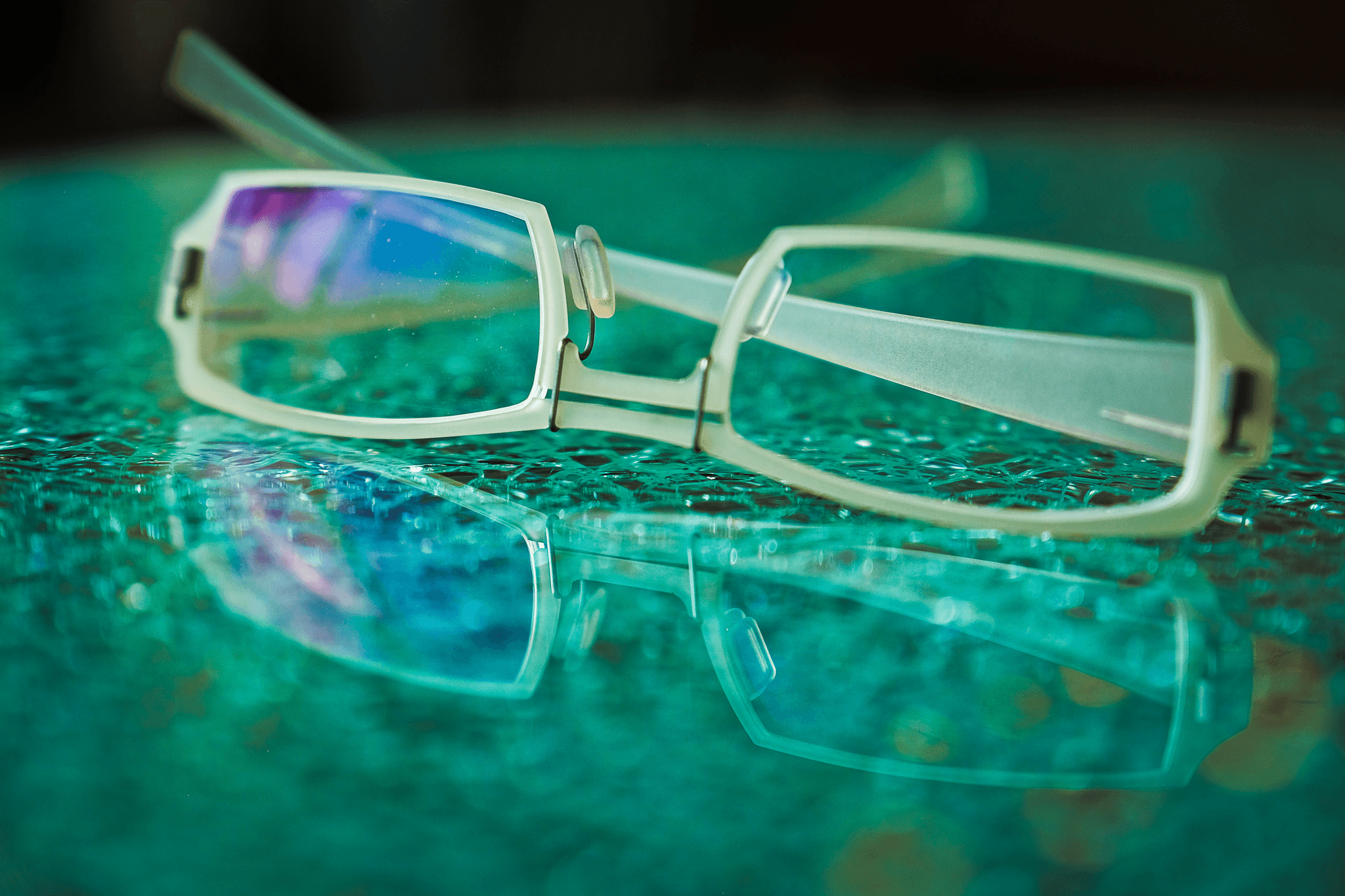
When it comes to the types of glasses lens material, Trivex stands out as a remarkable option, especially for those who lead active lifestyles. This innovative material combines clarity and impact resistance, making it an excellent choice for anyone looking to balance performance with comfort. With its lightweight properties, Trivex lenses on glasses provide a barely-there feel that doesn’t compromise on durability.
Understanding Trivex Lens Material
Trivex lens material is a relative newcomer in the eyewear world, developed to offer superior optical quality while being incredibly lightweight. Unlike traditional glass or even polycarbonate lenses, Trivex is made from a unique polymer that enhances both clarity and strength without adding unnecessary weight. This makes it an appealing choice for those who want stylish eyewear without the burden of heavier materials.
Benefits of Trivex for Active Lifestyles
For individuals who lead active lives—think sports enthusiasts or outdoor adventurers—Trivex lenses are a game changer. Their lightweight nature means you can wear them for extended periods without feeling fatigued, while their impact resistance ensures they can withstand the rigors of daily activity. Additionally, Trivex offers 100% UV protection and is less prone to scratching compared to other types of glasses lens material like standard plastic options.
Comparison with Polycarbonate Lenses
While both Trivex and polycarbonate lenses are celebrated for their durability and lightweight characteristics, there are some distinctions worth noting. Polycarbonate eyeglasses tend to be slightly thinner than their Trivex counterparts but may not offer the same level of optical clarity due to their inherent distortion at higher prescriptions. On the other hand, if you’re seeking superior visual acuity along with impact resistance in your glasses and lenses, Trivex could be your best bet over polycarbonate optics.
Conclusion
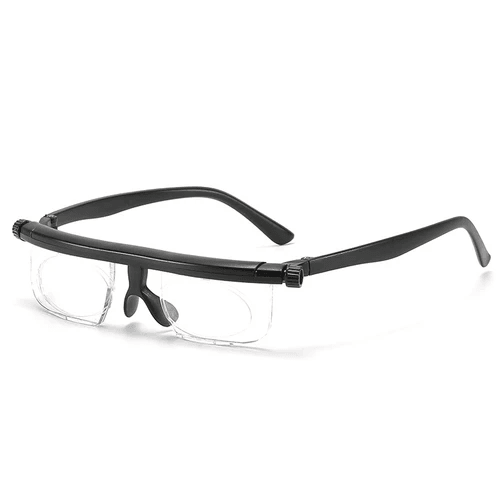
Choosing the right lens material for your eyewear is more than just a matter of aesthetics; it can significantly impact your vision and comfort. Understanding the various types of glasses lens material available—such as polycarbonate lenses, high index lenses, and classic glass—can help you make an informed decision. Each type offers unique benefits tailored to different lifestyles and preferences, ensuring that there’s something for everyone.
Key Takeaways on Lens Material Types
When considering the types of glasses lens material, it’s essential to weigh factors such as durability, weight, and optical clarity. Polycarbonate lenses are renowned for their strength and lightweight nature, making them ideal for active individuals or children. On the other hand, high index lenses provide a stylish option for those needing stronger prescriptions without the bulkiness of traditional materials.
Selecting the Right Lenses on Glasses
Selecting the right lenses on glasses requires evaluating your specific needs and lifestyle. If you lead an active life or require safety eyewear, polycarbonate eyeglasses may be your best bet due to their impact resistance. Conversely, if you prioritize style with a higher prescription strength in mind, high index optical lenses could be just what you need to maintain a sleek profile without compromising vision quality.
Choosing Aisen Optical for Quality Eyewear
At Aisen Optical, we understand that quality matters when it comes to selecting eyewear that suits your lifestyle and vision needs. Our extensive range includes all types of glasses lens material—from robust polycarbonate optics to elegant high index lenses—ensuring that every customer finds their perfect match. Trust us to provide not only exceptional products but also expert guidance in choosing the best options tailored just for you.