
Introduction
These two popular lens materials cater to various needs, but their unique characteristics can significantly impact your visual experience. Whether you're looking for prescription lenses or simply exploring options, knowing about these materials will help you make an informed choice.
What Are Trivex and CR39 Lenses?
Trivex lenses are a modern innovation in eyewear technology, made from a unique polymer that offers superior performance compared to traditional materials like CR39. On the other hand, CR39 lenses are the classic choice that has been widely used in eyeglasses for decades due to their affordability and decent optical quality. Both types of lenses have their own set of advantages and disadvantages, making it essential to compare Trivex vs CR39 in terms of features like weight, durability, and clarity.
Key Differences in Optical Performance
One of the most significant differences between Trivex and CR39 lies in their optical performance. Trivex lenses provide exceptional clarity while being lighter than their CR39 counterparts, which can enhance visual acuity for everyday wearers. Additionally, factors such as refraction and light transmission vary between these lens types, affecting how well they perform under different lighting conditions.
Why Lens Material Matters
The material used in creating your eyeglass lenses plays a vital role not only in comfort but also in safety and durability. While polycarbonate is known for its impact resistance, Trivex takes this a step further with added benefits without compromising on weight or thickness compared to traditional CR39 lenses. Understanding these distinctions helps you appreciate why selecting the right lens material matters significantly when investing in your eyewear.
Overview of Trivex Lenses

Trivex lenses are a remarkable advancement in eyewear technology, offering an intriguing alternative to traditional lens materials like CR39 and polycarbonate. Known for their unique blend of lightweight durability and optical performance, Trivex lenses are becoming increasingly popular among those seeking prescription lenses that don’t compromise on quality. In this section, we will explore the key features that make Trivex a standout choice in the ongoing discussion of Trivex vs CR39.
Lightweight and Durable Features
One of the most appealing aspects of Trivex lenses is their remarkably lightweight nature, which can significantly enhance comfort during all-day wear. Weighing less than traditional CR39 lenses, these optical lenses provide a seamless experience for users who may find heavier glasses cumbersome. Additionally, the durability of Trivex is noteworthy; it combines high tensile strength with resistance to scratches and abrasions, making it an excellent choice for active lifestyles.
Impact Resistance and Safety
This level of protection makes them particularly suitable for sports enthusiasts or anyone working in environments where eye safety is paramount. Unlike polycarbonate options that also boast impact resistance but can sometimes warp under stress, Trivex maintains its shape while providing peace of mind against potential hazards.
Ideal Uses for Trivex Lenses
Trivex lenses are versatile enough to cater to various needs, making them ideal for a range of activities—from everyday wear to specialized applications such as safety goggles or sports eyewear. Their combination of lightweight comfort and robust performance makes them particularly appealing for individuals who require prescription lenses but do not want to sacrifice style or functionality in their eyewear choices. Whether you’re navigating through your daily routine or engaging in outdoor adventures, choosing Trivex can enhance your visual experience without weighing you down.
Understanding CR39 Lenses
The Classic Choice for Eyeglasses
CR39 lenses are often referred to as the classic choice for eyeglasses due to their long-standing reputation in the eyewear industry. Developed in the 1940s, these plastic lenses provide excellent optical clarity and are lightweight compared to glass alternatives. With their proven track record, many people still prefer CR39 over newer options like Trivex or polycarbonate.
Cost-Effective and Accessible
One of the most appealing aspects of CR39 lenses is their cost-effectiveness and accessibility. Compared to other lens materials such as Trivex or polycarbonate, CR39 tends to be more budget-friendly, making it a popular option among consumers looking for quality without breaking the bank. This affordability does not compromise on performance; rather, it makes high-quality eye glass lenses available to a broader audience.
Popularity Among Prescription Lenses
CR39's popularity among prescription lenses can be attributed to its favorable combination of weight, clarity, and cost. Many optometrists recommend these lenses due to their versatility in various frame styles while providing adequate protection against UV rays and scratches when treated properly. As consumers weigh options like Trivex vs CR39, it's clear that CR39 remains a top contender in the market for those seeking reliable eyewear solutions.
Comparing Optical Clarity
When it comes to optical clarity, the choice between Trivex and CR39 lenses can significantly affect your visual experience. Both lens materials have their unique properties that influence how clearly you see the world around you. Understanding these differences is essential for anyone considering prescription lenses for daily wear.
Visual Acuity in Trivex vs CR39
Visual acuity refers to the sharpness of vision, and both Trivex and CR39 lenses offer impressive clarity, but they do so in different ways. Trivex lenses are known for their superior optical performance, providing a wider field of view without distortion, which can be particularly beneficial for those with strong prescriptions. In contrast, while CR39 lenses deliver excellent clarity as well, they may not match the edge-to-edge sharpness that Trivex offers—especially in high prescriptions.
Refraction and Light Transmission
Refraction is a critical factor when comparing optical lenses like Trivex vs CR39, as it determines how light bends when passing through lens material. Trivex has a refractive index of 1.53, which allows it to transmit light efficiently while maintaining lightweight properties—ideal for those seeking comfort without sacrificing optical quality. On the other hand, CR39 has a slightly lower refractive index at 1.50; while it provides good light transmission, it may not perform as well in low-light conditions compared to its Trivex counterpart.
Importance for Everyday Wear
The importance of choosing the right lens material cannot be overstated when considering everyday wear eyewear options like eyeglass lenses made from either Trivex or CR39 materials. For individuals who spend long hours working on screens or engaging in outdoor activities, having optimal visual clarity can make all the difference in comfort and performance throughout their day. Ultimately, whether you lean towards Trivex or CR39 will depend on your specific lifestyle needs and preferences—but rest assured that both options provide solid solutions for prescription lenses.
The Comfort Factor
After all, if your eyewear isn't comfortable, even the best optical lenses won't do you much good. Let's dive into how weight, thickness, frame adaptability, and user experiences play into the comfort factor of these two popular lens materials.
Weight and Thickness Considerations
One of the standout features of Trivex lenses is their lightweight nature compared to CR39 lenses. While both materials offer decent thickness options for various prescriptions, Trivex tends to be lighter without sacrificing durability. This means that for those who wear their prescription lenses all day long—whether they’re reading or working on a computer—Trivex can provide a more comfortable experience by reducing pressure on the nose and ears.
In contrast, CR39 lenses are slightly heavier due to their denser composition, which might not be noticeable at first but can lead to discomfort over extended periods of wear. For individuals who prioritize comfort in their eyeglass lenses, especially in larger frames where weight distribution becomes critical, Trivex often takes the cake in this category. Ultimately, when weighing Trivex vs CR39 in terms of weight and thickness considerations, many users find themselves leaning towards the lighter option for everyday wear.
Adaptability for Different Frames
Another essential aspect of comfort is how well each lens material fits into various frame styles. Trivex's inherent flexibility makes it an excellent choice for a wide range of frame designs—from ultra-thin metal frames to more robust plastic options—allowing for seamless integration without compromising structural integrity. This versatility means that you can enjoy stylish eyewear without worrying about whether your lens material will hold up under different conditions.
Users often find that thicker CR39 lenses can make certain frames feel bulkier or less aesthetically pleasing than intended. When considering adaptability in terms of frame choices between Trivex vs CR39 lenses, it's clear that those seeking fashionable yet functional eyewear may lean toward Trivex as their go-to option.
User Experience with Trivex and CR39
User experiences with both types of eyeglass lenses reveal interesting insights into comfort levels associated with each material. Many people report that wearing Trivex lenses feels almost like wearing nothing at all due to their lightweight properties and superior optical clarity—making them ideal for active lifestyles or extended use during work hours. Additionally, users often cite reduced eye strain when using high-index prescription options made from Trivex compared to traditional CR39 alternatives.
Conversely, while many still appreciate the classic feel and affordability offered by CR39 lenses—especially as budget-friendly prescription options—they sometimes struggle with issues related to weight and thickness over time. Some users have noted discomfort during prolonged wear sessions due to these factors impacting overall fit and feel on their faces. In summary, when comparing user experiences between Trivex vs CR39 glasses across diverse lifestyles and preferences reveals a distinct trend favoring the modernity and comfort provided by Trivex.
Trends in Lens Material
The world of optical lenses is evolving rapidly, with new innovations continually shaping how we think about eyewear. As consumers become more discerning about their choices, the demand for advanced materials like Trivex and CR39 has surged. These trends not only enhance the functionality of prescription lenses but also ensure that style and comfort are not left behind.
Innovations in Eyewear Technology
Eyewear technology has seen remarkable advancements, particularly with the introduction of high-performance materials such as Trivex and polycarbonate. These innovations have led to lighter, thinner, and more impact-resistant lens options that cater to a variety of lifestyles. The competition between Trivex vs CR39 lenses showcases how manufacturers are pushing boundaries to deliver superior optical clarity while ensuring durability.
In addition to material enhancements, features like anti-reflective coatings and blue light filtering have become standard offerings in modern eyeglass lenses. This means that today's consumers can enjoy clearer vision without the strain typically associated with prolonged screen time. As technology continues to advance, we can expect even more options tailored specifically for individual vision needs.
Aisen Optical’s Role in the Market
Aisen Optical has emerged as a key player in the lens market by focusing on quality and innovation in both Trivex and CR39 offerings. Their commitment to developing cutting-edge eyewear solutions has made them a go-to brand for those seeking reliable prescription lenses without compromising on style or performance. By investing in research and development, Aisen Optical is paving the way for future advancements that will redefine what we expect from eye glass lenses.
Their products not only highlight the benefits of lightweight materials but also emphasize safety features such as impact resistance—an essential aspect when comparing Trivex vs CR39 options. Aisen’s dedication to enhancing user experience ensures that customers find exactly what they need whether they prefer classic CR39 or modern Trivex lenses.
Future of Trivex and CR39 Lenses
Looking ahead, it’s clear that both Trivex and CR39 will continue to play significant roles in the eyewear landscape despite emerging competitors like polycarbonate materials. The unique advantages offered by each lens type mean they will always have their place among consumers looking for specific benefits—be it cost-effectiveness or superior optical performance. As trends shift toward personalization, we may see even more tailored solutions within these established categories.
The future also holds promise for integrating smart technology into traditional lens designs, potentially transforming how we interact with our eyewear altogether. Imagine prescription lenses equipped with augmented reality capabilities while maintaining all the advantages of lightweight materials! With ongoing research into advanced coatings and treatments alongside these foundational lens types, it’s an exciting time for anyone considering new eye glass lenses.
Conclusion
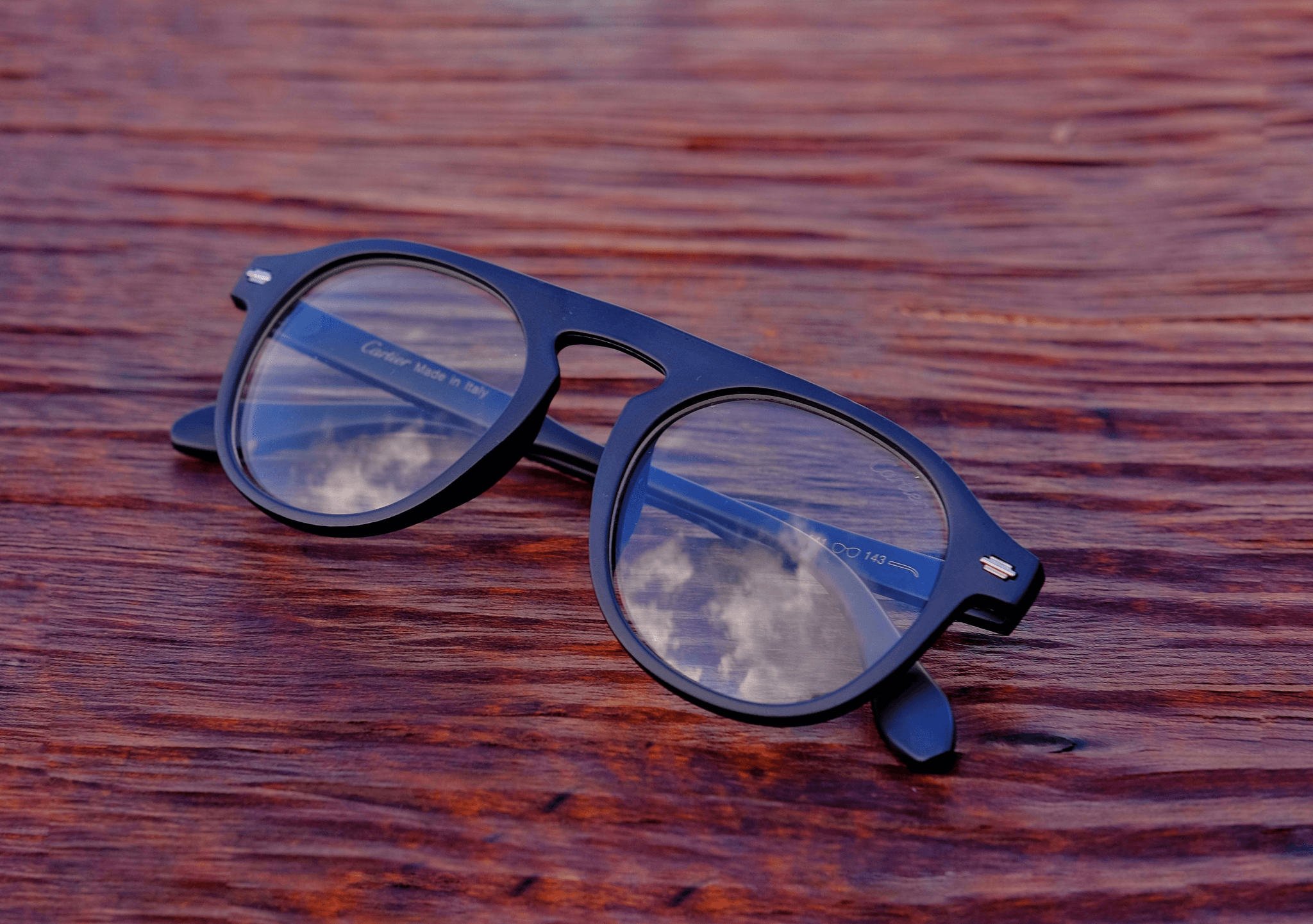
Choosing the right eyewear can feel like navigating a maze, especially with so many options available. When considering trivex vs CR39 lenses, it's essential to weigh the specific needs of your lifestyle and vision requirements. Each lens material offers unique benefits, making it crucial to understand how they align with your daily activities.
Making the Right Choice for Eyewear
When selecting between trivex and CR39 lenses, think about what you value most in optical performance and comfort. Trivex lenses are known for their lightweight and impact-resistant features, making them ideal for active lifestyles or those who prioritize safety. On the other hand, CR39 lenses offer a classic choice that combines affordability with decent optical clarity, perfect for everyday wearers.
Balancing Quality, Cost, and Style
Quality doesn't always have to break the bank; finding a balance between cost and style is vital when choosing prescription lenses. While trivex lenses may come at a premium due to their advanced properties, they often outshine in durability and comfort compared to standard CR39 options. Ultimately, assessing your budget alongside your style preferences will help you make an informed decision that doesn’t compromise on quality.
Trivex vs CR39: Which Fits You?
Deciding between trivex vs CR39 requires some self-reflection on how you plan to use your eyewear daily. If you're someone who values lightweight comfort and safety—especially if you're involved in sports or outdoor activities—trivex might be your go-to choice. Conversely, if affordability is key and you’re looking for reliable eye glass lenses without frills, then CR39 could be just what you need.