
Introduction

Why Golf Sunglasses Matter
Golf sunglasses are not just a fashion statement; they play a crucial role in performance on the course. With varying light conditions throughout the day, having the right eyewear can help you maintain focus and clarity as you line up your shots. By blocking out harmful rays and enhancing visual acuity, good golf sunglasses are essential for any player looking to elevate their game.
The Role of Lens Tint in Performance
One of the most critical aspects of golf sunglasses is lens tint, which directly affects how you perceive colors and contrasts on the green. Different tints can either enhance or hinder your ability to see subtle changes in terrain or ball movement, influencing your overall performance. Understanding which tint offers the best advantages will help you choose not just any pair but truly the best tint for golf sunglasses tailored to your playing style.
Overview of Tint Options
With an array of lens tints available—from grey and green to yellow and amber—selecting the right option can be overwhelming yet essential for optimal performance on sunny days. Each tint serves a unique purpose; for instance, grey lenses reduce brightness without distorting colors while yellow lenses increase contrast in low-light conditions. As we delve deeper into this guide, we'll explore these options more thoroughly to help you find not only good golf sunglasses but also those that suit your specific needs perfectly.
The Science Behind Lens Tints

Different tints can enhance or hinder your vision, affecting everything from reading greens to tracking your ball's flight path. Understanding how these tints work is essential for choosing the best golf shades that will elevate your game.
How Different Tints Affect Vision
The best tint for golf sunglasses varies depending on personal preference and environmental conditions. For instance, grey and green tints are known for their ability to provide true color perception while reducing overall brightness, making them popular choices among golfers. On the other hand, red lens sunglasses can amplify contrast in certain light conditions, offering a unique perspective that may benefit some players.
Additionally, lighter tints like yellow or amber can enhance depth perception and improve visibility in low-light conditions—perfect for those early morning rounds or overcast days. It's fascinating how something as simple as lens color can significantly impact your visual experience during a game of golf. Ultimately, finding good golf sunglasses with the right tint will help you see the course more clearly and play better.
The Importance of Contrast in Golf
A lens tint that enhances contrast allows players to distinguish between different surfaces—like fairways and roughs—more easily, which is vital for making strategic decisions on the course. Choosing the best golf sunglasses with optimal contrast-enhancing properties can give you an edge over competitors who might struggle with visibility.
For example, yellow and amber lenses excel at increasing contrast in varying light conditions by filtering out blue light wavelengths that tend to wash out details on the course. This improvement in visual clarity helps golfers identify subtle slopes on greens or changes in terrain that could affect their shots significantly. So when selecting sunglasses and golf gear, remember that contrast-enhancing tints are not just a luxury; they’re an essential part of serious gameplay.
Choosing Between Polarized and Non-Polarized
Polarized lenses reduce glare from reflective surfaces like water hazards or sand traps by blocking horizontal light waves—ideal when you're trying to focus on where you're hitting that next shot! However, some golfers prefer non-polarized options as they maintain true color perception without any distortion.
Another factor to consider is whether you often play under bright sunlight or if you find yourself frequently adjusting your stance near water features; if so, polarized lenses might be worth investing in for enhanced clarity during those moments of need. Ultimately, whether you choose polarized or non-polarized lenses should align with your playing style and environment—but rest assured knowing both options have their merits when searching for good golf sunglasses!
Exploring the Best Tint for Golf Sunglasses
Analyzing Top Tint Recommendations
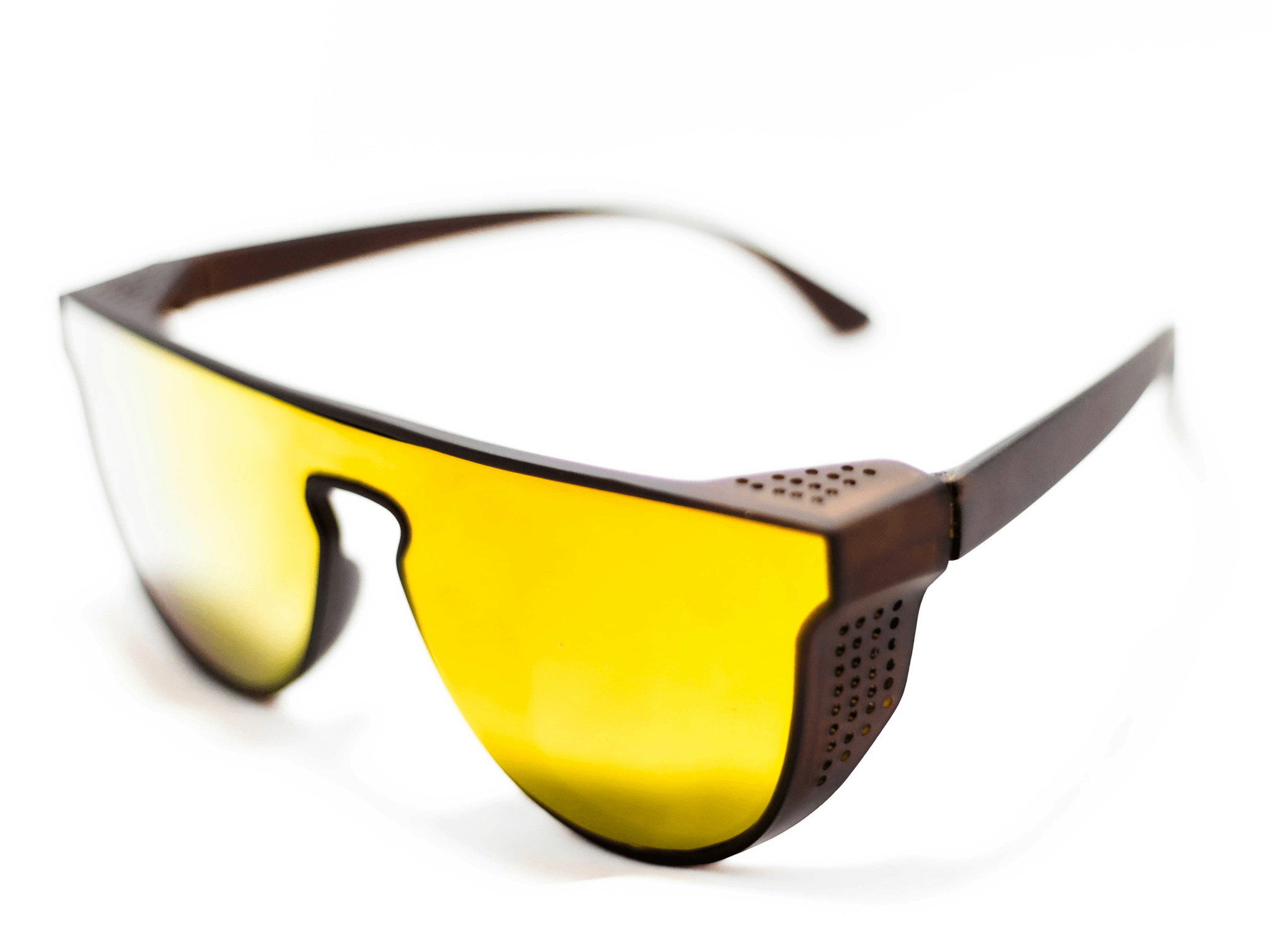
For golfers seeking optimal performance, certain tints have proven to be more effective than others. Grey and green tints are often recommended as they provide true color perception and reduce glare without distorting natural hues on the course. On the other hand, yellow and amber tints excel in low-light conditions by enhancing contrast and depth perception—perfect for those early morning tee times or overcast days.
When evaluating the best golf sunglasses, consider how different tints interact with varying weather conditions. For bright sunny days, grey lenses are a popular choice among players because they offer excellent light reduction while maintaining color accuracy. In contrast, if you find yourself playing during twilight hours or in foggy conditions, yellow lenses may become your go-to option due to their ability to brighten up your surroundings.
Benefits of Grey and Green Tints
Grey and green tints stand out as two of the most versatile options for golf sunglasses enthusiasts. These shades not only protect against harmful UV rays but also provide a balanced view of the course’s landscape without altering color perception—essential for spotting subtle breaks on greens or distinguishing between different types of grass. Additionally, grey tints are particularly effective at reducing overall brightness while preserving visual clarity.
Green lenses offer similar benefits but with an added advantage: they enhance contrast between objects in your line of sight—like finding that elusive golf ball nestled among blades of grass! This increased contrast can mean the difference between a solid shot from the fairway or an unfortunate mishit from an awkward lie. If you’re serious about improving your game, investing in good golf sunglasses with grey or green tints is certainly worth considering.
Why Yellow and Amber Tints Shine
Yellow and amber tints might not be everyone’s first pick when searching for the best golf shades, but these colors truly shine under specific circumstances. Their primary advantage lies in their ability to boost contrast significantly; this feature allows players to see contours on greens and fairways more clearly—even when visibility isn’t ideal due to cloud cover or low light conditions.
Moreover, these vibrant lens colors filter out blue light—a common culprit behind visual fatigue—making them perfect companions during long rounds on challenging courses where focus is paramount. Many golfers swear by red lens sunglasses as well; while less common than yellow or amber options, they can amplify depth perception even further if you’re looking for that extra edge on tricky shots.
In summary, choosing the right tint is essential when shopping for quality golf sunglasses that will elevate your performance on the course. Whether you opt for classic grey/green tones or experiment with eye-catching yellows/ambers depends largely on personal preference and playing conditions—but knowing their benefits puts you one step closer to finding your ideal pair!
Best Golf Sunglasses for Every Player
Highlighting Popular Brands
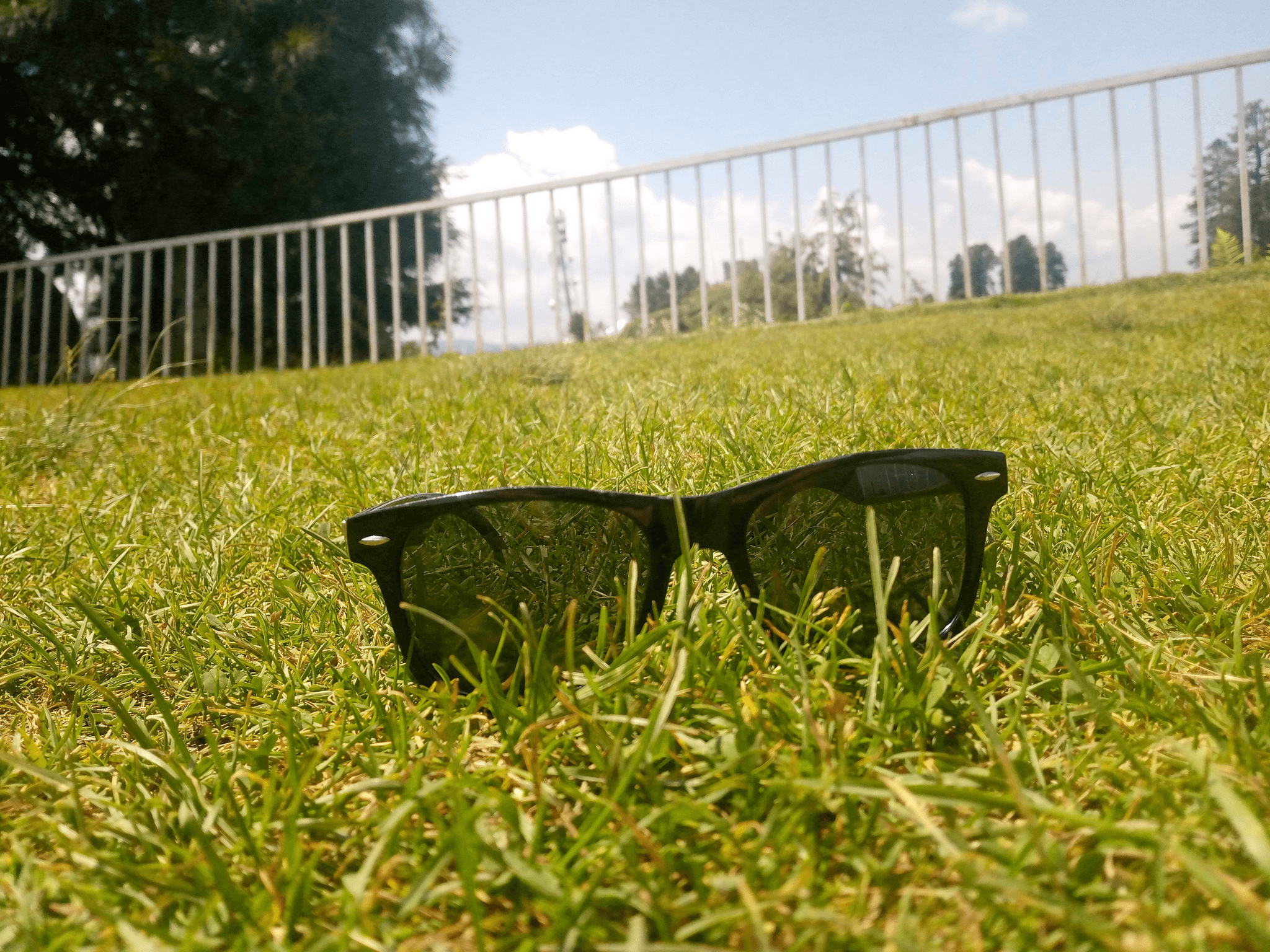
Several brands have established themselves as leaders in the world of golf sunglasses. Names like Oakley, Ray-Ban, and Nike consistently deliver high-quality eyewear that meets the needs of golfers at all levels. Each brand offers unique features tailored to enhance visibility on the course, making them contenders for your next pair of good golf sunglasses.
For instance, Oakley is renowned for its innovative lens technology that reduces glare while enhancing contrast—perfect for spotting those tricky breaks on greens. Ray-Ban combines timeless style with performance features that appeal to both casual players and serious competitors alike. Meanwhile, Nike’s sporty designs often incorporate lightweight materials and advanced UV protection, ensuring comfort during long rounds.
Aisen Optical: A Stylish Option
If you're looking for something a bit different from mainstream brands, Aisen Optical might just be your new favorite find in golf sunglasses. Known for their stylish designs and effective lens options, they cater to players who want both performance and aesthetic appeal on the course. Their frames are often lightweight yet durable—ideal for those who prioritize comfort without sacrificing flair.
Aisen Optical also offers various tints that enhance vision during play; their lenses are particularly well-regarded among golfers seeking clarity and reduced glare under bright sunlight conditions. Plus, with stylish color options available—including red lens sunglasses—you can express your personality while maintaining focus on your game. This combination makes them a strong contender when searching for the best golf shades.
Comparing Price and Quality
Finding good golf sunglasses doesn't always mean breaking the bank; there are plenty of affordable options that still offer excellent quality and performance features. When comparing price points across different brands like Oakley or Aisen Optical, it's essential to consider what you're getting in terms of technology and durability alongside cost.
While some may argue that premium brands justify their price tags through superior lens technology or frame materials, many budget-friendly options also provide solid performance without compromising too much on quality. By reading reviews of the best rated golf sunglasses available today—focusing on customer feedback regarding durability and effectiveness—you can make an informed decision based on value rather than just brand name alone.
Reviews of the Best Rated Golf Sunglasses

When it comes to finding the best golf sunglasses, customer feedback can be a treasure trove of insights. Many golfers rave about specific models that not only enhance their game but also provide comfort and style on the course. From lightweight frames to effective lens tints, the best rated golf sunglasses often come with glowing reviews highlighting their performance during play.
Customer Favorites and Feedback
Among the crowd-pleasers in golf eyewear, brands like Oakley and Maui Jim consistently receive high praise for their innovative designs and functionality. Customers frequently mention how these sunglasses improve visibility on sunny days, allowing them to track the ball more effectively. Additionally, many users appreciate features like adjustable nose pads and anti-slip grips that ensure good golf sunglasses stay put during swings.
Another popular choice is the Under Armour brand, known for its sporty aesthetics and durability. Golfers love how these shades combine style with performance-enhancing tints that reduce glare without compromising clarity. With numerous testimonials praising both comfort and visual acuity, it’s clear that customer favorites are paving the way for future innovations in sunglasses and golf.
Performance Features to Look For
When scouring for the best golf shades, there are several performance features you should keep an eye out for to ensure you’re making a wise investment. First off, look for polarized lenses; they significantly reduce glare from reflective surfaces like water hazards or shiny fairways—essentially making your game smoother than a perfect putt!
Next up is lens tint; while grey and green tints are often recommended as the best tint for golf sunglasses due to their ability to enhance contrast without distorting colors, yellow or amber lenses can also provide excellent depth perception in low-light conditions. Finally, consider frame weight—lightweight frames will keep you comfortable throughout your round while ensuring you don’t feel weighed down by your gear.
The Impact of Lens Technology on Performance
Lens technology plays a pivotal role in determining how well your shades will perform on the course. Advanced coatings such as anti-reflective treatments help minimize distractions by reducing glare off surfaces like clubheads or wet grass—crucial when lining up that important shot!
Moreover, some brands incorporate photochromic lenses that adjust automatically based on light conditions; this means less hassle switching between different pairs of sunglasses depending on whether you're under bright sunlight or shaded areas of trees. This adaptability makes them some of the best rated golf sunglasses available today!
In summary, investing in good golf sunglasses equipped with cutting-edge lens technology not only enhances your vision but also elevates your overall golfing experience. Whether you opt for red lens sunglasses or stick with classic options like grey tints, understanding what features matter most will ultimately lead you to find your perfect pair.
The Essential Features of Good Golf Sunglasses
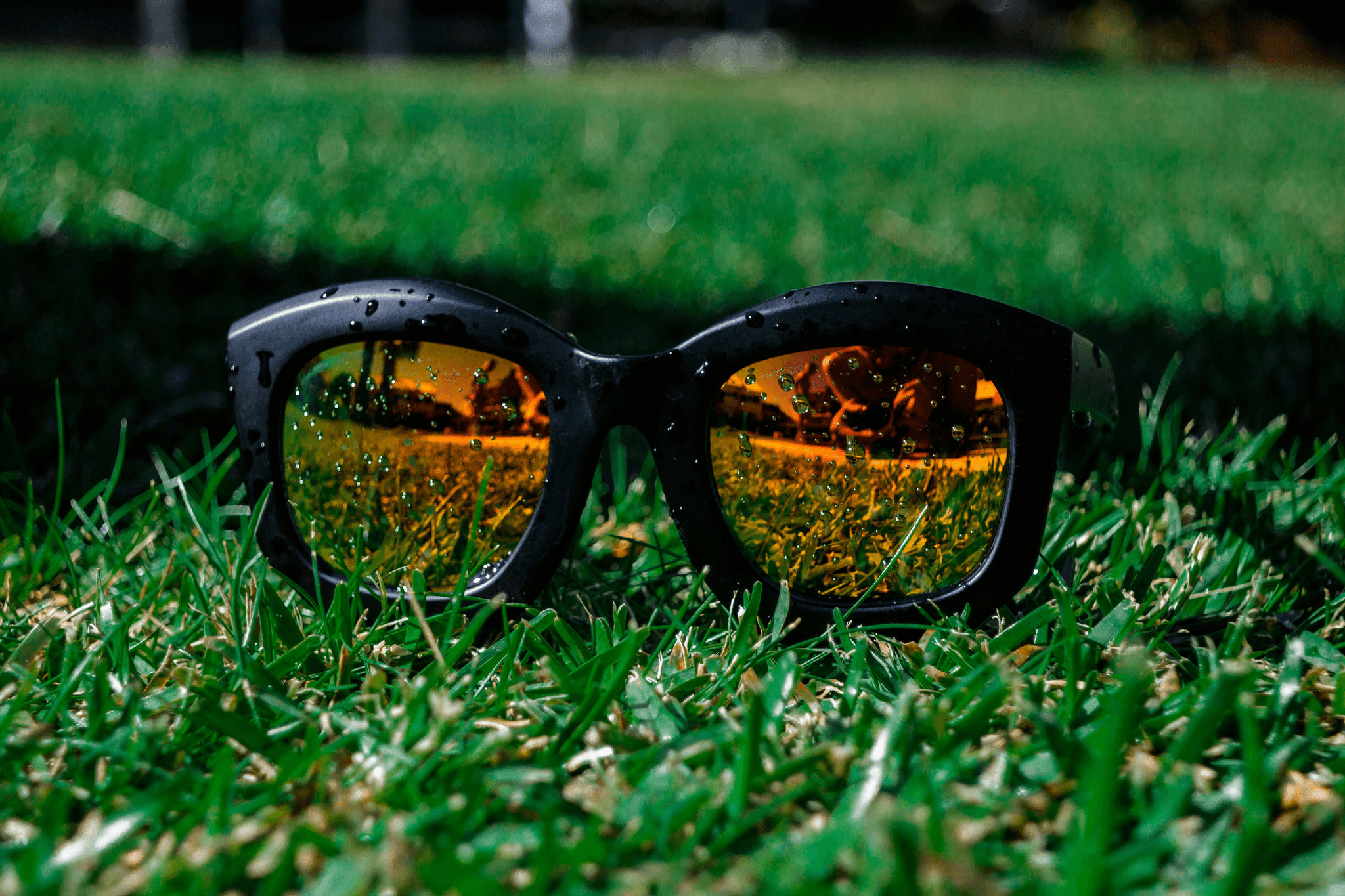
When it comes to golf sunglasses, not all shades are created equal. The best golf sunglasses combine style and functionality, ensuring you look good while enhancing your game. To find the best tint for golf sunglasses that suits your needs, you need to consider several essential features.
Lightweight Frames for Comfort
Comfort is key when you're out on the course, swinging clubs and walking miles. Good golf sunglasses should have lightweight frames that won’t weigh you down or cause discomfort during a long day of play. Whether you're sporting aviators or wraparounds, a comfortable fit ensures that you can focus on your game rather than adjusting your shades.
Anti-Reflective Coatings Explained
The sun can be relentless on the golf course, making anti-reflective coatings a must-have feature in quality sunglasses and golf gear. These coatings reduce glare from sunlight bouncing off surfaces like water hazards and fairways, providing clearer vision as you line up that crucial putt. With less distraction from reflections, you'll be able to zero in on your target—making it easier to choose the best tint for golf sunglasses based on your playing conditions.
The Importance of UV Protection
When selecting the best rated golf sunglasses, don't overlook UV protection; it's an absolute necessity! Sunglasses designed specifically for golfing should block 100% of UVA and UVB rays to protect your eyes from harmful sunlight exposure during long rounds under the sun. Investing in good golf sunglasses with adequate UV protection not only safeguards your vision but also enhances overall performance by allowing you to see clearly without squinting.
Conclusion
In the world of golf, having the right equipment can make all the difference, and this includes your sunglasses. Finding your perfect pair of golf shades is not just about style; it's about enhancing your performance on the course. With so many options available, you can choose from various tints, styles, and technologies to suit your needs.
Finding Your Perfect Pair of Golf Shades
When searching for good golf sunglasses, consider factors like fit, comfort, and lens technology. The best golf sunglasses should feel lightweight on your face while providing optimal protection against UV rays and glare. Don't forget to try on different styles to see which ones make you feel like a pro when you're out there swinging away!
The Best Tint for Your Game
Selecting the best tint for golf sunglasses can significantly impact how well you see the course and read greens. Grey and green tints are popular choices among golfers because they offer true color perception and reduce glare without distorting natural colors. However, don’t overlook yellow or amber tints; they can enhance contrast in low-light conditions—perfect for those early morning tee times!
Investing in Quality Golf Sunglasses
Investing in quality golf sunglasses is essential if you're serious about improving your game. While it may be tempting to go for cheaper options, remember that good golf sunglasses will provide better durability, comfort, and lens technology that enhances visual clarity on the course. So whether you opt for red lens sunglasses or a classic grey tint, make sure you're choosing a pair that meets both your style preferences and performance needs.