
Introduction
Choosing the right eyewear can feel like navigating a maze, especially with the myriad of materials available. Among these options, acetate and plastic frames stand out for their unique characteristics and style appeal. Understanding the distinctions between acetate sunglasses and other frame materials is essential for making an informed decision that suits your needs.
Understanding Acetate and Plastic Frames
Acetate is a plant-based plastic that offers both flexibility and durability, making it a popular choice for eyewear. In contrast, traditional plastic frames can vary widely in composition, often lacking the aesthetic appeal that acetate provides. By diving into the world of acetate vs plastic glasses, we can uncover the advantages each material brings to the table.
Why Frame Material Matters
The material of your frames can significantly affect comfort, style, and longevity. For instance, while acetate sunglasses are known for their vibrant colors and patterns, plastic frames may offer greater affordability but lack distinctive flair. Ultimately, understanding these differences helps you choose frames that not only look good but also feel great on your face.
A Brief Overview of Popular Options
In today's market, you'll encounter various frame materials beyond just acetate and plastic; metal frames are another common contender. Each option has its pros and cons—like acetate vs metal frames—where aesthetics might clash with functionality or price points. Additionally, exploring innovations such as TR90 vs acetate highlights how advancements in eyewear technology continue to shape our choices.
What is Acetate?
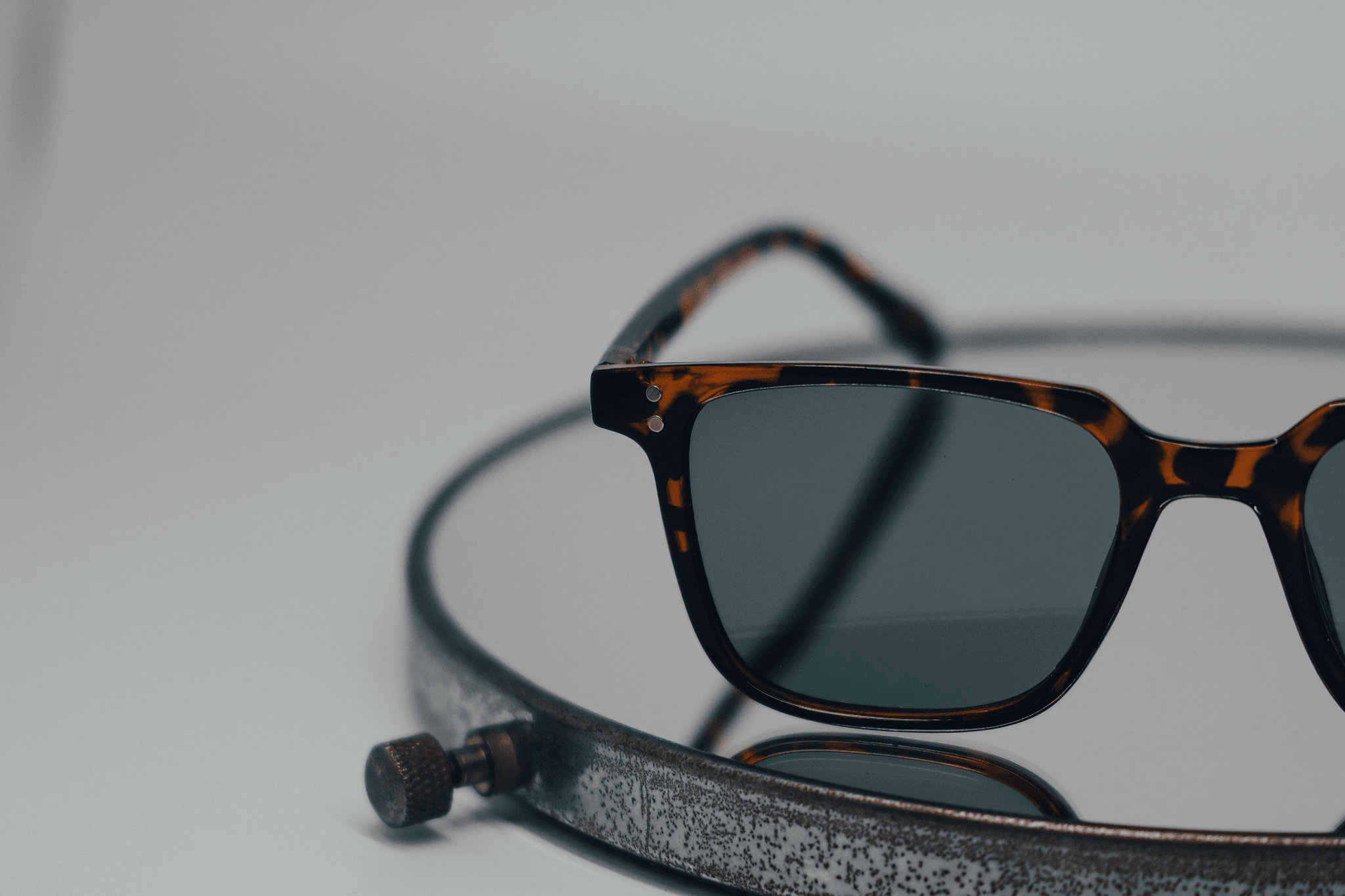
Acetate is a popular material in the eyewear industry, known for its unique blend of style and functionality. Often confused with standard plastics, acetate possesses distinct characteristics that make it a go-to choice for fashion-forward individuals. Understanding what acetate is can help you appreciate why it stands out among other frame materials.
Composition and Characteristics
Acetate is derived from cellulose, a natural polymer sourced from plants, making it more environmentally friendly than many synthetic plastics. This composition gives acetate frames their signature lightweight feel while maintaining durability and flexibility—qualities that are essential for comfort in eyewear. Additionally, acetate can be produced in a wide range of colors and patterns, allowing for creative designs that cater to diverse fashion tastes.
Acetate Sunglasses: A Fashion Statement
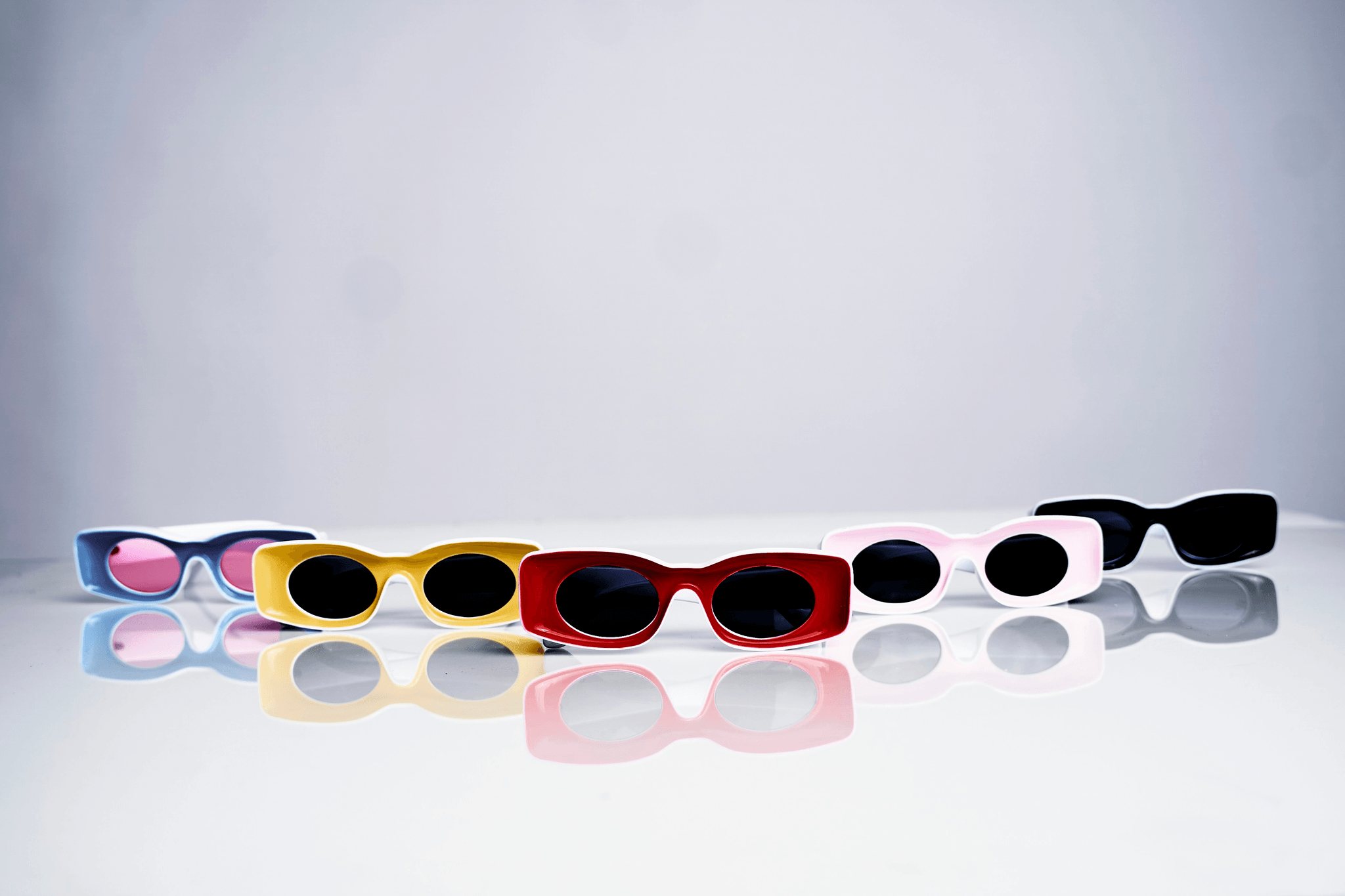
Acetate sunglasses combine bold colors with intricate patterns, often becoming the centerpiece of an outfit rather than just an accessory. With celebrities frequently spotted sporting stylish acetate frames, it's no wonder they have become synonymous with high-end fashion.
Acetate vs Metal Frames: Pros and Cons
When comparing acetate vs metal frames, both materials have their merits but cater to different preferences and styles. Acetate frames offer a broader range of colors and designs while being lightweight and comfortable on the face; however, they may not be as robust as metal options in terms of longevity. On the flip side, metal frames tend to provide a sleeker look and greater durability but can sometimes lack the vibrant aesthetic that makes acetate so appealing.
The Nature of Plastic Frames
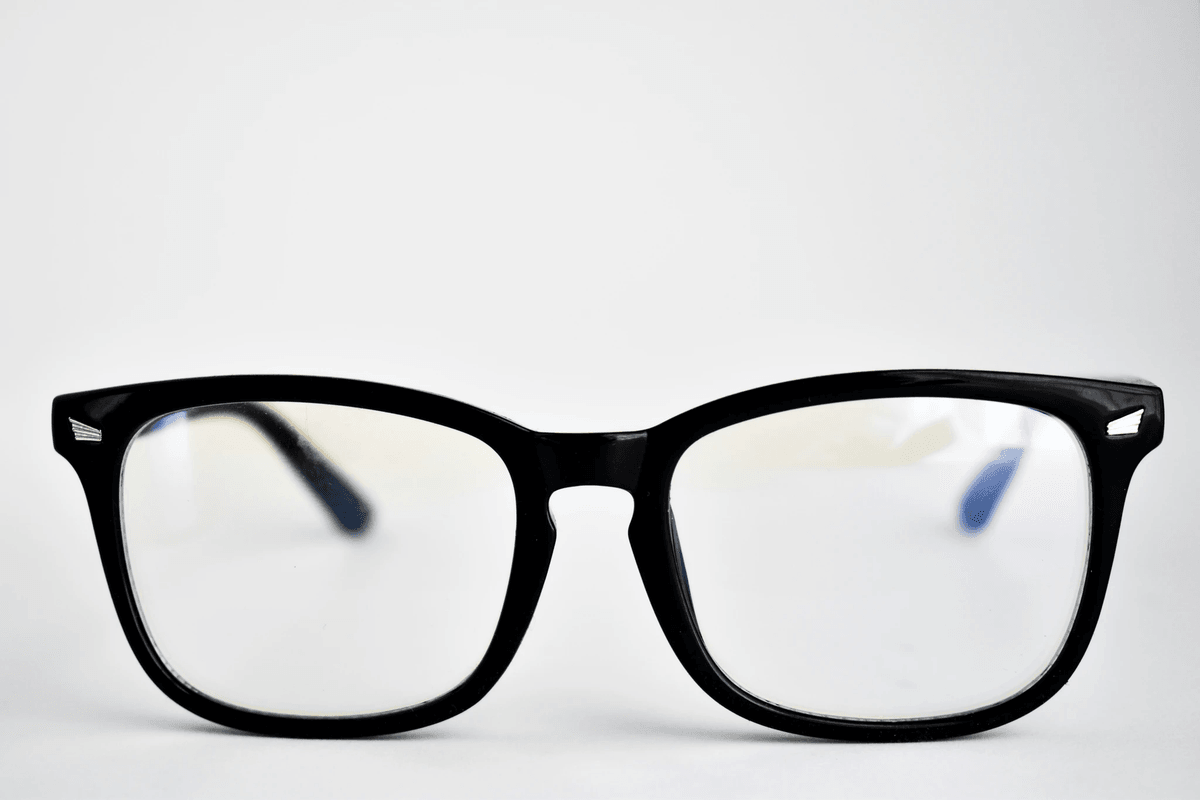
They come in a variety of styles and colors, making them appealing for different tastes and occasions. However, not all plastics are created equal, and understanding the common types can help you make an informed decision.
Common Types of Plastic Used
The most common types of plastic used in eyewear frames include polycarbonate, nylon, and TR90. Polycarbonate is known for its high impact resistance, making it ideal for sports or active lifestyles. Nylon offers flexibility and lightweight comfort, while TR90 stands out for its durability and memory properties—perfect for those who want their frames to withstand daily wear without losing shape.
Durability and Flexibility of Plastic
Plastic frames are celebrated for their durability; they can endure bumps and drops that would leave metal frames dented or scratched. Their inherent flexibility allows them to bend without breaking, which is especially beneficial for kids’ glasses or those prone to mishaps. However, when comparing acetate vs plastic glasses, it's essential to consider that while acetate provides a premium feel with its rich colors and patterns, certain plastics like TR90 also offer impressive resilience.
Tr90 vs Acetate: Key Differences
When diving into the debate of TR90 vs acetate, the differences become clear in terms of weight, comfort, and aesthetic appeal. Acetate sunglasses often boast vibrant hues and stylish designs that make them a fashion statement on their own—ideal if you're looking to turn heads! On the other hand, TR90 is lighter than acetate but may lack the same level of design sophistication; however, it compensates with unparalleled flexibility that makes it perfect for active lifestyles.
Comfort and Fit
How Acetate Conforms to the Face
One of the standout features of acetate is its ability to conform to the contours of your face over time. This flexibility allows acetate frames to adapt, providing a snug fit without pinching or discomfort, making them an excellent choice for all-day wear. Unlike metal frames that can feel rigid and unforgiving, acetate's warm touch and lightweight nature make it feel more like a natural extension of your style.
Plastic Frame Weight and Wearability
Plastic frames come with their own set of advantages when it comes to weight and wearability. Generally lighter than metal options, plastic eyeglasses offer ease during extended use—ideal for those who may forget they’re even wearing them! However, while some plastics may be lightweight, they can also lack the durability that acetate sunglasses provide; thus it's essential to consider what you're prioritizing in terms of comfort versus robustness.
Adjustability of Acetate vs Plastic Glasses
When comparing adjustability between acetate vs plastic glasses, there are notable differences worth mentioning. Acetate is more malleable when heated by professionals; this means if you have specific fitting needs or want a custom look, they can be tailored accordingly without compromising aesthetics. On the other hand, many plastic frames lack this flexibility altogether; once molded into shape during production, they often remain static—making it crucial to find the right fit from the get-go.
Sustainability Considerations
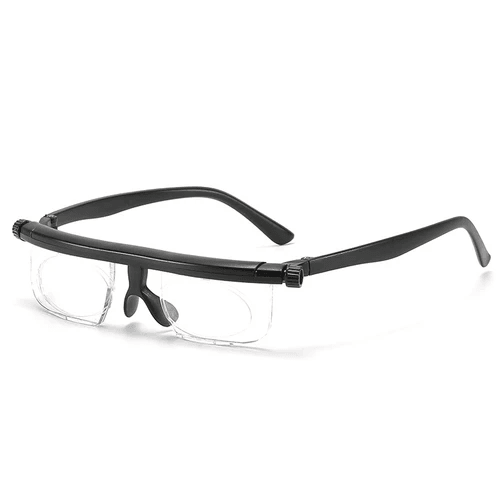
When it comes to sustainability, the materials used in eyewear can have a significant impact on the environment. Both acetate and plastic frames present unique challenges and opportunities regarding their ecological footprints. Understanding these implications is crucial for consumers who want to make responsible choices in their eyewear selections.
Environmental Impact of Acetate
Acetate is often touted as a more eco-friendly alternative to traditional plastics, primarily because it is derived from natural cellulose fibers, which are sourced from wood pulp. This means that acetate sunglasses can be biodegradable under the right conditions, reducing their long-term environmental impact compared to conventional plastic frames that can persist in landfills for centuries. However, it's essential to note that not all acetate products are created equal; some may still undergo chemical treatments that could negate their environmental benefits.
Plastic Waste and Recycling Challenges
Plastic frames present a significant challenge in terms of waste management and recycling. Unlike acetate, many common plastics used in eyewear are not easily recyclable due to their composition and the presence of mixed materials like metal or rubber components. This results in a considerable amount of discarded plastic frames ending up in landfills each year, contributing to the global plastic crisis while raising questions about the sustainability of options like TR90 vs acetate when considering long-term eco-friendliness.
The Future of Eco-Friendly Eyewear
The future of eco-friendly eyewear looks promising as brands increasingly focus on sustainable practices and materials. Innovations such as bio-based plastics and recycled materials are emerging as viable alternatives for both acetate and plastic glasses, allowing consumers to enjoy stylish options without compromising their environmental values. As awareness grows around issues like plastic waste and sustainable sourcing, we can expect brands to innovate further—making it easier than ever for those seeking stylish yet responsible choices like acetate vs metal frames or TR90 vs acetate.
Price and Value Comparison

When it comes to choosing between acetate and plastic frames, price is often a significant factor. Acetate glasses typically come with a higher price tag due to their manufacturing process and material quality. However, the cost of acetate sunglasses can be justified by their durability, style, and comfort compared to cheaper plastic alternatives.
Cost Factors in Acetate vs Plastic Glasses
Acetate frames are crafted from a more complex material that requires skilled craftsmanship, which contributes to their higher cost. In contrast, standard plastic frames are often mass-produced using simpler processes, making them more affordable but sometimes less durable. When considering acetate vs plastic glasses, it's essential to weigh the initial investment against long-term benefits like longevity and style.
Long-Term Investment in Quality Frames
Investing in quality frames like acetate is akin to buying a well-tailored suit; it may cost more upfront but pays dividends over time. Acetate sunglasses not only offer superior aesthetics but also tend to withstand wear better than many plastic options. This durability means you might save money in the long run by avoiding frequent replacements—something worth considering when evaluating acetate vs metal frames or even tr90 vs acetate.
Aisen Optical: Affordable Customization Options
At Aisen Optical, finding the right pair of glasses doesn't have to break the bank; they offer affordable customization options for both acetate and plastic frames. With choices available that cater to various budgets without compromising on quality or style, you can enjoy personalized eyewear tailored just for you. Whether you're leaning towards chic acetate sunglasses or lightweight plastic designs, Aisen Optical makes it easy to find your perfect fit without overspending.
- OEM & ODM Expertise - Custom Designs, Your Brand ldentity
- Low MOQ - ldeal for Startups & Small Businesses
- Stringent Quality Control - Multiple Inspections, Guaranteed Excellence
- Payment Term Support -- For long-term strategic partners to expand business
- One-Stop Solution - From Concept to Market
Conclusion
In the world of eyewear, choosing the right frames is more than just a fashion statement; it's about comfort, durability, and personal style. With options like acetate and plastic glasses available, understanding their unique attributes can help you make an informed decision. Whether you're drawn to the sleek look of acetate sunglasses or the lightweight nature of plastic frames, finding what suits your lifestyle is key.
Choosing the Right Frames for You
Acetate frames are often celebrated for their stylish designs and ability to conform to your face over time, while plastic frames may offer a lighter feel and greater flexibility. Ultimately, your choice should reflect not only aesthetics but also how well these materials fit into your life.
The Role of Aisen Optical in Frame Selection
Aisen Optical stands out as a go-to destination for those navigating the world of eyewear options like acetate sunglasses or plastic frames. They offer a personalized approach to frame selection that caters to individual tastes and needs, ensuring that you leave with glasses that feel just right. By providing affordable customization options and expert guidance on acetate vs metal frames or tr90 vs acetate comparisons, Aisen Optical simplifies the process of finding your perfect pair.
Final Thoughts on Acetate and Plastic Options
In conclusion, both acetate and plastic options have their own merits worth considering in your quest for stylish eyewear. While acetate provides a fashionable flair with its vibrant colors and patterns, plastic frames bring versatility and resilience to the table. Understanding these differences can empower you to choose wisely when investing in quality eyewear that complements both your look and lifestyle.